
Potential Last Named Storm of the 2024 Atlantic Hurricane Season
City: Miami
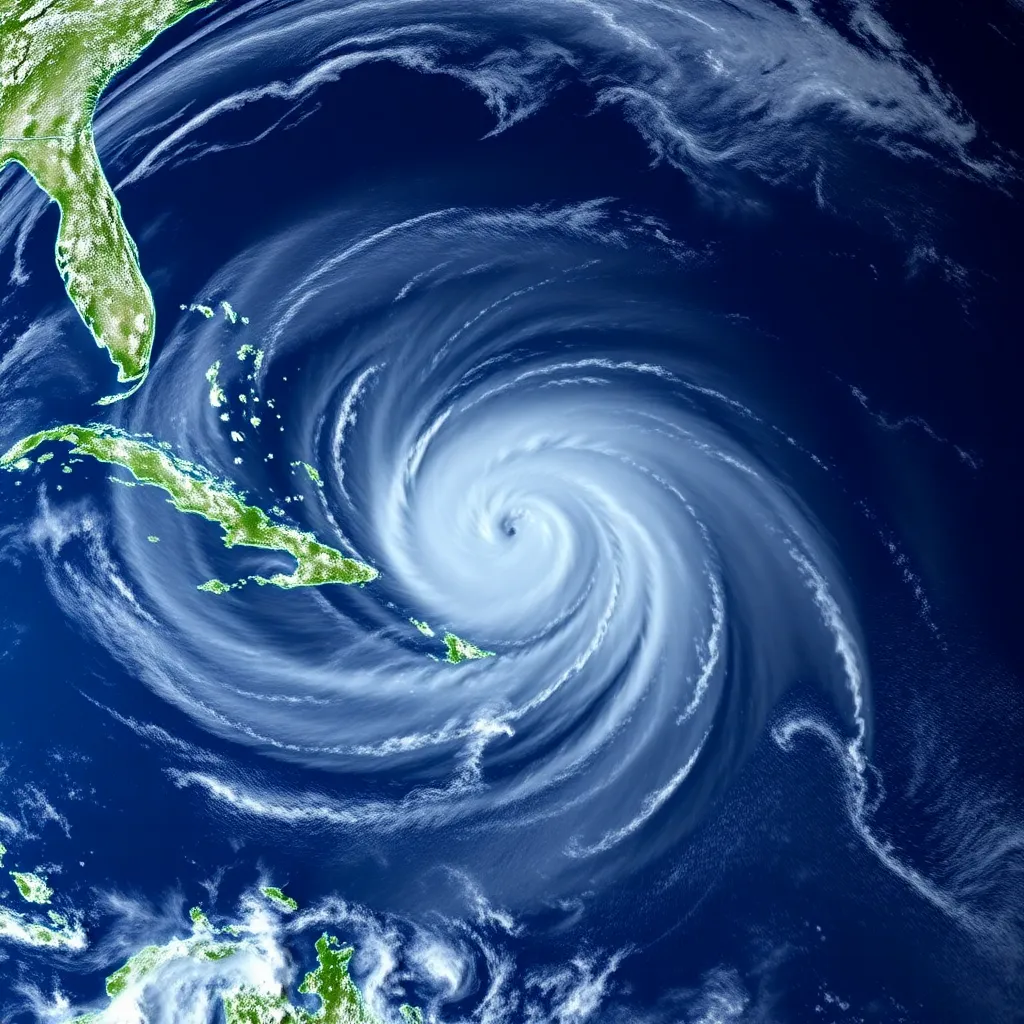
The Atlantic hurricane season is nearing its end, with the official date set for November 30. However, as we reach the final stretch, meteorologists are keeping a close eye on the weather patterns. There’s a good chance that we may see one more named storm develop, particularly in the western Caribbean.
The National Hurricane Center has forecasted a 40 percent likelihood that a new storm will form in the upcoming week. While November typically only accounts for about 6 percent of the average Atlantic hurricane activity, history shows that it’s not unusual for storms to pop up at this late stage of the season.
What’s Happening in the Western Caribbean?
The focus is primarily on the western Caribbean Sea. The weather conditions in this region are being closely monitored, as they may serve as the breeding ground for a new storm system. Forecasters have noted that the conditions appear favorable for development, leading to the increased odds of a named storm.
As of now, it remains unclear how intense this potential storm could become. However, it’s essential to remember that even less powerful storms can pose significant risks, including heavy rainfall, strong winds, and flooding in coastal areas. Residents in vulnerable regions should remain vigilant as the situation develops.
Historical Context
November is generally a quieter month in terms of hurricane activity. The majority of hurricanes are actually seen in the peak months of August and September. However, there have been notable storms that have occurred late in the season. For instance, Hurricane Kate in 1985 and Hurricane Lenny in 1999 were both significant storms that formed in November.
While the chances of a storm forming at this time of year are statistically lower, meteorologists warn against complacency. Conditions such as warmer ocean temperatures and atmospheric disturbances can lead to late-season storms. Therefore, residents that could be affected by a developing storm should remain prepared and informed.
Preparedness Tips
In light of the potential for a new storm, it is crucial for residents in coastal areas to review their emergency plans. Here are a few tips to keep in mind:
- Check Emergency Supplies: Ensure you have enough food, water, and medications for at least three days.
- Stay Updated: Keep track of weather forecasts and updates from local authorities.
- Create a Communication Plan: Make sure you and your family know how to contact each other in case of an emergency.
- Know Your Evacuation Routes: Familiarize yourself with nearby evacuation routes and shelter locations.
It’s important for communities to band together during inclement weather. Neighbors can help each other prepare and stay safe, particularly for those who may need additional assistance.
The Bigger Picture
The monitoring of potential storms is a reminder that, while we may be nearing the end of the hurricane season, the threat is not entirely over. For many living along the Gulf Coast and the Eastern Seaboard, the months of August through November bring a heightened sense of awareness and preparedness.
As the weather develops in the Caribbean, the next few days will be crucial. Everyone is encouraged to pay attention to updates and remain cautious. Preparedness can make all the difference in ensuring safety as we contend with the whims of nature.


Author: STAFF HERE MYRTLE BEACH
The HERE Myrtle Beach Staff Writers are a collaborative team of journalists, editors, and local contributors passionate about delivering accurate, timely information to the Myrtle Beach community. As part of the HEREcity.com Network, which powers over 100 U.S. city sites including HEREcolumbia.com, our staff draws on collective experience in South Carolina journalism to cover everything from business sales and real estate developments to dining deals and community initiatives. Our Expertise and Background Local Roots in Myrtle Beach Our team includes lifelong Myrtle Beach residents and SC natives with deep knowledge of the area’s history, economy, and culture. We’ve covered key events like the recent developments along the Grand Strand, Myrtle Beach’s tourism and hospitality industry, and growth in local education sectors (e.g., Coastal Carolina University programs). Collective Experience With over 50 combined years in journalism, our staff has backgrounds in print, digital media, and community reporting. We prioritize fact-based stories, drawing from sources like the Myrtle Beach Area Chamber of Commerce, city government records, and on-the-ground interviews. Commitment to Quality Every article is a group effort, involving research, editing, and verification to ensure reliability. We adhere to journalistic standards, citing credible sources and updating content as new details emerge.