
Myrtle Beach Raises Concerns Over Parking Enforcement After AG Opinion
Myrtle Beach, S.C. — A recent legal opinion from South Carolina Attorney General Alan Wilson has ignited discussions regarding the legality of municipalities employing private firms to handle parking violations. This opinion, prompted by queries from local officials in the Lowcountry region, asserts that “police power may not be delegated to private entities absent legislative or constitutional authority.” As a result, municipalities cannot delegate parking enforcement to private companies, according to Wilson.
This decision comes as a challenge for cities like Myrtle Beach, Surfside Beach, and North Myrtle Beach, which currently utilize private entities for parking services. Myrtle Beach officials responded to the opinion with a statement from Attorney Gene Connell, who emphasized its importance. Connell remarked, “They can say all they want to with it being ‘non-binding,’ this is a roadmap when we’re talking about what you should be doing when it comes to parking.”
Implications for Local Residents
Connell expressed multiple concerns over the implications of the attorney general’s opinion, particularly regarding due process for individuals who receive tickets from private enforcers. “You got someone who gets a ticket, they go to contest it, where do you contest it?” Connell questioned. “They don’t really have a right of redress, due process if you will.” He emphasized that it is unreasonable for private entities that issue parking tickets to profit from those violations, highlighting a significant conflict of interest.
This legal opinion may also impact those who have already been fined for parking violations. Myrtle Beach has seen substantial revenue from parking fines, collecting over $1 million in 2023 alone, which incorporates fees from both parking and court systems. During the summer of 2019, North Myrtle Beach reported collecting over $125,000 in parking tickets.
Current Parking Practices
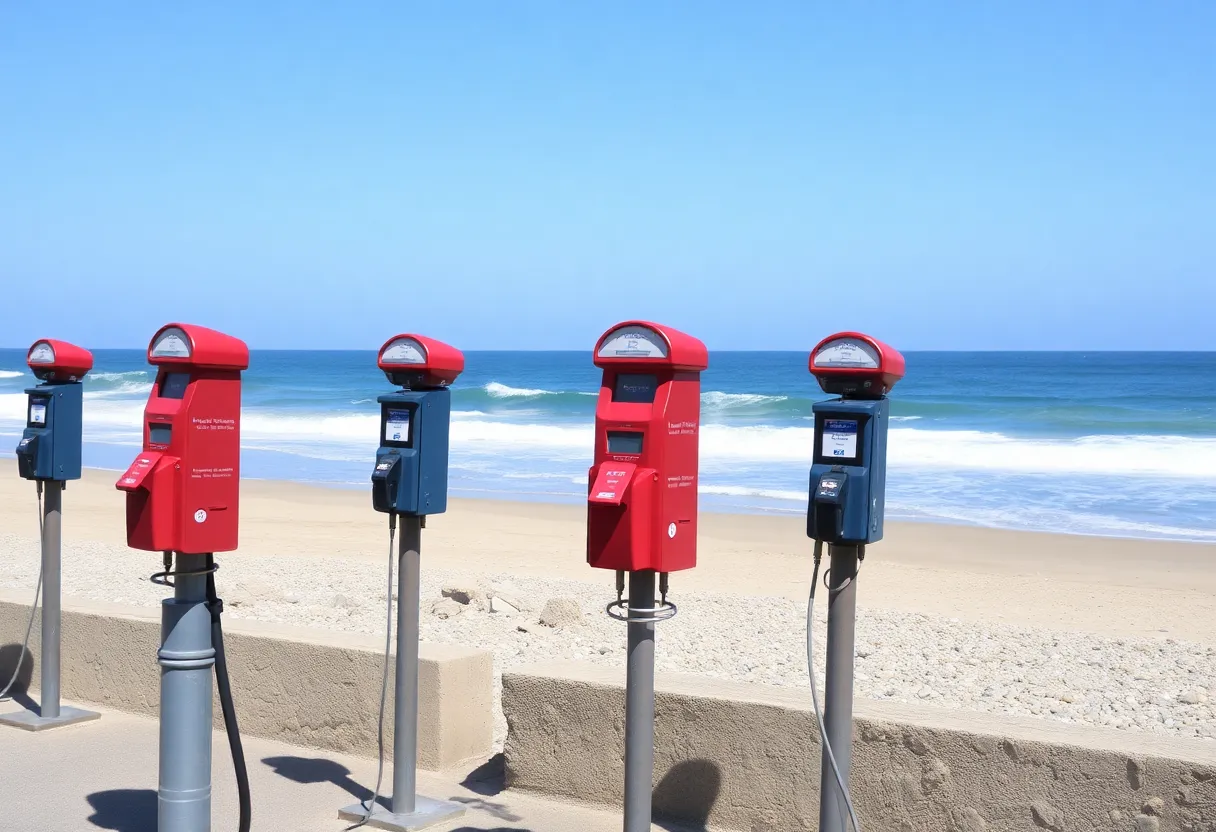
Most cities along the Grand Strand, including Myrtle Beach and its neighbors, charge between $2 to $5 per hour for parking, with fines for violations starting at $25. The dependency on private enforcement companies, such as Pivot Parking, has raised alarm among officials concerning the integrity and fairness of these practices.
In light of the attorney general’s opinion, Connell stated, “This particular opinion is a shot across the bow for every city that is trying to have a private entity collect for parking violations.” The ambiguity surrounding the issue has stirred uncertainty among municipal leaders, prompting a reconsideration of how parking enforcement should be structured.
Future Considerations
With ongoing debates regarding legislative authority and public safety, local governments will likely continue discussing how to adjust their enforcement policies in light of Wilson’s recent ruling. The question of whether private companies can fairly manage parking enforcement while ensuring due process for ticketed individuals remains at the forefront of these discussions.
As Myrtle Beach, Surfside Beach, and North Myrtle Beach navigate the implications of this legal opinion, residents and visitors may experience changes in parking enforcement practices in the near future. The focus now turns to finding solutions that balance effective enforcement with fair treatment of individuals.


Author: STAFF HERE MYRTLE BEACH
The HERE Myrtle Beach Staff Writers are a collaborative team of journalists, editors, and local contributors passionate about delivering accurate, timely information to the Myrtle Beach community. As part of the HEREcity.com Network, which powers over 100 U.S. city sites including HEREcolumbia.com, our staff draws on collective experience in South Carolina journalism to cover everything from business sales and real estate developments to dining deals and community initiatives. Our Expertise and Background Local Roots in Myrtle Beach Our team includes lifelong Myrtle Beach residents and SC natives with deep knowledge of the area’s history, economy, and culture. We’ve covered key events like the recent developments along the Grand Strand, Myrtle Beach’s tourism and hospitality industry, and growth in local education sectors (e.g., Coastal Carolina University programs). Collective Experience With over 50 combined years in journalism, our staff has backgrounds in print, digital media, and community reporting. We prioritize fact-based stories, drawing from sources like the Myrtle Beach Area Chamber of Commerce, city government records, and on-the-ground interviews. Commitment to Quality Every article is a group effort, involving research, editing, and verification to ensure reliability. We adhere to journalistic standards, citing credible sources and updating content as new details emerge.