

Blythewood Fights for Electric Vehicle Future
BLYTHEWOOD — Scout Motors, a new player in the electric vehicle market backed by the Volkswagen Group, plans to construct a $2 billion manufacturing plant in Blythewood, South Carolina. This initiative is part of an extensive movement towards clean energy, with nearly $15 billion allocated to various projects since the Inflation Reduction Act was enacted in 2022. However, the company faces a significant hurdle: South Carolina’s long-standing regulations prevent it from selling its vehicles directly to consumers.
Who is involved?
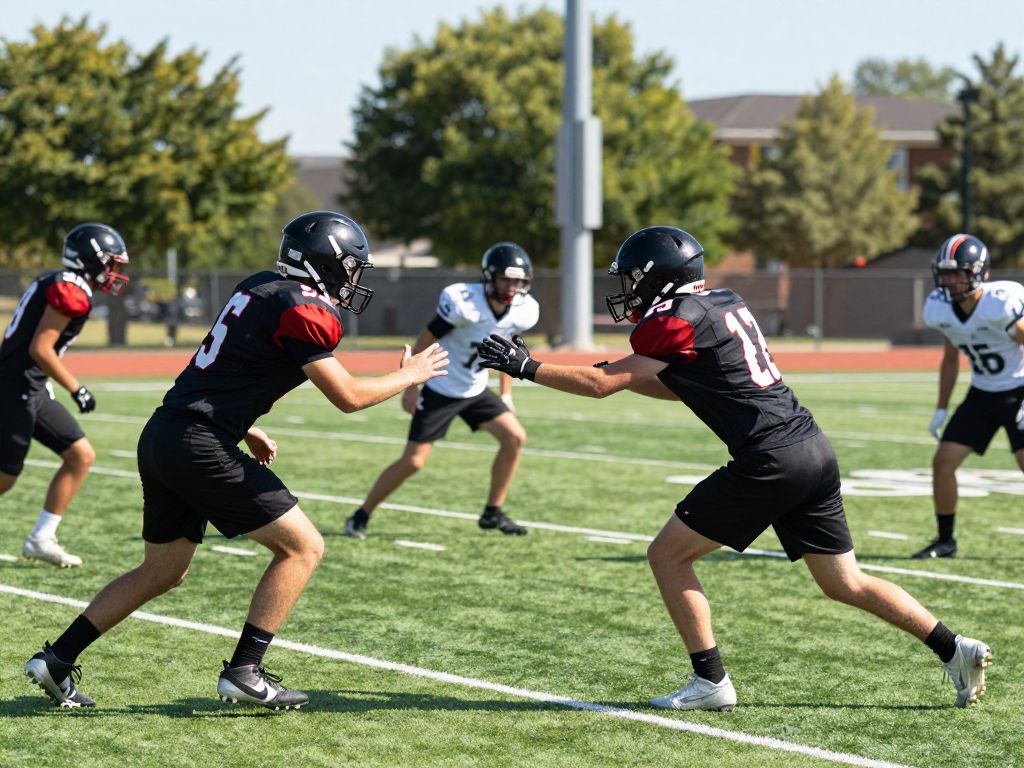
Scout Motors, a startup focused on electric vehicles, aims to establish its brand in South Carolina. The company has been actively involved in the Blythewood community, sponsoring local events and promoting its vehicle offerings at local sports games. With deep ties to the local economy, Scout hopes to make Blythewood its home base for manufacturing and sales.
What’s the current situation?
Scout is currently in a struggle to gain the legal ability to sell its cars within the state. South Carolina laws dictate that all vehicle sales must go through authorized dealerships, thus blocking companies like Scout from direct sales—either online or in physical stores. This situation is a critical barrier as Scout seeks to establish its “Scout Experience Center” in Blythewood, a facility intended to provide a streamlined purchasing experience for consumers.
Why is this significant?
The importance of Scout’s situation lies in the potential economic impact on the state. With the capability to create thousands of jobs and substantial tax revenues, the company represents a promising opportunity for growth in South Carolina’s clean energy sector. Scout’s vice president, Cody Thacker, expressed concern over current restrictions, noting that if the company cannot sell directly to consumers, they may be forced to build their Experience Center in another state.
Legal and Political Challenges
Scout’s struggle is not unique. Several other electric vehicle manufacturers, including Rivian and Tesla, have faced similar legal challenges across various states. In South Carolina, current laws not only prevent direct sales but also hinder the establishment of service centers unless tied to a physical dealership. The economic implications of such restrictions mean that residents who reserve a Scout vehicle, often by paying a fee, might need to travel out of state to finalize their purchase.
Public Support and Industry Resistance
There appears to be a growing public desire for more straightforward vehicle purchasing processes. Scout aims to modernize the experience, suggesting that buying a car should be as simple as ordering a product online. However, the entrenched network of traditional dealerships, which argue that their model provides competitive pricing and vital services, is pushing back. The National Automobile Dealers Association has vowed to fight any legislative moves that would allow direct sales, indicating that this is a contentious issue likely to escalate in the state legislature.
Looking Ahead
As Scout Motors prepares for the 2025 legislative session, they lack a concrete bill sponsor to advocate for reconsideration of the direct sales ban. Nevertheless, Thacker remains optimistic, engaging with state officials in hopes of finding a solution that benefits both the company and the local economy. He emphasizes that the choice in the upcoming sessions will have substantial effects on whether South Carolina can become a leader in the electric vehicle industry or miss out on potential economic growth.
In summary, the future of Scout Motors in Blythewood hinges on changes to existing laws. As the electric vehicle market continues to evolve, Scout’s battle for direct sales in South Carolina may shape the state’s role in the broader clean energy landscape.


Author: STAFF HERE MYRTLE BEACH
The HERE Myrtle Beach Staff Writers are a collaborative team of journalists, editors, and local contributors passionate about delivering accurate, timely information to the Myrtle Beach community. As part of the HEREcity.com Network, which powers over 100 U.S. city sites including HEREcolumbia.com, our staff draws on collective experience in South Carolina journalism to cover everything from business sales and real estate developments to dining deals and community initiatives. Our Expertise and Background Local Roots in Myrtle Beach Our team includes lifelong Myrtle Beach residents and SC natives with deep knowledge of the area’s history, economy, and culture. We’ve covered key events like the recent developments along the Grand Strand, Myrtle Beach’s tourism and hospitality industry, and growth in local education sectors (e.g., Coastal Carolina University programs). Collective Experience With over 50 combined years in journalism, our staff has backgrounds in print, digital media, and community reporting. We prioritize fact-based stories, drawing from sources like the Myrtle Beach Area Chamber of Commerce, city government records, and on-the-ground interviews. Commitment to Quality Every article is a group effort, involving research, editing, and verification to ensure reliability. We adhere to journalistic standards, citing credible sources and updating content as new details emerge.