

News Summary
Kilmar Abrego Garcia reveals horrific experiences following his deportation by the Trump administration. After being unlawfully sent back to El Salvador, he faced torture and inhumane conditions in CECOT prison. His accounts of severe beatings, malnutrition, and isolation raise serious concerns about U.S. immigration policies and their impact on individuals. Abrego’s ongoing legal battle highlights the stark contrast between his experiences and the official narratives presented by government authorities.
Kilmar Abrego Garcia’s Nightmarish Experience in Salvadoran Prison
In a shocking account that highlights the grim realities of immigration policies, Kilmar Abrego Garcia, a native of El Salvador, has come forward with allegations of torture and abuse following his illegal deportation by the Trump administration in March 2025. This deportation, which the Supreme Court has deemed unlawful, violated a court order aimed at protecting him from potential gang violence back home.
Details of the Deportation and Its Aftermath
Abrego’s legal journey has been a tumultuous one, marred by missteps and miscommunications. The Justice Department has admitted the deportation was a mistake—one that has led to harrowing consequences for Abrego. After being sent back to El Salvador, he was thrown into CECOT, a notorious Salvadoran prison, where he faced unimaginable suffering.
Uncovering the Horrors Inside CECOT
In a legal filing submitted on June 25, 2025, Abrego recounted a series of distressing events during his time in prison. He described being subjected to severe beatings, sleep deprivation, and malnutrition. Upon arrival, Abrego faced physical abuse right away, being shackled and forcibly removed from the aircraft. As if that wasn’t alarming enough, upon entering CECOT, he was welcomed with unsettling words that would haunt him during his stay: “Whoever enters here doesn’t leave.”
A Descent into Despair
Once inside CECOT, Abrego was made to strip and change his clothes under duress—an experience filled with humiliation and trauma. He reported being kicked and beaten by the guards. In just two weeks, he lost an alarming 31 pounds, leaving him with visible bruises and lumps throughout his body.
The Unbearable Living Conditions
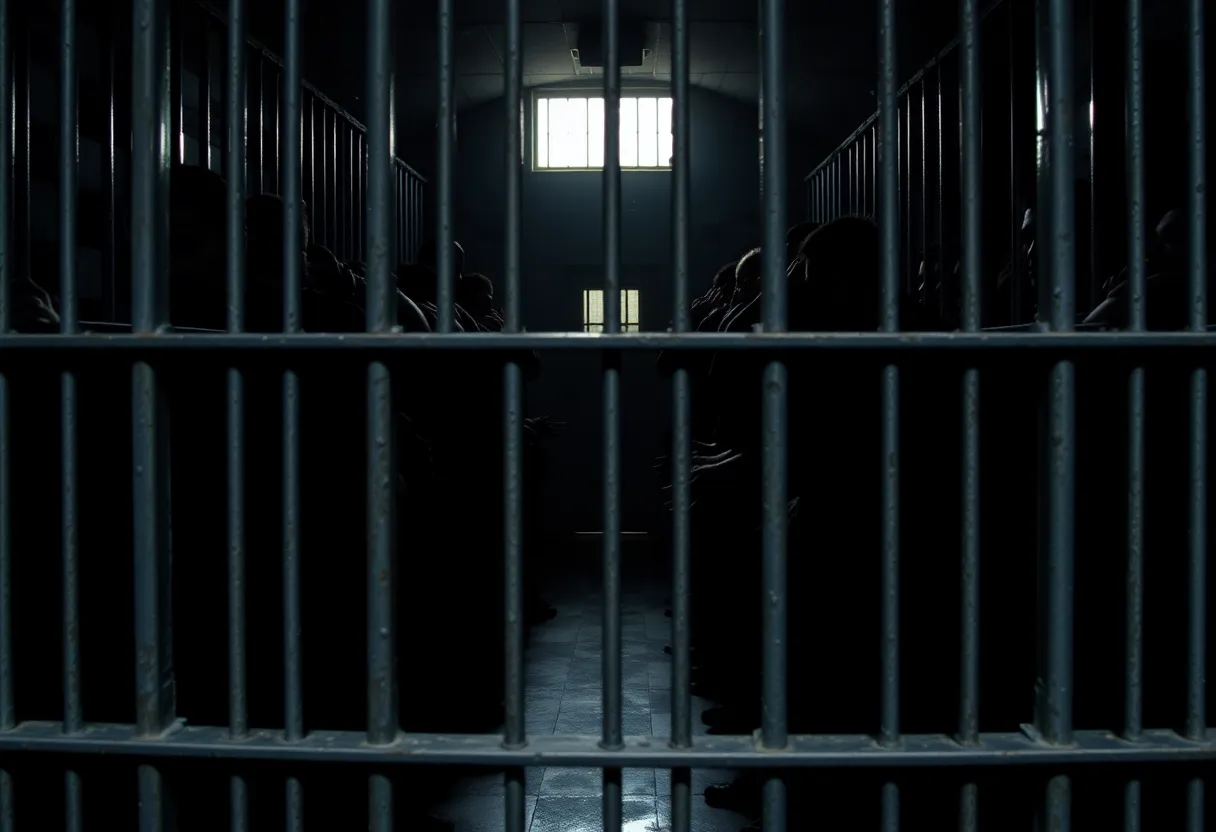
Life in CECOT was nothing short of inhumane. Abrego was crammed into an overcrowded cell with 20 other inmates. They were forced to kneel for hours overnight, and any inmate who succumbed to exhaustion was hit by guards. The lack of basic necessities escalated the trauma, as Abrego found himself without access to a bathroom—a situation that led him to soiling himself due to the agony of holding it in.
Isolation and Heartbreak
For over a month, Abrego was held incommunicado. He couldn’t reach out to family or legal representatives, which added to his anguish. The first bit of good news came when he was finally able to speak with Senator Chris Van Hollen during a visit in April 2025. His lawyers have presented a comprehensive 40-page account of his ordeal as part of a proposed amendment to a lawsuit related to his deportation.
Contrasting Narratives and Ongoing Legal Battles
Amidst the turmoil, there’s a stark contrast between Abrego’s narrative and the story presented by the Trump administration and Salvadoran President Nayib Bukele. While the administration claimed that Abrego was “in good health” upon deportation, his accounts reveal a different reality filled with suffering and abuse. Adding to the complexity, Abrego’s tattoos have led prison officials to insinuate a connection to gangs, a statement that his lawyers vigorously dispute, emphasizing that he has no gang affiliations.
New Legal Challenges
As if his situation couldn’t get worse, Abrego faced a new legal challenge when a grand jury in Tennessee indicted him in June 2025 for human smuggling. Authorities allege that he had been involved in transporting undocumented immigrants for many years. He had lived in the U.S. since illegally entering around 2011, residing in Maryland until his deportation.
What Lies Ahead?
With Abrego now back in U.S. custody, a magistrate judge has ordered that he remain detained at least until July 16, 2025. Concerns about his potential deportation loom large, particularly due to conflicting statements from government officials regarding his legal status. As Abrego’s complicated legal saga unfolds, it shines a light on the impact that U.S. immigration policies under the Trump administration have had on individuals like him, raising urgent questions that require answers and actions to prevent further injustice.
Deeper Dive: News & Info About This Topic
- Tennessee Lookout: Judge Keeps Kilmar Abrego in Jail
- Denver Post: Star Witness Against Kilmar Abrego Garcia
- WKRN: Kilmar Abrego Garcia Federal Hearing in Nashville
- Encyclopedia Britannica: Immigration Policy
- Google News: Kilmar Abrego Garcia


Author: STAFF HERE MYRTLE BEACH
The HERE Myrtle Beach Staff Writers are a collaborative team of journalists, editors, and local contributors passionate about delivering accurate, timely information to the Myrtle Beach community. As part of the HEREcity.com Network, which powers over 100 U.S. city sites including HEREcolumbia.com, our staff draws on collective experience in South Carolina journalism to cover everything from business sales and real estate developments to dining deals and community initiatives. Our Expertise and Background Local Roots in Myrtle Beach Our team includes lifelong Myrtle Beach residents and SC natives with deep knowledge of the area’s history, economy, and culture. We’ve covered key events like the recent developments along the Grand Strand, Myrtle Beach’s tourism and hospitality industry, and growth in local education sectors (e.g., Coastal Carolina University programs). Collective Experience With over 50 combined years in journalism, our staff has backgrounds in print, digital media, and community reporting. We prioritize fact-based stories, drawing from sources like the Myrtle Beach Area Chamber of Commerce, city government records, and on-the-ground interviews. Commitment to Quality Every article is a group effort, involving research, editing, and verification to ensure reliability. We adhere to journalistic standards, citing credible sources and updating content as new details emerge.