
News Summary
A radioactive wasp nest has been found at the Savannah River Site in South Carolina, emitting radiation levels significantly exceeding federal limits. Discovered by Radiological Control Operations, the nest raised concerns over possible contamination from the site’s historical nuclear activities. It was treated with insecticide and disposed of safely, with no contamination detected in the surrounding area. The site, known for its legacy in nuclear weapons production, is under continuous monitoring to ensure safety amid ongoing cleanup efforts.
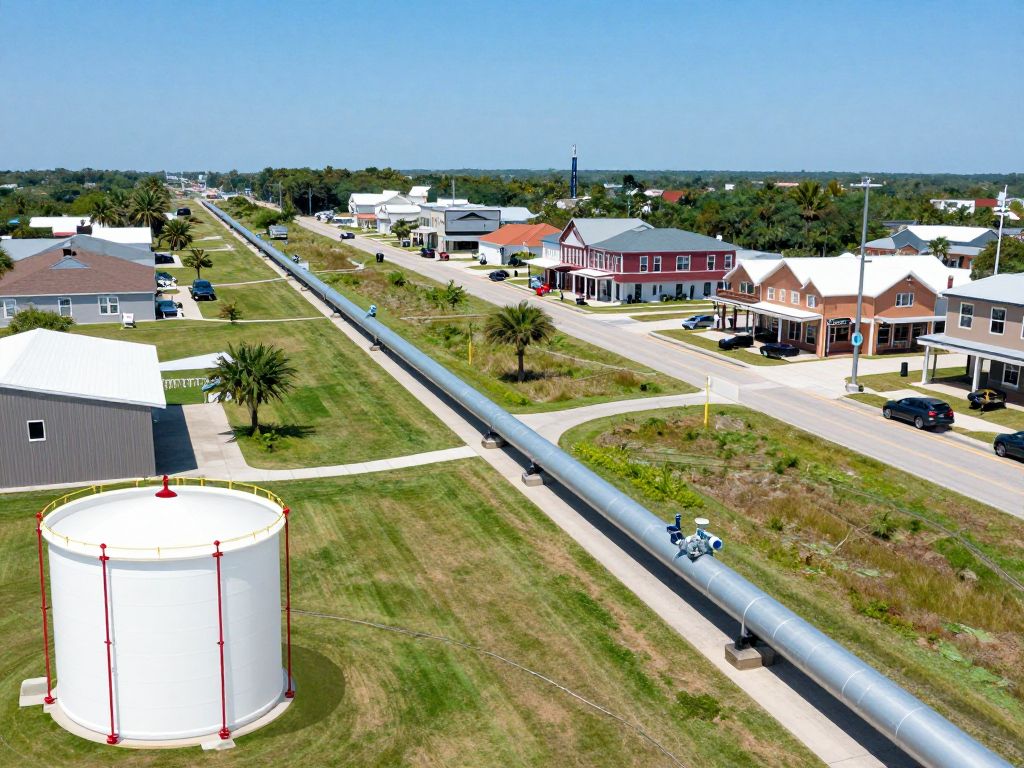
South Carolina – A radioactive wasp nest has been discovered at the Savannah River Site in Aiken, South Carolina, posing potential concerns regarding contamination at the facility. The nest was found by Radiological Control Operations around 2 p.m. on July 3, situated on a post near a tank designated for storing liquid nuclear waste.
The investigation revealed that the nest emitted radiation levels measuring 100,000 disintegrations per minute (dpm), which is notably ten times higher than the federally permitted contamination levels. According to the Department of Energy, this contamination has been classified as “onsite legacy radioactive contamination.” This categorization suggests that the radioactive material is a remnant from historical activities rather than an indication of a failure in current contamination control measures.
To address the situation, the discovered nest was treated with insecticide to eliminate the wasps. Following the spraying, no wasps were found in the aftermath; they were subsequently bagged and disposed of as radiological waste. There were no indications of contamination in the surrounding ground or area, and the incident did not disrupt any ongoing operations or activities at the Savannah River Site.
The Savannah River Site, spanning an extensive 310 square miles, was established in the 1950s primarily for the production of materials used in nuclear weapons, including tritium and plutonium-239. Since then, the facility has transitioned from weapons production to developing fuel for nuclear plants and engaging in environmental cleanup efforts. Notably, cleanup operations at the site commenced in the 1980s after it was designated as an EPA Superfund site.
Currently, the Savannah River Site operates 43 underground tanks for waste storage, while eight additional tanks have been closed. However, the exact source of radioactive material that led to the formation of the wasp nest remains unspecified in the reports. This ambiguity raises concerns from watchdog organizations regarding potential leaks from the waste tanks that could lead to further contamination issues.
In the event any wasps had been discovered alive at the site, it is important to note that their radiation levels would have been significantly lower than the radiation levels recorded in the nest itself. Continuous monitoring and assessment at the facility are critical to ensuring the safety and integrity of operations, especially considering its historical legacy and the risks associated with the handling of radioactive materials.
The Savannah River Site continues to monitor its environmental footprint while addressing past contamination and transforming its operations to align with current needs for nuclear fuel development. The discovery of the radioactive wasp nest serves as a reminder of the ongoing challenges associated with managing legacy contamination at sites with a nuclear history.
Deeper Dive: News & Info About This Topic
- CBS News
- Wikipedia: Savannah River Site
- WYFF 4
- Google Search: Savannah River Site
- WJCL
- Google Scholar: radioactive wasps South Carolina
- Post and Courier
- Encyclopedia Britannica: Radioactivity
- USA Today
- Google News: radioactive wasps South Carolina


Author: STAFF HERE MYRTLE BEACH
The HERE Myrtle Beach Staff Writers are a collaborative team of journalists, editors, and local contributors passionate about delivering accurate, timely information to the Myrtle Beach community. As part of the HEREcity.com Network, which powers over 100 U.S. city sites including HEREcolumbia.com, our staff draws on collective experience in South Carolina journalism to cover everything from business sales and real estate developments to dining deals and community initiatives. Our Expertise and Background Local Roots in Myrtle Beach Our team includes lifelong Myrtle Beach residents and SC natives with deep knowledge of the area’s history, economy, and culture. We’ve covered key events like the recent developments along the Grand Strand, Myrtle Beach’s tourism and hospitality industry, and growth in local education sectors (e.g., Coastal Carolina University programs). Collective Experience With over 50 combined years in journalism, our staff has backgrounds in print, digital media, and community reporting. We prioritize fact-based stories, drawing from sources like the Myrtle Beach Area Chamber of Commerce, city government records, and on-the-ground interviews. Commitment to Quality Every article is a group effort, involving research, editing, and verification to ensure reliability. We adhere to journalistic standards, citing credible sources and updating content as new details emerge.