
Georgetown, SC, August 16, 2025
News Summary
Santee Cooper has agreed to a $250,000 settlement to protect the habitats of endangered Atlantic and Shortnose sturgeons. The settlement comes after concerns over increased temperature limits for wastewater discharge from the Winyah Generating Station. This agreement seeks to boost conservation efforts and limit wastewater temperatures to safeguard these vital fish species, which have been impacted by previous environmental compliance issues and habitat loss.
Georgetown, South Carolina – Santee Cooper Agrees to Settlement to Protect Endangered Sturgeon
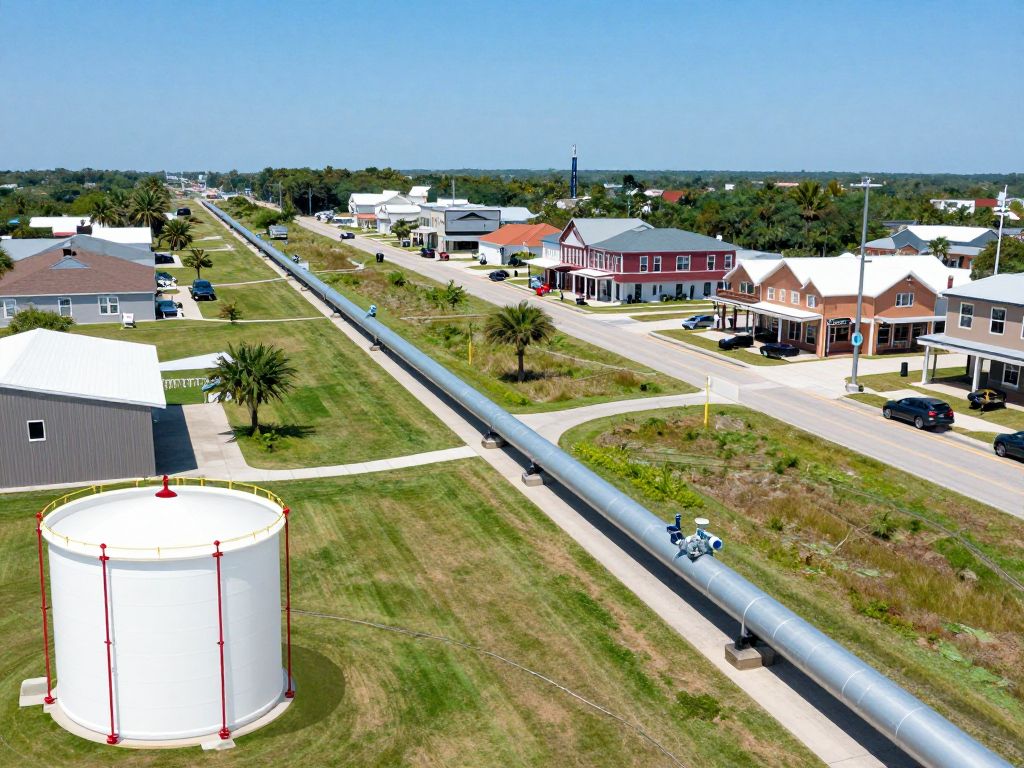
Santee Cooper has committed $250,000 to protect the habitat of endangered Atlantic and Shortnose sturgeon as part of a settlement with two local conservation groups: the Winyah Rivers Alliance and the Coastal Conservation League. This agreement addresses concerns raised about emissions from Santee Cooper’s Winyah Generating Station, located on the banks of the scenic Santee River.
The settlement comes after Santee Cooper’s proposal in 2021 to increase temperature limits for its discharged wastewater. Originally, the company sought to allow discharged water to reach temperatures of up to 115°F in summer and 105°F in spring and fall. Advocates for marine life argued that this increase would have detrimental effects, particularly on sturgeons that thrive in cooler water conditions.
Under the settlement, Santee Cooper will reduce the upper temperature limit for wastewater discharge to 105°F in summer and 95°F in spring and fall. If the company violates these new limits, it will face a penalty of $5,000 per day for each occurrence.
Conservation Initiatives
As part of the settlement, the $250,000 will be directed to the Open Space Institute to fund land conservation in the Santee River Basin, which is critical to the recovery of sturgeon populations. This initiative is expected to benefit the habitats where these endangered fish reside.
Important Facts About Sturgeon
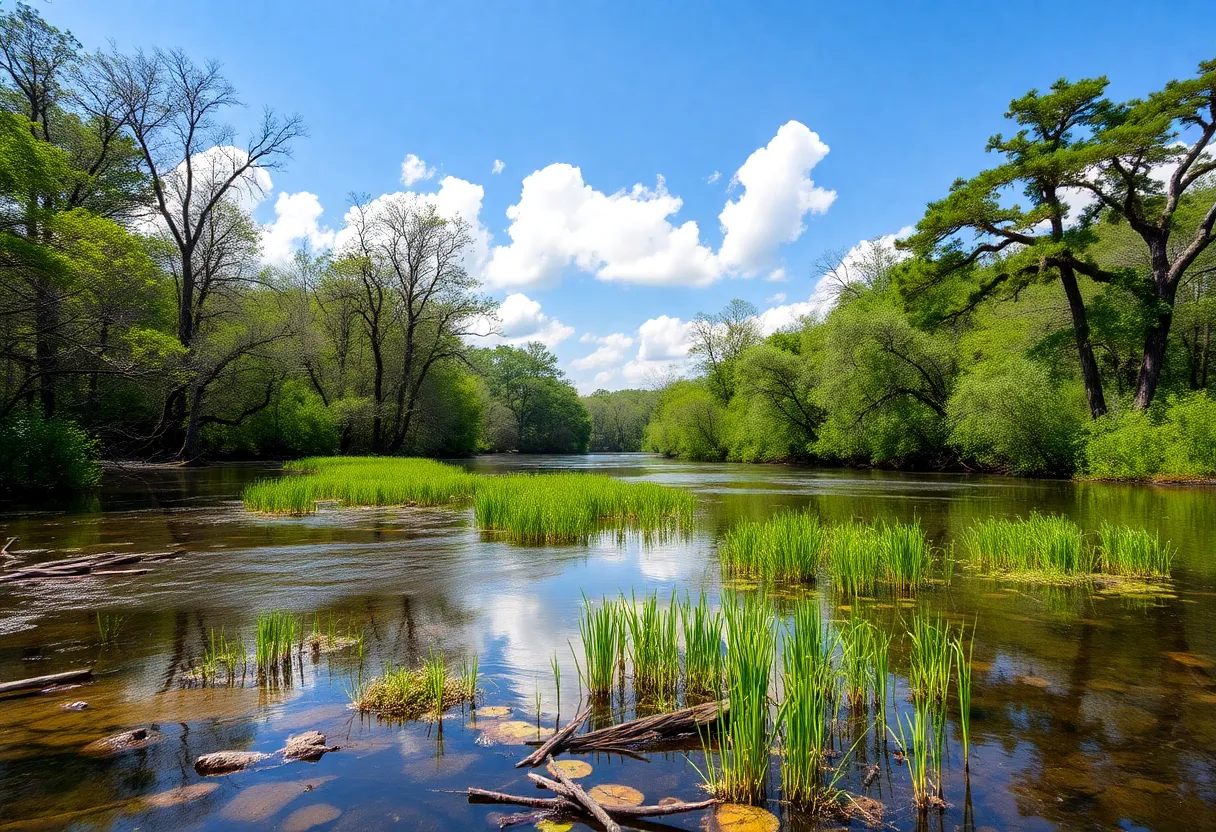
The Atlantic sturgeon and Shortnose sturgeon are two key species that inhabit the waters of the Santee River. Atlantic sturgeon are the largest freshwater fish along the Atlantic Coast, measuring between 3-14 feet and weighing as much as 800 pounds. Shortnose sturgeon, on the other hand, are smaller, growing to lengths of 1-4 feet and weighing up to 50 pounds.
Recent observations have shown increased spawning activity in the Pee Dee River, which has been classified as a critical habitat for both species. Unfortunately, the populations of sturgeon have faced severe declines due to overfishing and habitat loss in the past, making conservation efforts crucial.
Environmental Concerns
Conservation groups have raised alarms that heated water can cause significant distress to sturgeon, interfering with their migration and feeding habits. By lowering the maximum allowable temperatures for wastewater, this settlement aims to alleviate these issues, supporting the recovery of both sturgeon species.
Santee Cooper has a history of environmental compliance issues. The company was fined $99,000 in August 2023 for exceeding limits on sulfur dioxide emissions. As for the Winyah Generating Station, which has been operational since 1975, plans to retire the facility are scheduled for the early 2030s.
Significance of the Settlement
This settlement is seen by many environmental advocates as a significant victory for the conservation of wildlife and the preservation of the unique ecosystem within the Santee River Delta. By collaborating with conservation groups, Santee Cooper aims to demonstrate a commitment to sustainable practices and the protection of endangered species.
FAQs
What is Santee Cooper’s commitment as part of the settlement?
Santee Cooper will spend $250,000 to protect the habitat of endangered sturgeon and will adhere to new temperature limits for wastewater discharge.
What are the new temperature limits for wastewater discharge?
The new limits set a maximum discharge temperature of 105°F in summer and 95°F in spring and fall.
Why is the protection of sturgeon habitats important?
Sturgeon are vital to the ecological balance of their environments. Protecting their habitats supports their recovery and the overall health of the Santee River ecosystem.
Key Features of the Settlement
| Feature | Details |
|---|---|
| Settlement Amount | $250,000 |
| Temperature Limit – Summer | 105°F |
| Temperature Limit – Spring/Fall | 95°F |
| Penalty for Exceeding Limits | $5,000 per day |
| Endangered Species | Atlantic and Shortnose sturgeon |
| Significant Habitat | Pee Dee River |
Deeper Dive: News & Info About This Topic
HERE Resources
Additional Resources
- Post and Courier: SC Conservation Groups and Georgetown Santee Cooper Plant
- Wikipedia: Sturgeon
- SC Daily Gazette: SC Utility Agrees to Cooler Water
- Google Search: Endangered Fish Protection
- Cape Gazette: Builders Supply Delmarva Cuts Ribbon
- Google Scholar: Conservation Efforts for Sturgeon
- Post and Courier: A Look Back in Time at Captain Rene’s Marine Railway
- Encyclopedia Britannica: Sturgeon
- Post and Courier: Gullah Lives Barber Is Georgetown’s First Gullah Mayor
- Google News: Gullah Culture


Author: STAFF HERE MYRTLE BEACH
The HERE Myrtle Beach Staff Writers are a collaborative team of journalists, editors, and local contributors passionate about delivering accurate, timely information to the Myrtle Beach community. As part of the HEREcity.com Network, which powers over 100 U.S. city sites including HEREcolumbia.com, our staff draws on collective experience in South Carolina journalism to cover everything from business sales and real estate developments to dining deals and community initiatives. Our Expertise and Background Local Roots in Myrtle Beach Our team includes lifelong Myrtle Beach residents and SC natives with deep knowledge of the area’s history, economy, and culture. We’ve covered key events like the recent developments along the Grand Strand, Myrtle Beach’s tourism and hospitality industry, and growth in local education sectors (e.g., Coastal Carolina University programs). Collective Experience With over 50 combined years in journalism, our staff has backgrounds in print, digital media, and community reporting. We prioritize fact-based stories, drawing from sources like the Myrtle Beach Area Chamber of Commerce, city government records, and on-the-ground interviews. Commitment to Quality Every article is a group effort, involving research, editing, and verification to ensure reliability. We adhere to journalistic standards, citing credible sources and updating content as new details emerge.