

Charleston, SC, December 18, 2025
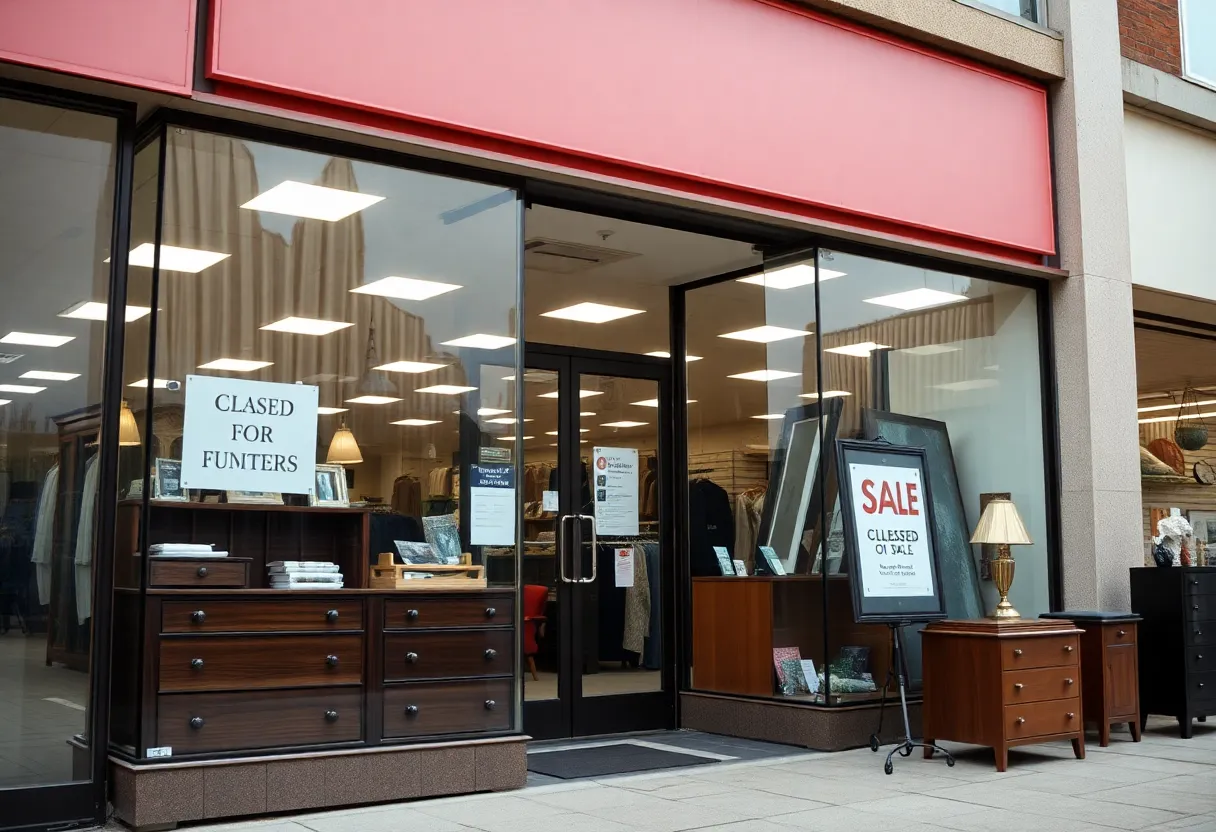
The Orvis store in Charleston is set to close as part of a nationwide strategy that involves shutting down 36 locations by 2026. Rising tariffs have significantly impacted the retail sector, prompting Orvis to realign its business model. The outdoor retailer plans to focus on core strengths while addressing the economic challenges affecting South Carolina businesses. This shift serves as a case study for the ongoing struggles faced by retailers in an increasingly complex market environment.
Orvis Charleston Navigates Tariff Headwinds
Charleston, SC – The business landscape in South Carolina, particularly within its vibrant retail sector, is currently experiencing significant shifts, as exemplified by the upcoming closure of the Orvis store in Charleston. This development highlights broader economic currents impacting companies both large and small across the nation and within the Palmetto State. The challenges faced by retailers underscore the determination of entrepreneurs to innovate and adapt in an ever-evolving market.
The decision by a respected brand like Orvis to realign its operations serves as a poignant reminder of the external pressures businesses can encounter. While the Charleston community prepares for the local store’s final days and the sale of its fixtures, the underlying reasons for such strategic moves prompt a deeper look into the economic environment, where factors like tariffs play a substantial role in operational viability and growth prospects.
Orvis’s Strategic Realignment Amidst National Shifts
Orvis, an outdoor retailer with a history spanning 169 years, has announced plans for a significant reduction in its physical retail footprint nationwide. The company intends to close 36 locations, comprising 31 stores and five outlets, by the close of 2026. This comprehensive strategy, which includes the Charleston location, accounts for approximately half of its entire retail fleet across the country. The company attributes this decision to a combination of rising tariffs and a strategic shift in its business model.
Simon Perkins, President of Orvis, has indicated that the company’s business model has undergone a considerable transformation due to what he described as an “unprecedented tariff landscape”. In response, Orvis plans to refocus on its core strengths, primarily fly-fishing and wingshooting, while investing in key areas such as gear, apparel, unique outdoor experiences, and conservation initiatives. The retailer also aims to discontinue older product lines and strengthen collaborations with over 550 domestic independent dealers and other national outdoor retailers. This realignment also involved prior workforce reductions, with 112 employees laid off in 2024 and an additional 50 in 2025, alongside a relocation of its headquarters.
The Tariff Landscape: A Nationwide Challenge for Retailers
The difficulties experienced by Orvis are indicative of a broader trend affecting the retail sector nationwide. Tariffs, which are essentially taxes imposed by governments on the value of imported products, directly impact American companies that purchase goods from overseas. These costs are often absorbed by businesses or, more commonly, passed on to consumers through higher prices for goods. Data shows a significant increase in the average tariff rate on imported goods nationwide, which has surged from approximately 2% at the beginning of 2025 to nearly 17%.
This rise in import costs has contributed to a challenging environment for physical retail establishments. Nationwide, announced store closures in 2025 have seen a 67% increase compared to the previous year. As of July 4, nearly 6,000 retail locations have closed their doors across the country, exceeding the approximately 4,000 new openings recorded during the same period. This trend underscores the pressure on retailers to adapt their business models and operational strategies.
South Carolina Businesses Feel the Pressure of Tariffs
The effects of these increasing tariffs are not limited to large national chains but are also profoundly felt by businesses throughout South Carolina. The state’s economy, with its global connections, sees various sectors impacted, including automotive manufacturing, electronics, heavy machinery, agriculture, and the broader retail and consumer goods industries. Research economists highlight that these tariffs, as a tax on imported goods, can lead to immediate price increases for affected products.
For consumers in South Carolina, this translates into potential price adjustments across a range of items as inventories turn over and higher-cost shipments arrive. Categories such as batteries, clothing, electronics, and personal care products are among those where shoppers might observe price increases. Economists have estimated that these tariffs could cost South Carolina families roughly $1,700 annually. Furthermore, small and medium-sized businesses, which constitute a significant 85% of the state’s exporters, bear a substantial portion of the impact from tariff implementation.
Navigating Economic Headwinds and Fostering Growth
The situation with Orvis in Charleston and the broader implications of tariffs on South Carolina entrepreneurs and Myrtle Beach small business owners emphasize the critical need for adaptability and strategic foresight. In challenging economic climates, the resilience of local businesses and their capacity for innovation become paramount. Business leaders across the state are continuously seeking ways to streamline operations, diversify supply chains, and enhance customer value to mitigate external cost pressures.
For communities like Myrtle Beach, fostering an environment that encourages entrepreneurial innovation and provides clear pathways for growth is essential. Policies that promote limited regulation can reduce the operational burden on businesses, allowing them to allocate more resources to innovation, job creation, and market expansion. Such an approach can empower businesses to better navigate global economic complexities and ensure sustained Myrtle Beach SC business vitality.
Looking Ahead: Resilience and Community Support
The challenges presented by tariffs and other economic factors underscore the importance of both individual business acumen and a supportive community ecosystem. The story of Orvis’s restructuring, while a local event for Charleston, echoes the experiences of many businesses in South Carolina and the broader national retail landscape. It highlights the ongoing need for businesses to critically assess their operations and adapt to changing market dynamics.
For residents of Myrtle Beach and surrounding areas, actively supporting local businesses, whether through direct patronage or engagement in community economic initiatives, plays a vital role in fostering resilience. A robust local economy thrives on the collective effort of its businesses and citizens working together to overcome obstacles and seize new opportunities.
Conclusion
The departure of Orvis from Charleston, influenced by the complex landscape of rising tariffs, serves as a significant case study for the entire state’s economy. It brings into focus the continuous need for businesses to remain agile and for communities to cultivate environments that support entrepreneurial spirit and economic growth. The lessons learned from these challenges can help shape more resilient strategies for Myrtle Beach SC business owners and contribute to the overall strength of the Midlands economic growth.
We encourage our readers to remain informed about the economic factors impacting our local businesses and to actively support the diverse array of South Carolina entrepreneurs who contribute to the vibrancy of our communities. Your engagement is key to nurturing a thriving local economy.
Frequently Asked Questions
What is happening with Orvis stores?
Orvis, an outdoor retailer, plans to close 36 locations (31 stores and 5 outlets) by the end of 2026, which represents about half of its retail fleet nationwide. This includes the Charleston store.
Why is Orvis closing stores?
The decision is primarily attributed to rising tariffs and a strategic shift in its business model. Orvis’s President stated that the business model faced a “sizable shift with the introduction of an unprecedented tariff landscape”.
What are tariffs and how do they impact businesses?
Tariffs are taxes imposed by governments on the value of imported products. They impact American companies that import goods by increasing their costs, which are often passed on to consumers through higher prices.
How are tariffs affecting South Carolina businesses and consumers?
In South Carolina, various industries, including automotive manufacturing, electronics, heavy machinery, agriculture, and retail, are feeling the pressure of rising tariffs. The average tariff rate on imported goods nationwide jumped from approximately 2% to nearly 17% in 2025. Economists estimate that tariffs could cost South Carolina families about $1,700 annually, and small and medium-sized businesses, which make up 85% of the state’s exporters, are significantly affected. Consumers may see price adjustments in categories like batteries, clothing, electronics, and personal care products.
What is Orvis’s new business strategy?
Orvis plans to refocus on its core strengths: fly-fishing and wingshooting. The company will invest in gear, apparel, outdoor experiences, and conservation efforts, while phasing out older products and increasing collaboration with domestic independent dealers and national outdoor retailers.
Key Features of Orvis’s Business Realignment and Tariff Impact
| Feature | Description | Scope |
|---|---|---|
| Number of Store Closures | 36 locations (31 stores, 5 outlets) by end of 2026, about half of its fleet. | Nationwide |
| Primary Reason for Closures | Rising tariffs and a shift in business strategy, specifically an “unprecedented tariff landscape.” | Nationwide |
| New Business Focus | Core strengths in fly-fishing and wingshooting, investing in gear, apparel, outdoor experiences, and conservation. | Nationwide |
| Average Tariff Rate Increase (2025) | From 2% to nearly 17% on imported goods. | Nationwide |
| Impact on South Carolina Families | Estimated cost of approximately $1,700 annually due to tariffs. | State-level |
| Affected SC Industries | Automotive manufacturing, electronics, heavy machinery, agriculture, retail, and consumer goods. | State-level |
| Retail Store Closures (2025 YTD) | Nearly 6,000 retail closures reported, outpacing 4,000 new openings. | Nationwide |
Deeper Dive: News & Info About This Topic
HERE Resources

Author: STAFF HERE MYRTLE BEACH
The HERE Myrtle Beach Staff Writers are a collaborative team of journalists, editors, and local contributors passionate about delivering accurate, timely information to the Myrtle Beach community. As part of the HEREcity.com Network, which powers over 100 U.S. city sites including HEREcolumbia.com, our staff draws on collective experience in South Carolina journalism to cover everything from business sales and real estate developments to dining deals and community initiatives. Our Expertise and Background Local Roots in Myrtle Beach Our team includes lifelong Myrtle Beach residents and SC natives with deep knowledge of the area’s history, economy, and culture. We’ve covered key events like the recent developments along the Grand Strand, Myrtle Beach’s tourism and hospitality industry, and growth in local education sectors (e.g., Coastal Carolina University programs). Collective Experience With over 50 combined years in journalism, our staff has backgrounds in print, digital media, and community reporting. We prioritize fact-based stories, drawing from sources like the Myrtle Beach Area Chamber of Commerce, city government records, and on-the-ground interviews. Commitment to Quality Every article is a group effort, involving research, editing, and verification to ensure reliability. We adhere to journalistic standards, citing credible sources and updating content as new details emerge.