

Columbia, SC, January 10, 2026
News Summary
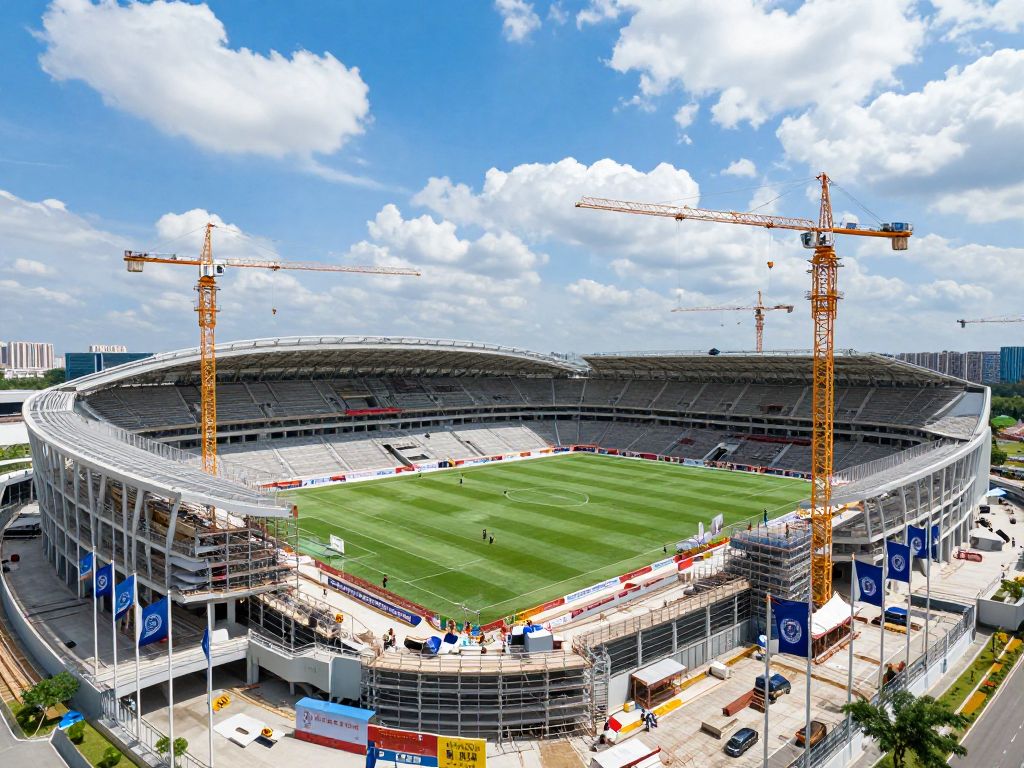
The University of South Carolina begins the Williams-Brice Reimagined project, a $350 million renovation aimed at modernizing its stadium. This multi-phase initiative will enhance the fan experience, provide state-of-the-art facilities for student-athletes, and expand premium offerings, all while contributing to the local economy. The project’s first phase starts after the 2025 football season and aims for completion by 2028, ensuring minimal disruption during the athletic calendar.
Myrtle Beach, SC — The landscape of higher education and collegiate athletics across South Carolina continues to evolve, demonstrating a robust commitment to enhancing student experiences, fostering community engagement, and driving economic growth. A prime example of this progressive vision is the University of South Carolina’s comprehensive “Williams-Brice Reimagined” project, an ambitious undertaking poised to modernize its iconic football stadium in Columbia.
This multi-phase renovation signifies more than just an upgrade to a sporting venue; it represents a strategic investment in the future of the university and the broader region. By focusing on innovation in facility design, disciplined project execution, and a commitment to providing an unparalleled experience for all stakeholders, the University of South Carolina is reinforcing its position as a cornerstone of
South Carolina higher education
and a vital economic engine for the state. The project underscores how significant institutional developments contribute to academic and athletic excellence, building leadership opportunities and strengthening community ties.
Williams-Brice Stadium Undergoes Historic Transformation
The
University of South Carolina
has embarked on one of the most significant renovation projects in its athletic history, the “Williams-Brice Reimagined” initiative. This extensive undertaking aims to transform Williams-Brice Stadium into a state-of-the-art facility, enhancing the overall fan experience, expanding premium offerings, and modernizing amenities for student-athletes. The project’s vision is built upon four core pillars: ensuring an enhanced experience “For All” fans, honoring the stadium’s legacy and tradition, cultivating a sense of home, and showcasing South Carolina’s pride statewide. This strategic approach highlights a dedication to both tradition and forward-thinking innovation in collegiate sports infrastructure.
The renovation project, with a projected budget of $350 million for its primary phases, has garnered approval and commenced construction following the 2025 football season. The renowned architectural firm Populous, a global leader in sports venue design, was selected as the design partner for the project. Guiding the construction efforts are
Contract Construction
, a South Carolina-headquartered company known for its extensive portfolio of projects within the state’s education sector, including previous work for the University of South Carolina, and Manhattan Construction Company. This collaboration brings together expertise dedicated to delivering a facility that meets modern standards while reflecting the unique spirit of Gamecock Nation.
A Phased Approach to Modernization
The “Williams-Brice Reimagined” project is structured into three distinct phases, meticulously planned to occur between football seasons to minimize disruption to the athletic calendar. The initial phase of construction began in December after the conclusion of the 2025 season, focusing on critical upgrades to the stadium’s general concourses and student section. This phase involves key demolition work on areas such as the East Ground Level Slab, the Southwest Ramp, and the Floyd Building. These foundational improvements are anticipated to be completed before the kickoff of the 2026 football season.
The subsequent phases will systematically address other key areas of the stadium. Phase Two, scheduled between the 2026 and 2027 seasons, will focus on enhancing the premium areas, including the 100-200 sections of seating. The final Phase Three, set to take place between the 2027 and 2028 seasons, will target improvements to the southeast corner of the stadium. The entire project is slated for full completion ahead of the 2028 football season, marking a comprehensive overhaul of the venerable venue. This disciplined, multi-year strategy ensures continuous progress while maintaining the stadium’s operational integrity for athletic and other events.
Elevating the Fan and Student Experience
A core objective of the Williams-Brice renovation is to significantly enhance the experience for every fan and student. Planned improvements include the expansion of concourses on both the west and east sides of the stadium, designed to improve circulation and ease of movement. A substantial increase in the number of restrooms, particularly addressing the previous scarcity of women’s facilities, along with more concession stands, aims to reduce wait times and improve overall comfort. New elevator and escalator cores, along with new stair towers on the west side, will also contribute to better accessibility throughout the stadium.
Student engagement is a key focus, with plans for an upgraded student section, affectionately known as “The Cockpit”. This area will feature an air-conditioned club space, spanning 3,000 square feet, providing students with enhanced amenities. This dedicated space is intended for use beyond game days, offering a versatile venue for student organizations throughout the year, thereby integrating the stadium more deeply into daily student life. Additionally, the project includes the potential installation of two new video boards in the south end zone corners, promising a more immersive game day atmosphere for all attendees. While the stadium’s overall seating capacity is expected to adjust to the low 70,000s from its current 77,559, it is committed to remaining above 70,000, with no seating displacement anticipated until the 2027 season.
Advanced Facilities for Student-Athletes and Premium Offerings
The renovation extends its benefits directly to the student-athletes, recognizing their dedication and hard work. The project includes significant upgrades to the football team’s facilities within the stadium, such as an improved team locker room, a dedicated recruitment lounge and club, new locker rooms for both male and female coaches/trainers, a new media interview room, an equipment room, a training room, and a player holding area. These state-of-the-art facilities are designed to support the development and well-being of student-athletes, contributing to a culture of discipline and excellence in collegiate sports. Such investments reflect the
University of South Carolina
‘s commitment to attracting and nurturing top talent, emphasizing that success extends beyond the field to encompass comprehensive student support.
For fans seeking an elevated experience, the “Williams-Brice Reimagined” project dramatically expands the stadium’s premium offerings. The number of suites, which previously ranked lowest in the SEC with just 18, is set to increase significantly to 43, including 33 traditional suites and 10 luxury “founder” suites. The long-term vision aims to reach just under 90 suites. These new premium spaces are designed with indoor furniture, exterior seating, display bars, and buffet counters, offering a sophisticated game day environment. Additionally, nine new club areas, including one at field level, will be introduced, providing diverse options for premium ticket holders. These enhancements are crucial for generating revenue that directly supports Gamecock Athletics and its various programs, upholding financial responsibility within the athletic department.
Economic Impact and Future Growth
The Williams-Brice Stadium renovation is a testament to the
South Carolina higher education
system’s broader economic influence. The project’s funding strategy, primarily relying on Athletic Revenue Bonds, capital gifts, premium seating sales, and related annual revenues, ensures that student fees and tuition remain unaffected. The bonds are slated for repayment over thirty years, backed by projected increases in revenue from premium seating, suites, and bonuses from food sales and media contracts. Officials anticipate an increase of $26 million in annual ticket revenue by the second year, potentially reaching over $70 million by year thirty, with new suites alone expected to generate $210 million within the first decade.
Beyond direct athletic revenue, the University of South Carolina system generates an impressive $7.4 billion in annual economic impact across the state, with the Columbia campus contributing a substantial $4.2 billion annually to the Columbia metropolitan area, supporting a significant portion of local employment. This stadium renovation project enhances this impact by not only attracting visitors and boosting hospitality sectors but also by increasing the stadium’s capability to host a wider array of events beyond football, such as concerts, conferences, and community gatherings. This expansion of utility reinforces Columbia’s strategy for sports-driven economic revitalization. Furthermore, there are ongoing discussions for developing a multi-use district adjacent to the stadium, potentially including condos, hotels, restaurants, and bars, which would further augment revenue streams for the university through land-lease deals with private developers. This forward-thinking approach exemplifies how
USC research
and strategic planning extend into urban and economic development, reflecting the university’s commitment to innovation and community enrichment.
The “Williams-Brice Reimagined” project at the
University of South Carolina
marks a significant stride in enhancing collegiate athletics and campus infrastructure. Through a phased approach, the university is delivering an improved fan experience, state-of-the-art facilities for student-athletes, and new premium offerings, all while stimulating economic growth within the region. This initiative reflects a dedication to excellence and responsibility, ensuring the stadium serves as a point of pride and a hub for community activity for generations to come. We encourage readers to explore the ongoing developments in
South Carolina higher education
and stay updated on campus events, further engaging with the vibrant university community that contributes so much to our state, including relevant
Myrtle Beach SC college news
updates as they relate to statewide academic and athletic advancements.
Williams-Brice Stadium Renovation Project Highlights
| Feature | Details |
|---|---|
| Project Name | Williams-Brice Reimagined |
| Total Projected Cost (Phases) | $350 million |
| Lead Architectural Firm | Populous |
| Lead Construction Firms | Contract Construction (SC-based), Manhattan Construction Company |
| Total Phases | 3 |
| Construction Start | December 2025 (after 2025 football season) |
| Phase 1 Completion | Before 2026 football season |
| Overall Project Completion | Ahead of 2028 football season |
| Fan Experience Enhancements | Expanded concourses, increased restrooms, more concession stands, new elevator/escalator cores, new video boards (potential) |
| Student Section Upgrades | “The Cockpit” redesigned, 3,000 sq ft air-conditioned club space (year-round use) |
| Premium Seating Expansion | From 18 suites to 43 (33 traditional, 10 founder), 9 new club areas |
| Student-Athlete Facility Upgrades | Improved locker room, recruitment lounge, training room, media interview room, coaches/trainers locker rooms |
| Expected Capacity Change | Reduced to low 70,000s (from 77,559), not below 70,000 |
| Funding Sources | Athletic Revenue Bonds, capital gifts, premium seating sales, related annual revenue |
| Economic Impact | USC system: $7.4 billion statewide; Columbia campus: $4.2 billion annually to metro area, supports local jobs, boosts tourism |
Frequently Asked Questions about Williams-Brice Stadium Renovation
Q: What is the Williams-Brice Reimagined project?
A: The Williams-Brice Reimagined project is a comprehensive multi-phase renovation of the University of South Carolina’s Williams-Brice Stadium, aimed at modernizing the facility, enhancing the overall fan experience, expanding premium offerings, and upgrading amenities for student-athletes.
Q: What is the total projected cost of the renovation?
A: The projected budget for the primary phases of the renovation is $350 million.
Q: Who are the lead partners involved in the renovation?
A: The design partner is Populous, and the lead construction firms are Contract Construction (headquartered in South Carolina) and Manhattan Construction Company.
Q: When is the Williams-Brice Reimagined project expected to be completed?
A: The project is being completed in three phases, beginning after the 2025 football season and scheduled for full completion ahead of the 2028 football season.
Q: How will the renovation impact the student section?
A: The student section will be upgraded and redesigned, known as “The Cockpit,” and will include a new 3,000 square-foot air-conditioned club space for students, which can also be used by student organizations throughout the year.
Q: Will the stadium’s seating capacity change?
A: The stadium’s overall seating capacity is expected to be reduced to the low 70,000s from its current 77,559, but it is committed to remaining above 70,000. No seating displacement for current season ticket holders is anticipated until the 2027 season.
Q: How is the renovation being funded?
A: The project is primarily funded by Athletic Revenue Bonds, capital gifts, premium seating sales and licensing, and related annual revenues. This funding strategy ensures that student fees and tuition are not affected.
Q: What are the broader economic benefits of this project for South Carolina?
A: The University of South Carolina system contributes $7.4 billion in annual economic impact statewide, with the Columbia campus alone generating $4.2 billion annually for the metro area, supporting local employment. The renovation is expected to further boost tourism, hospitality, and tax revenue by attracting more visitors and enabling the stadium to host a wider array of events beyond football.
Deeper Dive: News & Info About This Topic
HERE Resources
Mountaineers and Chanticleers Prepare for Hoops Clash
Chaos Erupts After Gamecocks Victory in Columbia
Shooting Incident Follows Gamecocks’ Victory in Columbia
Local Tight End Mike Tyler Commits to South Carolina Gamecocks on National Signing Day
Scout Motors Launches Electric Vehicles at New $2 Billion South Carolina Plant
Scout Motors Launches First Electric Vehicles at $2 Billion Assembly Plant in South Carolina
Scout Motors Launches First Electric Vehicles in South Carolina, Signaling Economic Transformation
Gamecocks Overcome Late Deficit to Defeat Missouri 34-30 in Dramatic Showdown
Gamecocks Target Committed Recruits for 2025 Class Amid Competitive Landscape
Oklahoma Suffers Defeat Against South Carolina in Disappointing 35-9 Loss

Author: STAFF HERE MYRTLE BEACH
The HERE Myrtle Beach Staff Writers are a collaborative team of journalists, editors, and local contributors passionate about delivering accurate, timely information to the Myrtle Beach community. As part of the HEREcity.com Network, which powers over 100 U.S. city sites including HEREcolumbia.com, our staff draws on collective experience in South Carolina journalism to cover everything from business sales and real estate developments to dining deals and community initiatives. Our Expertise and Background Local Roots in Myrtle Beach Our team includes lifelong Myrtle Beach residents and SC natives with deep knowledge of the area’s history, economy, and culture. We’ve covered key events like the recent developments along the Grand Strand, Myrtle Beach’s tourism and hospitality industry, and growth in local education sectors (e.g., Coastal Carolina University programs). Collective Experience With over 50 combined years in journalism, our staff has backgrounds in print, digital media, and community reporting. We prioritize fact-based stories, drawing from sources like the Myrtle Beach Area Chamber of Commerce, city government records, and on-the-ground interviews. Commitment to Quality Every article is a group effort, involving research, editing, and verification to ensure reliability. We adhere to journalistic standards, citing credible sources and updating content as new details emerge.