

Surfside Beach, January 15, 2026
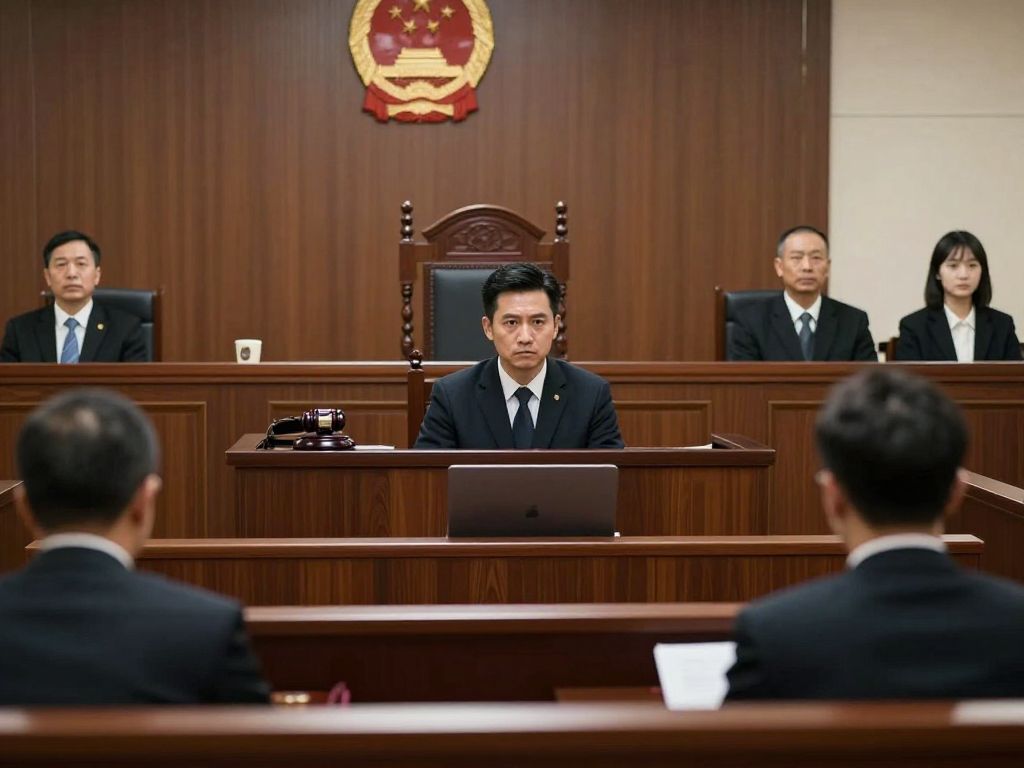
A recent development in an Horry County murder case involves an appeal by the solicitor’s office regarding a defendant granted immunity under South Carolina’s ‘Stand Your Ground’ law. The case, originating from a shooting incident in Surfside Beach, raises significant questions about self-defense statutes and their implications. The appeal aims to scrutinize the initial ruling that deemed the shooting justifiable, reflecting broader legal challenges surrounding the interpretation of these laws in the state. This situation underscores the complex interactions between legal frameworks and human consequences.
Surfside Beach, Horry County
A Horry County murder case where a defendant was granted immunity under the state’s “Stand Your Ground” law is currently being appealed by the solicitor’s office. This legal challenge, emerging in the past forty-eight hours, focuses on the application of a statute designed to protect individuals who use deadly force in self-defense, casting a quiet light on the profound complexities inherent in such matters of life and law.
The individual charged with murder in a shooting death that occurred in Surfside Beach was initially granted immunity, a decision that has now prompted the solicitor to pursue an appeal. The appeal seeks to re-examine the circumstances that led to the initial ruling, which deemed the shooting justifiable under South Carolina’s “Stand Your Ground” provisions. Such proceedings, though rooted in the precise language of statutes, invariably touch upon the gravest human consequences, echoing through families and communities with a quiet, enduring reverberation.
Understanding the State-Level “Stand Your Ground” Law
South Carolina’s “Stand Your Ground” law (State-level) permits individuals to use deadly force in self-defense without a duty to retreat, provided they are in a place where they have a right to be and reasonably believe such force is necessary to prevent death or great bodily injury. This legal framework, intended to protect citizens, often becomes the focal point of intense legal scrutiny in homicide and assault cases. The present appeal underscores the ongoing legal discourse surrounding its interpretation and application within the state’s judicial system.
Precedent and Ongoing Legal Challenges
This Horry County appeal is not isolated; it enters a landscape where the state’s “Stand Your Ground” law (State-level) has been, and continues to be, the subject of various legal challenges and appellate reviews across South Carolina. For instance, in April of 2025, a separate case concerning the “Stand Your Ground” law was reported to be currently under appeal to the South Carolina Supreme Court, indicating a persistent effort to clarify its boundaries and ensure its equitable application. Another case, involving M’Andre Racquel Cochran, saw the S.C. Court of Appeals uphold a “Stand Your Ground” ruling in April of 2021, stemming from a 2016 stabbing in Georgetown County. These instances collectively reflect the intricate tapestry of legal interpretation and the persistent search for justice that characterizes such profound disputes.
The state Attorney General, Alan Wilson, in a different context, has previously indicated specific criteria for what falls under “Stand Your Ground,” noting in August of 2025 that chasing someone nine miles with intent to kill them does not align with the self-defense tenets of the law, suggesting premeditated murder. While not directly related to the Horry County appeal, such statements contribute to the broader understanding of how the law is interpreted and when it might apply or not apply, illuminating the careful distinctions the legal system must often draw.
The solicitor’s decision to appeal in the Horry County case reflects a commitment to the diligent review of judicial decisions, especially those concerning the gravest outcomes. It is a reminder that legal processes, while methodical, are also deeply entwined with the unfolding narrative of human lives and the societal demand for clarity and fairness under the law. Each appeal, each re-examination, is a quiet testament to the weight of judgment and the enduring pursuit of what is right, inviting reflection on the deeper human meaning of these events.
Frequently Asked Questions (FAQ)
- What is the latest development in the Horry County murder case?
- A Horry County murder case where a defendant was granted immunity under the state’s “Stand Your Ground” law is currently being appealed by the solicitor’s office.
- Who is appealing the “Stand Your Ground” ruling?
- The solicitor’s office is appealing the “Stand Your Ground” ruling granted to a man charged with murder in a shooting death in Surfside Beach.
- What does South Carolina’s “Stand Your Ground” law entail?
- South Carolina’s “Stand Your Ground” law (State-level) permits individuals to use deadly force in self-defense without a duty to retreat, provided they are in a place where they have a right to be and reasonably believe such force is necessary to prevent death or great bodily injury.
- Have there been other “Stand Your Ground” appeals in South Carolina?
- Yes, in April of 2025, a separate case concerning the “Stand Your Ground” law was reported to be currently under appeal to the South Carolina Supreme Court. Additionally, the S.C. Court of Appeals upheld a “Stand Your Ground” ruling in April of 2021 in a case involving M’Andre Racquel Cochran in Georgetown County.
Key Features of South Carolina’s “Stand Your Ground” Law and Its Application
| Feature | Description | Scope |
|---|---|---|
| No Duty to Retreat | Individuals are not required to retreat from a threat if they are in a place where they have a legal right to be. | State-level |
| Use of Deadly Force | Permits the use of deadly force if there is a reasonable belief that it is necessary to prevent death or great bodily injury. | State-level |
| Immunity from Prosecution | A successful “Stand Your Ground” claim can grant immunity from criminal prosecution. | State-level |
| Judicial Review & Appeals | Rulings on “Stand Your Ground” immunity are subject to judicial review and appeal by prosecuting offices. | State-level |
| Complex Legal Interpretations | The application often involves detailed examination of specific circumstances and intent, leading to varying interpretations in courts. | State-level |
Deeper Dive: News & Info About This Topic
HERE Resources
Former Myrtle Beach Pastor Pleads Not Guilty to Federal Charges
Crime Rates Drop Significantly in Myrtle Beach
Myrtle Beach Thrives with Local Events and Community Spirit
Conway Chapter Marks Half a Century of Community Engagement
Little River’s Walmart Dreams Amidst Golf Community Growth
Ohio Man Claims Strangulation Was Not Murder
South Carolina High School Football Results: Week 8 Update
Meagan Jackson’s Murder Trial Captivates National Attention
Tragic Shooting at Rascal’s Bar in Conway
Tragic Events Rock Myrtle Beach Golf Community

Author: STAFF HERE MYRTLE BEACH
The HERE Myrtle Beach Staff Writers are a collaborative team of journalists, editors, and local contributors passionate about delivering accurate, timely information to the Myrtle Beach community. As part of the HEREcity.com Network, which powers over 100 U.S. city sites including HEREcolumbia.com, our staff draws on collective experience in South Carolina journalism to cover everything from business sales and real estate developments to dining deals and community initiatives. Our Expertise and Background Local Roots in Myrtle Beach Our team includes lifelong Myrtle Beach residents and SC natives with deep knowledge of the area’s history, economy, and culture. We’ve covered key events like the recent developments along the Grand Strand, Myrtle Beach’s tourism and hospitality industry, and growth in local education sectors (e.g., Coastal Carolina University programs). Collective Experience With over 50 combined years in journalism, our staff has backgrounds in print, digital media, and community reporting. We prioritize fact-based stories, drawing from sources like the Myrtle Beach Area Chamber of Commerce, city government records, and on-the-ground interviews. Commitment to Quality Every article is a group effort, involving research, editing, and verification to ensure reliability. We adhere to journalistic standards, citing credible sources and updating content as new details emerge.