
Myrtle Beach, January 16, 2026
A local pier business in Surfside Beach is requesting compensation from the town due to slow surrounding development. This issue highlights the need for effective urban planning in Myrtle Beach, as local businesses struggle amidst regulatory hurdles and economic pressures. The situation underscores the importance of fostering an environment for small businesses to thrive as the region deals with growth challenges.
WHAT’S HAPPENING
What is the main issue prompting a business to seek compensation in Surfside Beach?
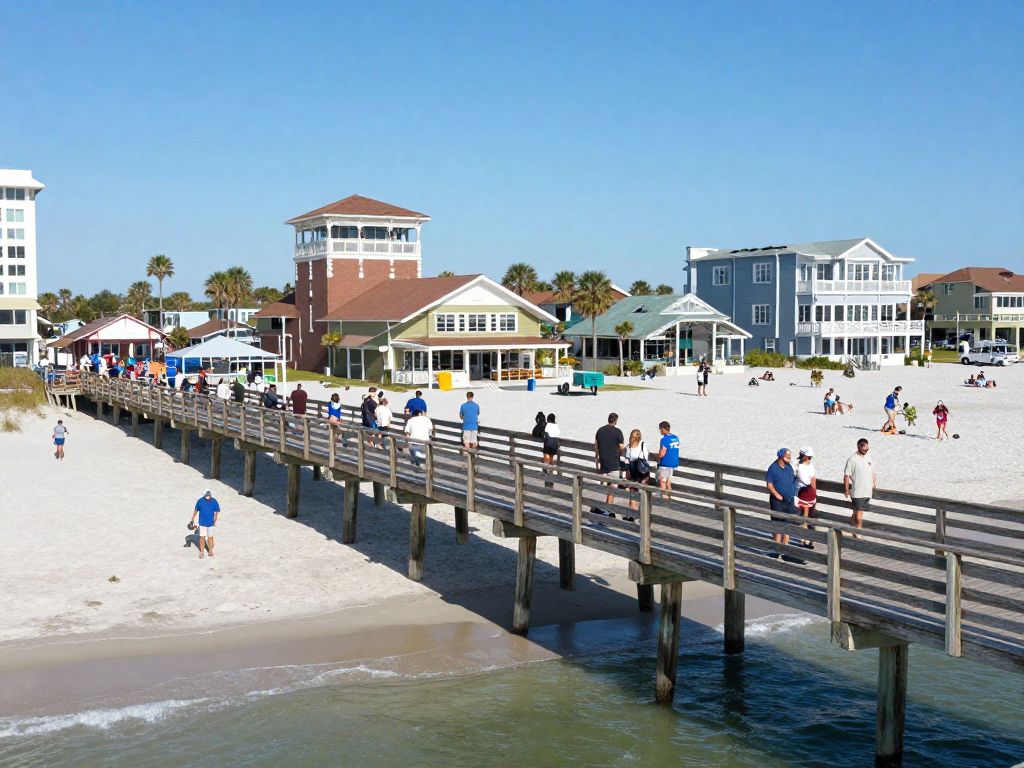
A local pier business in Surfside Beach is seeking compensation from the town because nearby development has not materialized as anticipated, impacting its customer traffic and revenue.
Why are development projects experiencing delays in areas like Myrtle Beach?
Development projects face delays due to intricate regulatory processes, lengthy construction lead times, and the financial complexities inherent in large-scale public works. Nationwide compliance with federal regulations, such as the ADA, also adds to project timelines and costs.
How do these development delays financially impact local businesses?
Delays significantly burden businesses by causing them to incur ongoing costs like rent and utilities while missing out on projected customer bases and revenue targets, leading to reduced profitability. Entrepreneurs often face substantial costs and complexities when navigating various local, county, and state permits.
What is Myrtle Beach doing to support economic growth and address these challenges?
Myrtle Beach is proactively cultivating a diversified economy through its Economic Development Office, Chamber of Commerce, and initiatives like the Arts & Innovation District. They focus on revitalizing the Central Business District, promoting Opportunity Zones, and fostering a tech startup ecosystem.
What role do federal regulations like the ADA play in development projects?
Federal regulations like ADA Title II mandate accessibility for individuals with disabilities in public and commercial facilities, introducing specific design and construction requirements. Integrating these standards early is crucial, as non-compliance can lead to substantial fines, lawsuits, and costly renovations.
Myrtle Beach: Pier Business Seeks Compensation Amidst Lagging Development
Addressing growth challenges and fostering a thriving local economy.
Myrtle Beach, a beacon of entrepreneurial spirit along the South Carolina coast, consistently sees its local businesses adapt and innovate. The vitality of its economy, however, often hinges on a delicate balance between established enterprises and the surrounding development that supports them. Recently, a local pier business in Surfside Beach has initiated a request for compensation from the town, citing concerns over the slow pace of nearby development. This situation highlights the complex interplay between private business interests, community planning, and the broader economic landscape of the region.
This pursuit of compensation underscores the critical need for thoughtful urban planning and efficient regulatory frameworks. As Myrtle Beach continues its impressive population growth, fostering an environment where small businesses can thrive requires proactive strategies that minimize delays and encourage private investment. The strength of our local economy is built on the resilience of these businesses, and ensuring supportive conditions for their success remains a top priority for community leaders and economic development organizations.
The Challenge of Lagging Development
The core of the current discussion revolves around a pier business in Surfside Beach seeking compensation due to surrounding development not materializing as anticipated. This scenario is not unique to coastal communities, where development projects can face numerous hurdles, including lengthy lead times for construction and intricate regulatory processes. Such delays can significantly impact businesses that rely on a vibrant and growing surrounding area for customer traffic and sustained revenue. While a new pier project in Surfside Beach itself involved a substantial budget of over $17 million, a dispute of nearly $500,000 concerning cost responsibility with the contractor indicates the financial complexities inherent in large-scale public works.
The downtown area of Myrtle Beach, for instance, has historically faced challenges in attracting diversified investment, with a significant portion of its economy concentrated in tourism. Between 2002 and 2017, the downtown area experienced a 42% loss of jobs, even as the broader Myrtle Beach area saw population growth. This underscores the importance of strategic development to create a more resilient and varied economic base, moving beyond sole reliance on seasonal tourism.
Navigating Regulations: The ADA and Construction
One nationwide factor that can influence the pace and cost of development projects is compliance with federal regulations such as the Americans with Disabilities Act (ADA). Title II of the ADA mandates that state and local government facilities, along with public accommodations and commercial facilities, be accessible to individuals with disabilities. These regulations ensure inclusivity but also introduce specific design and construction requirements that businesses and municipalities must adhere to.
The 2010 ADA Standards for Accessible Design set minimum technical and scoping requirements for new construction and alterations. Non-compliance can lead to substantial fines, lawsuits, and costly renovations, making early integration of ADA standards into project planning crucial. This requires thorough planning, and sometimes, the engagement of ADA consultants to ensure all aspects of a project meet the necessary accessibility benchmarks, contributing to the overall timeline and budget.
The Economic Impact of Development Delays
Delays in surrounding development can have tangible financial consequences for local businesses. When anticipated growth around an establishment, like a pier, doesn’t materialize, the business may not achieve its projected customer base or revenue targets. This can lead to reduced profitability and, in some cases, necessitate requests for compensation or other forms of relief from local authorities. Nationwide, entrepreneurs often face significant costs, delays, and complexities when starting or expanding a business due to various permits, licenses, and inspections at local, county, and state levels.
The “cost of time” associated with regulatory back-and-forth can be substantial, as businesses incur expenses like rent and utilities while waiting for permits or inspections. These delays can particularly impact small businesses and those from disadvantaged communities, who may struggle with upfront costs before generating any revenue. For coastal areas, rising insurance premiums and maintenance costs, influenced by factors like sea-level rise, also add to the financial pressures on property owners and developers, further complicating development timelines.
Myrtle Beach’s Proactive Approach to Growth
Despite these challenges, Myrtle Beach is actively working to cultivate a robust and diversified economic landscape. The city’s Economic Development Office is focused on revitalizing its Central Business District, promoting Opportunity Zones, and enhancing public infrastructure, including the Myrtle Beach Boardwalk. They also create economic incentive programs and educate businesses on available strategies. The Myrtle Beach Area Chamber of Commerce plays a vital role in supporting small businesses, which constitute 80% of its over 2,200 investors. These efforts are aimed at attracting new businesses, fostering innovation, and creating a skilled workforce beyond the traditional tourism sector.
Initiatives like the Arts & Innovation District are designed to foster innovation and attract entrepreneurs by providing co-working spaces and creating a cultural atmosphere. Furthermore, the Myrtle Beach Regional Economic Development Corporation (MBREDC) leads Horry County’s efforts to attract and retain sustainable businesses, partnering with over 200 local companies to drive economic growth and create jobs. The region is also emerging as a technology hub, bolstered by a robust telecommunications infrastructure, a subsea communication cable, and the eMYRge program at the HTC Aspire Hub, which supports tech startups and entrepreneurs.
Table: Key Features of Development and Business in Myrtle Beach
| Feature | Description | Scope |
|---|---|---|
| Pier Business Compensation Request | Local pier business in Surfside Beach seeking compensation from the town due to lagging surrounding development. | Local |
| Surfside Beach Pier Project Cost | The total cost of the new Surfside Beach pier was over $17 million, with nearly $500,000 disputed over cost responsibility. | Local |
| ADA Title II Regulations | Mandates accessibility for people with disabilities in state and local government facilities, public accommodations, and commercial facilities. | Nationwide |
| ADA Compliance Penalties | Non-compliance can result in fines up to $150,000 for repeat violations, lawsuits, and court-ordered renovations. | Nationwide |
| Downtown Job Loss (2002-2017) | Downtown Myrtle Beach lost 42% of its jobs, despite population growth in the metro area. | Local |
| Economic Diversification Efforts | City’s Economic Development Office promotes Opportunity Zones, infrastructure, and incentive programs; Chamber supports small businesses. | Local |
| Startup Ecosystem Growth | Myrtle Beach is seeing growth in tech startups, including AI, agriculture, and hospitality tech, supported by co-working spaces and accelerators. | Local |
| Impact of Development Delays | Delays cause financial burdens on businesses due to ongoing costs and missed revenue opportunities. | Nationwide |
Conclusion
The request for compensation by a local pier business in Surfside Beach highlights the ongoing challenges that can arise when development expectations meet the realities of complex planning, regulatory requirements, and market dynamics. It serves as a reminder that fostering a robust economy requires continuous effort from both public and private sectors to streamline processes and ensure supportive infrastructure.
Myrtle Beach’s commitment to entrepreneurial innovation, demonstrated through its Economic Development Office, Chamber of Commerce, and initiatives like the Arts & Innovation District, is crucial for building a resilient and diversified economy. As our community evolves, continued dialogue and collaborative solutions between local businesses and government are essential to navigate growth effectively, minimize red tape, and ensure that the Grand Strand remains a prime location for personal achievement and economic prosperity. We encourage all residents and businesses to engage with local economic development initiatives and support the small businesses that form the backbone of our vibrant community.
Deeper Dive: News & Info About This Topic
HERE Resources
Former Pastor Pleads Not Guilty to Cyberstalking Charges
Further Details Emerge in Myrtle Beach Condo Fire
Big Reds End Skid, Conquer Hurricane on the Hardwood
Orcutt and Brown Lead South Charleston to Victory
Myrtle Beach Embraces Competitive Spirit in Sports
Coastal Carolina’s Growing Influence in the Grand Strand
Myrtle Beach Higher Education Expands with CCU and HGTC
Jazz in the Stacks Enriches Myrtle Beach Community Spirit
Don’t Tell Comedy Brings Secret Stand-Up Shows to Myrtle Beach
Empowering Entrepreneurs: The Shift in Nonfiction Publishing

Author: STAFF HERE MYRTLE BEACH
The HERE Myrtle Beach Staff Writers are a collaborative team of journalists, editors, and local contributors passionate about delivering accurate, timely information to the Myrtle Beach community. As part of the HEREcity.com Network, which powers over 100 U.S. city sites including HEREcolumbia.com, our staff draws on collective experience in South Carolina journalism to cover everything from business sales and real estate developments to dining deals and community initiatives. Our Expertise and Background Local Roots in Myrtle Beach Our team includes lifelong Myrtle Beach residents and SC natives with deep knowledge of the area’s history, economy, and culture. We’ve covered key events like the recent developments along the Grand Strand, Myrtle Beach’s tourism and hospitality industry, and growth in local education sectors (e.g., Coastal Carolina University programs). Collective Experience With over 50 combined years in journalism, our staff has backgrounds in print, digital media, and community reporting. We prioritize fact-based stories, drawing from sources like the Myrtle Beach Area Chamber of Commerce, city government records, and on-the-ground interviews. Commitment to Quality Every article is a group effort, involving research, editing, and verification to ensure reliability. We adhere to journalistic standards, citing credible sources and updating content as new details emerge.