
News Summary
The HOSA chapter at Georgetown High School recently organized a vital blood drive, showcasing the impact of student-led initiatives on community health. This event not only addresses the critical need for blood donations but also empowers students to take active roles in fostering civic responsibility and future health careers. With the U.S. requiring blood every two seconds, such initiatives are crucial for maintaining a stable blood supply while providing students with valuable leadership and teamwork experience.
Georgetown
Local Students Step Up: Georgetown High HOSA Chapter Hosts Vital Blood Drive
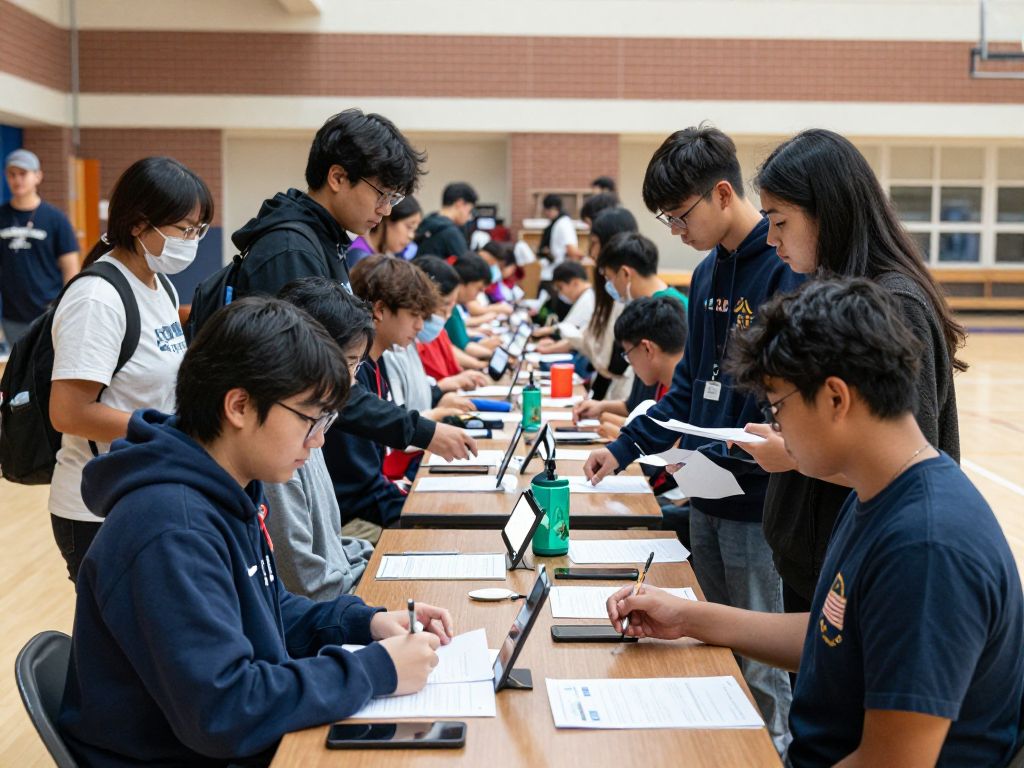
Georgetown High School’s HOSA (Health Occupations Students of America) chapter recently hosted a blood drive, an initiative that not only addresses a critical community need but also exemplifies the power of student-led efforts in fostering personal achievement and civic responsibility. These student-driven events highlight the innovative ways local schools contribute to the well-being of the wider community, demonstrating how empowered young people can make a tangible difference.
In communities across South Carolina and the nation, schools often serve as hubs for crucial public service initiatives. The organization of such events by students, with guidance from educators, showcases a proactive approach to education that extends beyond traditional classroom learning. This spirit of initiative, where students take the reins to tackle real-world challenges, underscores the benefits of allowing local leadership to flourish and minimizing bureaucratic hurdles that can sometimes impede swift action and impactful engagement.
Empowering Future Health Professionals Through Action
HOSA’s mission is to empower future health professionals to become leaders in the global health community through education, collaboration, and experience. By actively promoting career opportunities in the health industry, HOSA aims to enhance the delivery of quality healthcare. The organization provides unique leadership development, motivation, and recognition programs for students interested in health professions.
The blood drive at Georgetown High School is a prime example of HOSA’s mission in action. Students gain hands-on experience in planning, promotion, and recruitment, developing essential project management, teamwork, and communication skills. These experiences are invaluable, offering practical skills that complement academic learning and prepare students for future roles in the healthcare field.
Addressing a Continuous Need for Blood Donations
The need for blood is constant nationwide, with someone in the U.S. requiring blood every two seconds. Blood is essential for patients undergoing surgeries, cancer treatment, managing chronic illnesses, and those who have experienced traumatic injuries. Despite this ongoing demand, only about 3% of age-eligible individuals in the U.S. donate blood each year. This statistic underscores the vital role that high school blood drives play in maintaining a stable blood supply.
One single blood donation has the potential to help save up to three lives, as it can be separated into multiple components like red blood cells, plasma, and platelets. Red blood cells are crucial for trauma victims and surgical patients, while plasma is used for burn victims and those with clotting issues. Platelets, which must be used within just five days, are essential for cancer patients and individuals undergoing organ transplants.
Cultivating Leadership and Community Spirit
High school blood drives offer a mutually beneficial opportunity. Students provide a gift to the community that cannot be artificially manufactured: their blood. In return, students experience firsthand the value of volunteering, community involvement, and altruism. They enhance their leadership skills by planning, promoting, and recruiting for on-campus blood drives. Research indicates that cultivating leadership skills is a process that can be taught and refined through extracurricular activities and community service.
These student-led initiatives also help to build community spirit, bringing people together for a common, life-saving cause. Encouraging peers to participate not only boosts donations but also strengthens the sense of unity and purpose within the school and the broader Georgetown community.
The Impact of Local School Initiatives
Local schools represent a significant reservoir of untapped resources for community building. When local school leadership is empowered, it can effectively reconnect the school and community, leading to enhanced learning opportunities for students and improved attendance rates. Community involvement in schools can also foster optimism among teachers and provide access to learning opportunities that might otherwise be unavailable.
Initiatives like the HOSA blood drive demonstrate how focused local efforts, free from excessive centralized control, can yield substantial benefits for both students and the wider public. By entrusting students with significant responsibilities, schools like Georgetown High are not only educating the next generation but also empowering them to become active, contributing members of society. This local empowerment and the practical application of skills learned are key to fostering academic growth and community resilience.
The Georgetown High School HOSA blood drive is a testament to the dedication of students and educators within Myrtle Beach SC schools. These essential events, driven by student leadership and community spirit, are vital for maintaining a healthy blood supply and developing responsible citizens. By supporting local school initiatives and encouraging student involvement, the South Carolina education system continues to nurture personal achievement and civic engagement within its South Carolina classrooms. We encourage everyone to support such efforts, whether through donation or by advocating for programs that empower young leaders in our community.
Frequently Asked Questions
What is HOSA?
HOSA, or Health Occupations Students of America, is an international career and technical student organization endorsed by the U.S. Department of Education. Its mission is to empower future health professionals to become leaders in the global health community through education, collaboration, and experience, while actively promoting career opportunities in the health industry.
Why are blood drives important?
Blood drives are crucial because there is a constant need for blood donations, with someone in the U.S. needing blood every two seconds. Donated blood is essential for patients undergoing surgeries, cancer treatment, chronic illnesses, and those with traumatic injuries. One donation can help save up to three lives.
What are the benefits for students participating in a blood drive?
Students who organize or participate in blood drives gain hands-on experience in planning, promotion, and recruitment. They develop essential skills such as project management, teamwork, and communication. These experiences foster leadership skills, community involvement, and altruism, preparing them for future roles in healthcare and civic engagement.
How frequently is blood needed in the U.S.?
Every two seconds, someone in the U.S. needs blood.
What is the typical percentage of age-eligible people who donate blood annually in the U.S.?
Only about 3% of age-eligible individuals in the U.S. donate blood each year.
Key Features of the Georgetown High School HOSA Blood Drive
| Feature | Description | Scope |
|---|---|---|
| Organizing Body | Georgetown High School HOSA Chapter | Local |
| Primary Objective | Address critical need for blood donations and foster student leadership. | Local, Nationwide |
| Student Benefits | Development of project management, teamwork, and communication skills; practical experience in healthcare-related initiatives; fostering of leadership and civic responsibility. | Local |
| Community Impact | Contributes to maintaining a stable blood supply; strengthens community spirit and engagement. | Local, Nationwide |
| Blood Need Frequency | Every two seconds, someone in the U.S. needs blood. | Nationwide |
| Donation Impact | One single blood donation can help save up to three lives. | Nationwide |
| Donor Participation Rate | Only about 3% of age-eligible individuals in the U.S. donate blood each year. | Nationwide |
Deeper Dive: News & Info About This Topic
HERE Resources
Coastal Carolina Football Enhances Coaching Staff
Discover Affordable Living in Myrtle Beach’s Coastal Paradise
Myrtle Beach Shaken by Homicide Investigation

Author: STAFF HERE MYRTLE BEACH
The HERE Myrtle Beach Staff Writers are a collaborative team of journalists, editors, and local contributors passionate about delivering accurate, timely information to the Myrtle Beach community. As part of the HEREcity.com Network, which powers over 100 U.S. city sites including HEREcolumbia.com, our staff draws on collective experience in South Carolina journalism to cover everything from business sales and real estate developments to dining deals and community initiatives. Our Expertise and Background Local Roots in Myrtle Beach Our team includes lifelong Myrtle Beach residents and SC natives with deep knowledge of the area’s history, economy, and culture. We’ve covered key events like the recent developments along the Grand Strand, Myrtle Beach’s tourism and hospitality industry, and growth in local education sectors (e.g., Coastal Carolina University programs). Collective Experience With over 50 combined years in journalism, our staff has backgrounds in print, digital media, and community reporting. We prioritize fact-based stories, drawing from sources like the Myrtle Beach Area Chamber of Commerce, city government records, and on-the-ground interviews. Commitment to Quality Every article is a group effort, involving research, editing, and verification to ensure reliability. We adhere to journalistic standards, citing credible sources and updating content as new details emerge.