
Myrtle Beach, January 23, 2026
Myrtle Beach welcomes Mark Kruea as its new mayor, marking a significant leadership transition for the city. His election is viewed as a crucial moment for the community as discussions around his agenda and priorities begin. This change follows the tenure of Brenda Bethune, the city’s first female mayor, and signals a fresh approach to governance aimed at enhancing quality of life and sustainable growth. Residents are hopeful for continued progress in addressing community needs under the new administration.
Myrtle Beach
A New Era of Leadership Commences in Myrtle Beach
Myrtle Beach has recently ushered in a significant change in its civic leadership, welcoming Mark Kruea as its new mayor. This transition marks the first time in several years that the city experiences such a shift at its helm, drawing the community’s attention to the emerging priorities and direction of the new administration. Mayor Kruea’s agenda is currently a central point of discussion as residents look towards the future of their coastal city.
Mayor Kruea secured his position through an election held in November 2025, and his four-year term officially began in January 2026. This inauguration signifies a fresh chapter for Myrtle Beach, following a period of consistent leadership. The orderly transfer of power reflects the enduring democratic processes that underpin local governance, allowing for both continuity and the introduction of new perspectives. The period of transition is a moment for reflection on the city’s past achievements and the aspirations that now shape its unfolding future.
The assumption of office by Mayor Kruea follows the tenure of Brenda Bethune, who served as the city’s mayor, having first been elected in 2017. Her term was notable as she was the first female Mayor of Myrtle Beach. The change in leadership is a natural progression within the civic cycle, carrying with it the quiet weight of public expectation for continued progress and mindful stewardship of the community’s resources and spirit. The daily rhythms of city life, from local commerce to community well-being, are intrinsically linked to the policies and vision articulated by its leadership.
Charting the Course: The New Administration’s Focus
As the new administration takes shape, the discussions surrounding Mayor Kruea’s agenda are naturally intensifying. While specific detailed initiatives are being formulated, the overarching themes are expected to revolve around maintaining and enhancing the quality of life for residents, fostering sustainable economic growth, and thoughtfully addressing the evolving needs of the community. Every new term brings with it the delicate task of balancing established paths with innovative approaches, a process that requires careful consideration and engagement with the diverse voices that comprise the city.
The civic dialogue surrounding the mayor’s priorities is an essential component of local democracy. It is through such measured exchanges that the concerns of the populace are brought to the fore and integrated into the policymaking process. The work ahead involves not only strategic planning but also the quiet, diligent effort of city departments and dedicated individuals, all contributing to the larger tapestry of urban development and community welfare. The expectation is for a steady hand in navigating the complexities inherent in managing a dynamic coastal city, mindful of both its natural beauty and its vibrant human population.
The Rhythms of Governance and Community Expectation
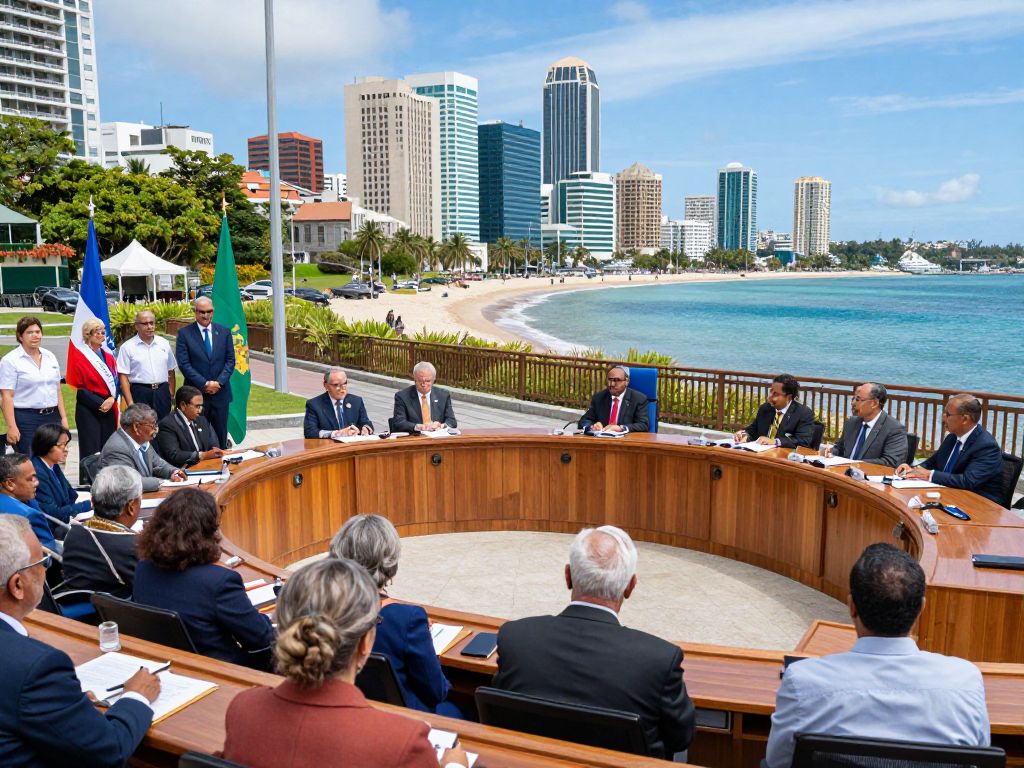
The mechanisms of city governance, such as the City Council meetings, continue their methodical operation, with agendas meticulously advertised 24 hours before scheduled meeting times to ensure transparency and public awareness. These procedural elements underscore the foundational principles of open government, allowing citizens to remain informed and participate in decisions that directly affect their lives. It is in these settings that the mayor’s vision will gradually translate into concrete action, shaped by deliberation and civic discourse.
The journey of a city is a continuous narrative, woven by the decisions of its leaders and the collective spirit of its inhabitants. A new mayoral term, therefore, is not merely a change in personnel but an an opportunity for collective introspection and renewed commitment to shared civic ideals. The promise of progress, both tangible and intangible, remains a quiet hope in the hearts of those who call Myrtle Beach home, trusting that the leadership will attend to the city’s challenges and celebrate its enduring strengths with a thoughtful, pragmatic, and compassionate regard for all. The unfolding weeks and months will steadily reveal the specific contours of this new leadership’s impact, as plans take root and aspirations begin to materialize into the lived reality of the community.
Frequently Asked Questions
- When did Mark Kruea become the new Mayor of Myrtle Beach?
- Mark Kruea began his four-year term as Mayor of Myrtle Beach in January 2026.
- When was Mayor Mark Kruea elected?
- Mark Kruea was elected in November 2025.
- Who was the previous Mayor of Myrtle Beach?
- The previous Mayor of Myrtle Beach was Brenda Bethune.
- What is notable about Brenda Bethune’s term as Mayor?
- Brenda Bethune was first elected in 2017 and was the first female Mayor of Myrtle Beach.
- What is the requirement for advertising City Council meeting agendas in Myrtle Beach?
- An agenda for a City Council meeting must be advertised 24 hours before the scheduled meeting time.
Key Features of Myrtle Beach Mayoral Transition
| Feature | Detail |
|---|---|
| New Mayor | Mark Kruea |
| Election Date | November 2025 |
| Term Start Date | January 2026 |
| Term Duration | Four-year term |
| Predecessor | Brenda Bethune |
| Predecessor’s Noteworthy Achievement | First female Mayor of Myrtle Beach |
| Current Focus | New Mayor’s agenda under discussion |
Deeper Dive: News & Info About This Topic
HERE Resources
Myrtle Beach Weathering Winter Storm Threat: OPCON 2 Activated
A Day’s Temperate Passage in Myrtle Beach
Myrtle Beach Adjusts Course: Ocean Boulevard Businesses Welcome Traffic Plan Changes
Shooting Incident in Myrtle Beach Involves Juveniles
Hartsville Red Foxes Triumph Over North Myrtle Beach Chiefs in Overtime
Arctic Chill Grips Myrtle Beach Area as Temperatures Plunge
Myrtle Beach Welcomes New Mayor Mark Kruea
Man Faces Charges for Attempted Murder in Murrells Inlet
Myrtle Beach Reassesses Tourism Policies Along Ocean Boulevard
Horry-Georgetown Technical College: A Catalyst for Workforce Development

Author: STAFF HERE MYRTLE BEACH
The HERE Myrtle Beach Staff Writers are a collaborative team of journalists, editors, and local contributors passionate about delivering accurate, timely information to the Myrtle Beach community. As part of the HEREcity.com Network, which powers over 100 U.S. city sites including HEREcolumbia.com, our staff draws on collective experience in South Carolina journalism to cover everything from business sales and real estate developments to dining deals and community initiatives. Our Expertise and Background Local Roots in Myrtle Beach Our team includes lifelong Myrtle Beach residents and SC natives with deep knowledge of the area’s history, economy, and culture. We’ve covered key events like the recent developments along the Grand Strand, Myrtle Beach’s tourism and hospitality industry, and growth in local education sectors (e.g., Coastal Carolina University programs). Collective Experience With over 50 combined years in journalism, our staff has backgrounds in print, digital media, and community reporting. We prioritize fact-based stories, drawing from sources like the Myrtle Beach Area Chamber of Commerce, city government records, and on-the-ground interviews. Commitment to Quality Every article is a group effort, involving research, editing, and verification to ensure reliability. We adhere to journalistic standards, citing credible sources and updating content as new details emerge.