
Myrtle Beach, SC, January 30, 2026
This article explores how legal frameworks surrounding beach rental ordinances are shaping the economic landscape in Myrtle Beach. Recent insights into municipal and state law dynamics provide a fascinating look at how these regulations influence public access and the operations of small businesses. With a focus on achieving balance between community interests and sustainable entrepreneurship, Myrtle Beach seeks to foster economic growth while protecting public resources.
WHAT’S HAPPENING
How do legal frameworks impact beach businesses in places like Myrtle Beach?
Define the balance between municipal authority, state law, and entrepreneurial spirit, shaping the economic landscape for public access and small business operations. These frameworks aim to preserve public access and foster an environment where local businesses can thrive without undue regulatory burden.
Can cities be sued over their beach rental rules?
Generally, a city may not be subject to lawsuits over its beach rental ordinances. This immunity stems from specific state statutes that address municipal authority and anticipate a city’s potential anticompetitive role in the market.
What is the role of state law regarding public beach access?
State law, such as Florida’s, often owns the foreshore, defining the first 50 feet past the high tide line as state property. This establishes a fundamental right to public access that local municipalities must respect.
Are there specific rules about tents or vendor conduct on beaches?
In areas like Panama City Beach, no tent ordinances exist to ensure broad public access. However, vendors harassing individuals on a public beach are breaking the law and risk losing their operating privileges.
How do these regulations aim to support economic growth in coastal communities?
Cultivate clear, predictable regulatory environments that empower entrepreneurs to invest and innovate. This approach encourages job creation, attracts private investment, and allows market forces to operate more freely.
Myrtle Beach, SC
Navigating Coastal Commerce: How Legal Frameworks Shape Beach Business
In vibrant coastal communities like Myrtle Beach, the interplay between municipal authority, state law, and entrepreneurial spirit is constantly shaping the economic landscape. Recent insights into legal precedents regarding beach rental ordinances offer a fascinating glimpse into how these dynamics unfold, particularly concerning public access and the operations of small businesses along our cherished shores.
Understanding the boundaries of municipal power and the protections afforded by state statutes is crucial for residents and entrepreneurs alike. These legal frameworks aim to balance community interests, preserve public access to natural resources, and, ideally, foster an environment where local businesses can thrive without undue regulatory burden. For a city, the inability to be sued over certain beach rental ordinances can define how effectively it can manage its coastal assets and support local commerce.
Municipal Powers and Market Dynamics
A significant aspect of coastal governance involves the scope of municipal powers concerning beach rental ordinances. Reports indicate that a city may not be subject to lawsuits over its beach rental ordinances. This stems from specific state statutes that address municipal authority regarding beaches, statutes that anticipated the potential for an anticompetitive role in the market for on-beach services. This suggests a legal framework designed to define the parameters within which cities can operate when regulating activities like beach equipment rentals, potentially protecting them from certain challenges while acknowledging their influence on local market competition.
Public Access and State Law: The Florida Example
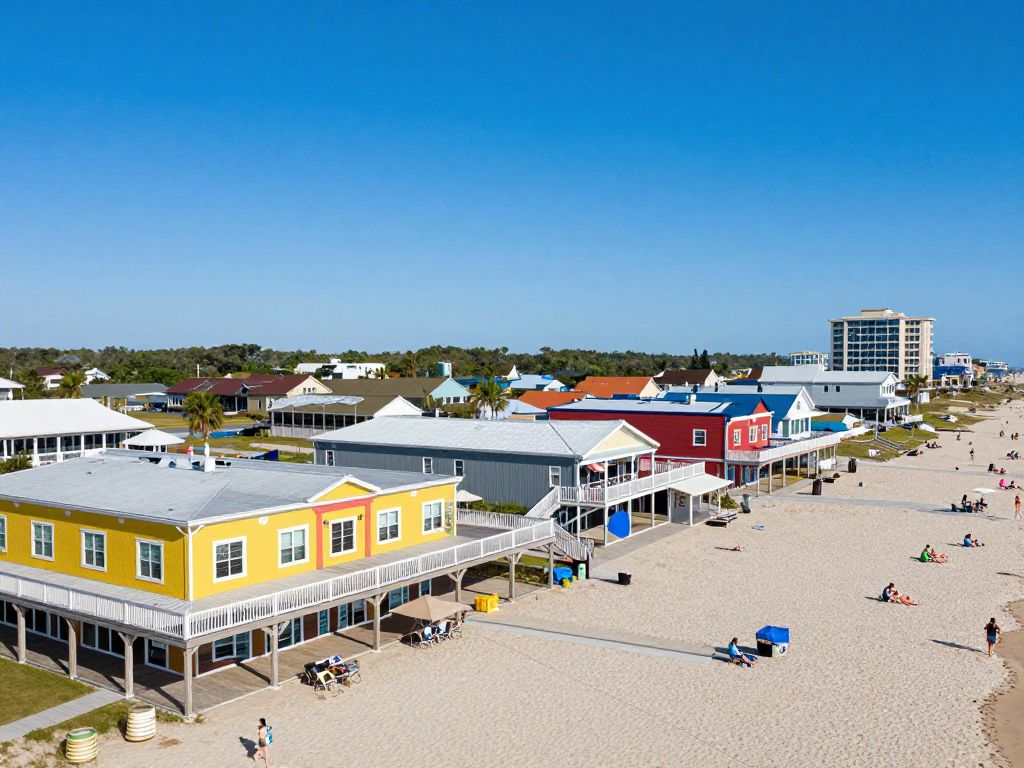
The discussion around beach access and regulation extends to specific examples, such as those seen in Panama City Beach. In that area, there are currently no ordinances, nor have there ever been, regarding tents on the beach. This approach, or lack thereof, highlights a philosophical stance on public beach use. Furthermore, Florida state law stipulates that the first 50 feet past the shoreline at high tide is owned by the state. This emphasizes the importance of state-level declarations in defining public access and usage rights, which can significantly impact how local businesses operate and how individuals enjoy the beach.
The absence of tent ordinances in places like Panama City Beach or Bay County underscores a commitment to broad public access. It also means that any vendor attempting to harass beachgoers is acting unlawfully and risks losing their beach operating privileges. This illustrates how a less restrictive regulatory environment, when coupled with clear enforcement against misconduct, can benefit both the public and responsible entrepreneurs.
Balancing Regulation and Opportunity
For coastal communities like Myrtle Beach, these discussions are highly relevant. While specific ordinances and state laws may differ, the underlying principles of maintaining public access, fostering a fair business environment, and protecting against overreach or harassment remain universal. The ability of a city to navigate its regulatory responsibilities without facing excessive litigation related to beach rental ordinances allows it to focus on promoting economic growth and enhancing the visitor experience.
The emphasis on state law ownership of the foreshore, as seen in Florida, provides a foundation for public access that local municipalities must respect. This foundation can create opportunities for small businesses that provide beach services, provided they operate within the bounds of respectful conduct and do not infringe upon the public’s right to enjoy the beach freely. It encourages an environment where innovation in services can flourish, catering to the needs of tourists and locals alike, without being stifled by unnecessary red tape.
Key Features of Beach Rental Ordinances and Legal Precedents
| Feature | Description | Scope |
|---|---|---|
| City Immunity from Lawsuits | A city may not be sued over its beach rental ordinances due to state statutes addressing municipal powers. | State-level |
| Anticompetitive Role Anticipated | State statutes concerning municipal beach powers anticipated a city’s potential anticompetitive role in the on-beach market. | State-level |
| Absence of Tent Ordinances | No tent ordinances exist or have ever existed in Panama City Beach City or Bay County. | Local (Panama City Beach, FL) |
| State Ownership of Foreshore | Florida state law dictates that the first 50 feet past the shoreline at high tide is owned by the state. | State-level (Florida) |
| Vendor Conduct on Public Beaches | Any vendor harassing individuals on a public beach is breaking the law and risks losing their beach privileges. | Local (Panama City Beach, FL) |
| Rent Control Restrictions | Some areas may have local rent control restrictions or regulations on rent increases and evictions. | Local/State-level (e.g., California, Texas) |
| Rental Unit Requirements | New ordinances can impose requirements on landlords, such as cooling requirements for rental units. | Local (Los Angeles County, CA) |
Fostering Economic Growth in Coastal Communities
The principles highlighted by these legal discussions are crucial for Myrtle Beach SC business and Richland County economy. When municipalities create clear, predictable regulatory environments, they empower South Carolina entrepreneurs and small businesses to invest and innovate. Reduced regulatory burdens, where appropriate, can spur job creation and business success by allowing market forces to operate more freely, attracting private investment, and encouraging community involvement in economic development initiatives.
The goal is to cultivate an environment where the unique appeal of Myrtle Beach—its natural beauty and vibrant community—can be fully leveraged for economic benefit, without stifling the entrepreneurial spirit that drives local prosperity. This involves carefully considering how local ordinances interact with broader state laws to ensure fair competition and widespread access to public resources.
Looking Ahead for Myrtle Beach
The legal landscape surrounding beach rental ordinances is a nuanced but vital component of our coastal economy. By understanding the balance between municipal regulatory powers and state-level protections for public access, Myrtle Beach can continue to foster a robust environment for its small businesses and enhance the experience for its residents and visitors. As our community grows, ongoing attention to these frameworks will ensure that entrepreneurial innovation continues to flourish on our shores.
We encourage our readers to stay engaged with local discussions and support the Myrtle Beach small business community as we collectively work towards a prosperous and vibrant future for our beloved coastal city.
Deeper Dive: News & Info About This Topic
HERE Resources
Myrtle Beach Resort Lawsuit Affects Employee Paychecks
Old South BBQ in Myrtle Beach Starts New Chapter
Cool Clarity Marks Myrtle Beach Weather
Myrtle Beach Events Showcase Community Growth
South Carolina Faces Largest Measles Outbreak in Decades
Myrtle Beach Experiences Growth and Innovation
Myrtle Beach Celebrates 50 Years of Hospitality Innovation
Myrtle Beach’s Coastal Expansion: A Hub for Innovation and Growth
Myrtle Beach Aviation School Achieves National Recognition
Myrtle Beach Park’s Insurance Lawsuit: A Business Challenge

Author: STAFF HERE MYRTLE BEACH
The HERE Myrtle Beach Staff Writers are a collaborative team of journalists, editors, and local contributors passionate about delivering accurate, timely information to the Myrtle Beach community. As part of the HEREcity.com Network, which powers over 100 U.S. city sites including HEREcolumbia.com, our staff draws on collective experience in South Carolina journalism to cover everything from business sales and real estate developments to dining deals and community initiatives. Our Expertise and Background Local Roots in Myrtle Beach Our team includes lifelong Myrtle Beach residents and SC natives with deep knowledge of the area’s history, economy, and culture. We’ve covered key events like the recent developments along the Grand Strand, Myrtle Beach’s tourism and hospitality industry, and growth in local education sectors (e.g., Coastal Carolina University programs). Collective Experience With over 50 combined years in journalism, our staff has backgrounds in print, digital media, and community reporting. We prioritize fact-based stories, drawing from sources like the Myrtle Beach Area Chamber of Commerce, city government records, and on-the-ground interviews. Commitment to Quality Every article is a group effort, involving research, editing, and verification to ensure reliability. We adhere to journalistic standards, citing credible sources and updating content as new details emerge.