
Myrtle Beach, January 30, 2026
The ambitious plan for Tidal Creek Picklehouse, a proposed sports and entertainment complex in Myrtle Beach, has been scrapped due to funding difficulties. The local brewery faced challenges securing capital in the face of rising development costs, underlining the financial uncertainties impacting private investments in the region. Although the project’s cancellation is a disappointment, it highlights the vibrant entrepreneurial spirit in Myrtle Beach, where other pickleball facilities continue to open, indicating a persistent demand for recreational spaces.
WHAT’S HAPPENING
What happened to the Tidal Creek Picklehouse project in Myrtle Beach?
The Tidal Creek Picklehouse project was canceled due to the inability to secure sufficient capital, mainly because escalating construction and development costs significantly widened the funding gap.
What was the vision for Tidal Creek Picklehouse before its cancellation?
Tidal Creek Picklehouse envisioned 12 pickleball courts, a small brewery, a coffee roaster, a full bar, and a craft kitchen, all planned for an abandoned site on Shine Avenue.
How did the local government try to help the Tidal Creek project?
The Myrtle Beach City Council designated the property as abandoned and amended an ordinance to enable Tidal Creek to pursue South Carolina’s unique abandoned building tax credits.
Is the sport of pickleball still expanding in Myrtle Beach despite this project being scrapped?
Thrives: Yes, the enthusiasm for pickleball continues to thrive in Myrtle Beach, with several other new facilities either open, planned, or approved to meet the sport’s rapid growth.
What other pickleball facilities are planned or open in Myrtle Beach?
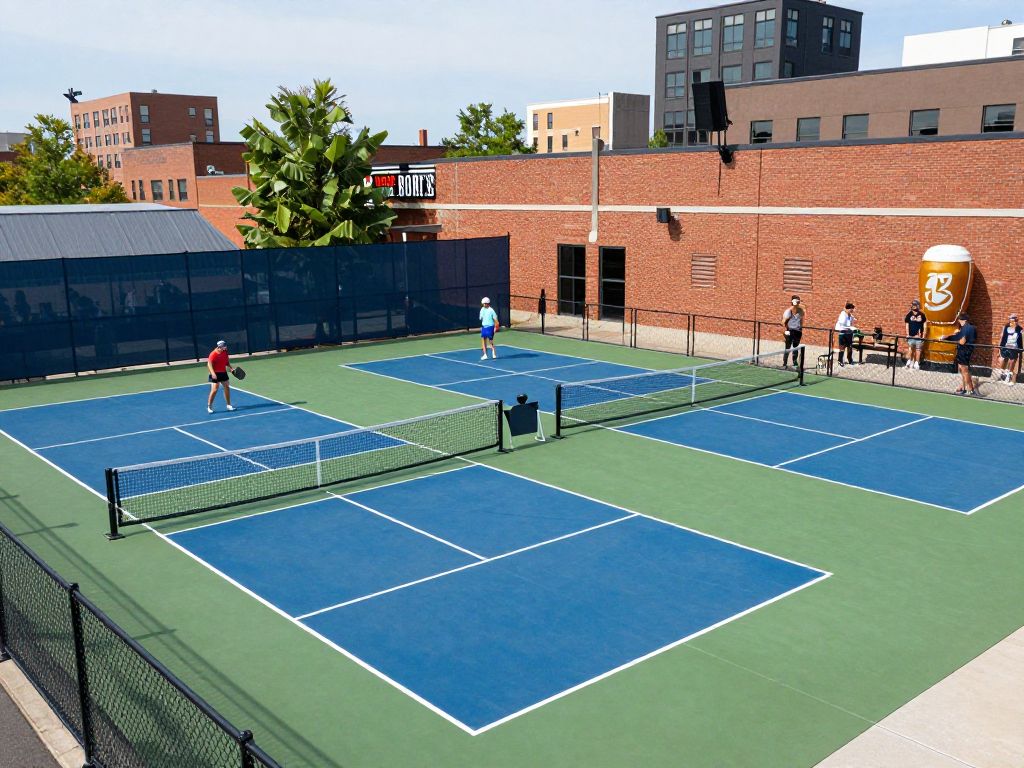
Current and upcoming projects include Bistro B, which is now open with three courts, the Dink District, a 40,000-square-foot indoor facility projected to open in 2026 with 14 courts, and Pickleport Myrtle Beach LLC, approved for 12 indoor and 6 covered outdoor courts.
Myrtle Beach
Myrtle Beach Brewery Scraps Pickleball Project: A Capital Challenge
A local entrepreneur’s vision for an innovative entertainment complex faced funding hurdles, highlighting the realities of development costs in a dynamic market.
Myrtle Beach continues to be a vibrant hub for entrepreneurial innovation, where businesses constantly seek to introduce new experiences and services to the community. The ambition to merge leisure, sport, and hospitality is a testament to the creative spirit driving economic growth in our area. While many projects successfully navigate the complexities of development, others encounter unforeseen challenges, underscoring the critical role of robust financial planning and market conditions.
Recently, a highly anticipated project from a local brewery, which aimed to bring a significant new recreational facility to Myrtle Beach, announced its discontinuation. This decision, though disappointing for enthusiasts and developers alike, provides valuable insights into the intricacies of large-scale private investment and the impact of rising costs on development.
The Ambitious Vision for Tidal Creek Picklehouse
Tidal Creek Brewhouse had envisioned an expansive new venture, “Tidal Creek Picklehouse,” designed to be a premier destination for both sports enthusiasts and social gatherings. The detailed plan for this facility included 12 dedicated pickleball courts, alongside a small brewery, a coffee roaster, a full bar, and a craft kitchen. This innovative concept aimed to create a unique social and recreational hub, offering diverse amenities under one roof. The proposed location for this ambitious project was a property situated on Shine Avenue, which had been declared an abandoned site by the Myrtle Beach City Council in 2022.
Navigating the Financial Landscape
The primary factor leading to the cancellation of the Tidal Creek Picklehouse project was the inability to secure the complete capital required to responsibly move forward. Developers highlighted that escalating construction and development costs significantly widened the gap between the available funding and the total investment needed for the project. This situation underscores the critical importance of a stable and predictable financial environment for private investment, particularly for ventures that aim to revitalize abandoned properties and contribute to local economic growth. The challenge of securing adequate capital in the face of rising expenses is a common hurdle for many entrepreneurial endeavors.
Local Government Support and Incentives
Despite the ultimate discontinuation of the project, local governmental bodies had demonstrated a willingness to support such revitalization efforts. The Myrtle Beach City Council had designated the property on Shine Avenue as abandoned in 2022, paving the way for potential redevelopment. Furthermore, in 2024, the City Council amended an ordinance to enable Tidal Creek to pursue abandoned tax credits for the redevelopment of the property. It is noteworthy that South Carolina stands as the only state in the country to offer abandoned building tax credits to developers, a program that the state legislature has extended through 2035 and for which it has increased the maximum credit available. The resolution to facilitate these tax credits received unanimous approval at a city council meeting, reflecting a collaborative spirit in encouraging economic growth and the transformation of underutilized spaces.
The Broader Pickleball Boom in Myrtle Beach
Even with the cancellation of one project, the enthusiasm for pickleball continues to thrive across Myrtle Beach. The sport’s rapid growth nationwide has spurred numerous other local entrepreneurs and investors to establish new facilities, ensuring that residents and visitors alike will have ample opportunities to engage in this popular activity. For example, Bistro B has opened its doors, featuring three pickleball courts as part of its amenities. Looking ahead, the “Dink District,” a substantial 40,000-square-foot indoor facility, is projected to open in 2026, offering 14 professional-grade courts. Additionally, another significant development, “Pickleport Myrtle Beach LLC,” received approval from the City Council for plans to construct 12 indoor and 6 covered outdoor courts, further diversifying the local offerings for pickleball players. These ongoing projects illustrate the robust market demand and the dynamic spirit of Myrtle Beach small business and South Carolina entrepreneurs in adapting and expanding to meet community needs.
Overview of Myrtle Beach Pickleball Projects
| Project Name | Status | Number of Courts | Additional Features | Key Details |
|---|---|---|---|---|
| Tidal Creek Picklehouse | Scrapped | 12 (planned) | Small brewery, coffee roaster, full bar, craft kitchen (planned) | Cancelled due to capital issues and rising costs. Planned for an abandoned property on Shine Avenue. |
| Bistro B | Open | 3 | Restaurant | Brings a business to a building that had been empty for a decade and a half. |
| Dink District | Planned (2026) | 14 (pro courts) | Entirely enclosed, climate controlled facility | 40,000-square-foot indoor facility. |
| Pickleport Myrtle Beach LLC | Approved by City Council | 12 (indoor), 6 (covered outdoor) | Food and beverages, entertainment (planned) | Aims to serve locals and tourists. |
Sustaining Economic Growth and Community Engagement
The experience of the Tidal Creek Picklehouse project serves as a reminder that even the most innovative and community-focused entrepreneurial endeavors can face significant hurdles. It underscores the critical importance of a strong financial foundation and adaptability in the face of market fluctuations, particularly rising construction costs. However, the broader landscape of pickleball development in Myrtle Beach SC business demonstrates the resilience and dynamism of our local economy.
Myrtle Beach’s economic growth is continuously fueled by the dedication of South Carolina entrepreneurs and private investment, which consistently seek opportunities to enhance our community. Initiatives by local government, such as offering abandoned building tax credits, are vital in encouraging redevelopment and fostering a supportive environment for businesses. We encourage our readers to continue supporting local businesses and stay engaged in the ongoing discussions and developments that shape Myrtle Beach’s vibrant economic future.
Deeper Dive: News & Info About This Topic
HERE Resources
Myrtle Beach Sees Boost in Senior Care Services
Myrtle Beach Experiences Growth and Innovation
Myrtle Beach’s Coastal Expansion: A Hub for Innovation and Growth
Myrtle Beach Considers Zoning Changes for Drive-Thrus
Myrtle Beach’s Culinary Surge: A Testament to Entrepreneurial Drive
Coastal Carolina University Enhances Campus Facilities
Myrtle Beach Celebrates New Year with Community Events
Unveiling the Winter Charm of Myrtle Beach
Myrtle Beach Launches Innovative Virtual Run
New Golf Venue PicklePort to Open in Myrtle Beach 2026

Author: STAFF HERE MYRTLE BEACH
The HERE Myrtle Beach Staff Writers are a collaborative team of journalists, editors, and local contributors passionate about delivering accurate, timely information to the Myrtle Beach community. As part of the HEREcity.com Network, which powers over 100 U.S. city sites including HEREcolumbia.com, our staff draws on collective experience in South Carolina journalism to cover everything from business sales and real estate developments to dining deals and community initiatives. Our Expertise and Background Local Roots in Myrtle Beach Our team includes lifelong Myrtle Beach residents and SC natives with deep knowledge of the area’s history, economy, and culture. We’ve covered key events like the recent developments along the Grand Strand, Myrtle Beach’s tourism and hospitality industry, and growth in local education sectors (e.g., Coastal Carolina University programs). Collective Experience With over 50 combined years in journalism, our staff has backgrounds in print, digital media, and community reporting. We prioritize fact-based stories, drawing from sources like the Myrtle Beach Area Chamber of Commerce, city government records, and on-the-ground interviews. Commitment to Quality Every article is a group effort, involving research, editing, and verification to ensure reliability. We adhere to journalistic standards, citing credible sources and updating content as new details emerge.