
South Carolina Horse Confirmed Positive for West Nile Virus
In recent equine health news, a 19-year-old Quarter Horse gelding in Charleston County, South Carolina has tested positive for the West Nile virus (WNV). Confirmed on February 2, the unvaccinated horse has been euthanized to prevent further contamination and suffering.
Understanding West Nile Virus in Horses
West Nile Virus (WNV) is a disease transmitted to horses via mosquito bites. Not all horses infected with the WNV show overt clinical signs. However, those that do may exhibit several symptoms, including but not limited to:
- Flulike symptoms such as mild anorexia and depression
- Fine and coarse muscle and skin fasciculations, or involuntary twitching
- Hyperesthesia – hypersensitivity to touch and sound
- Changes in mental activity where horses appear daydreaming or “just not with it”
- Occasional drowsiness
- Propulsive walking, which is often uncontrollable
- Spinal signs such as asymmetrical weakness and ataxia, which may be asymmetrical or symmetrical
Regrettably, there is currently no cure for WNV, although some horses can recover with supportive care. Mortality rates among equine cases can reach a staggering 30-40%.
Prevention Through Vaccinations and Proper Care
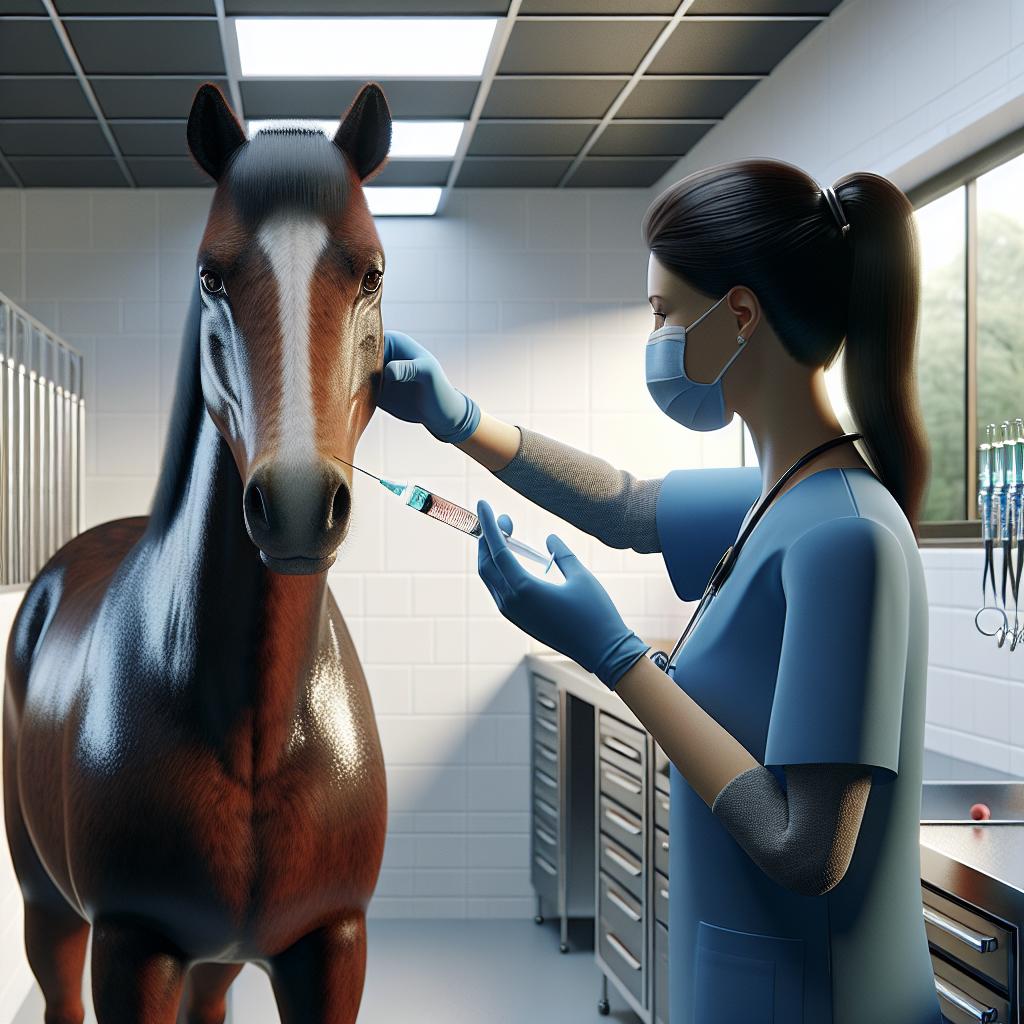
Studies have shown that vaccinations can be a highly effective method of preventing WNV in horses. Horses that have been previously vaccinated require an annual booster shot, although some veterinarians might recommend two shots annually – one in spring and another in the fall – in areas with prolonged mosquito seasons. Horses that have not been previously vaccinated will require a two-shot vaccination series over a three- to six-week period optimizing the immune response.
It should be noted that it does take several weeks for horses to develop adequate protection against WNV after a complete vaccination or administration of a booster.
Mosquito Control
In addition to vaccinations, horse owners should be proactive in implementing measures to reduce mosquito populations and breeding areas and limit horses’ exposure to mosquitoes. These measures can include:
- Elimination of stagnant water sources
- Regular cleaning and refilling water buckets and troughs
- Limiting horses’ outdoor time during peak mosquito feeding times, typically early morning and evening
- Applying mosquito repellents approved for equine use
Takeaway
The recent case in South Carolina highlights the importance of WNV vaccinations and mosquito population control in the equine community. Through proactive and responsible horse care, we can reduce the risk of WNV and protect the health and well-being of our equine friends.


Author: STAFF HERE MYRTLE BEACH
The HERE Myrtle Beach Staff Writers are a collaborative team of journalists, editors, and local contributors passionate about delivering accurate, timely information to the Myrtle Beach community. As part of the HEREcity.com Network, which powers over 100 U.S. city sites including HEREcolumbia.com, our staff draws on collective experience in South Carolina journalism to cover everything from business sales and real estate developments to dining deals and community initiatives. Our Expertise and Background Local Roots in Myrtle Beach Our team includes lifelong Myrtle Beach residents and SC natives with deep knowledge of the area’s history, economy, and culture. We’ve covered key events like the recent developments along the Grand Strand, Myrtle Beach’s tourism and hospitality industry, and growth in local education sectors (e.g., Coastal Carolina University programs). Collective Experience With over 50 combined years in journalism, our staff has backgrounds in print, digital media, and community reporting. We prioritize fact-based stories, drawing from sources like the Myrtle Beach Area Chamber of Commerce, city government records, and on-the-ground interviews. Commitment to Quality Every article is a group effort, involving research, editing, and verification to ensure reliability. We adhere to journalistic standards, citing credible sources and updating content as new details emerge.