
Myrtle Beach, February 7, 2026
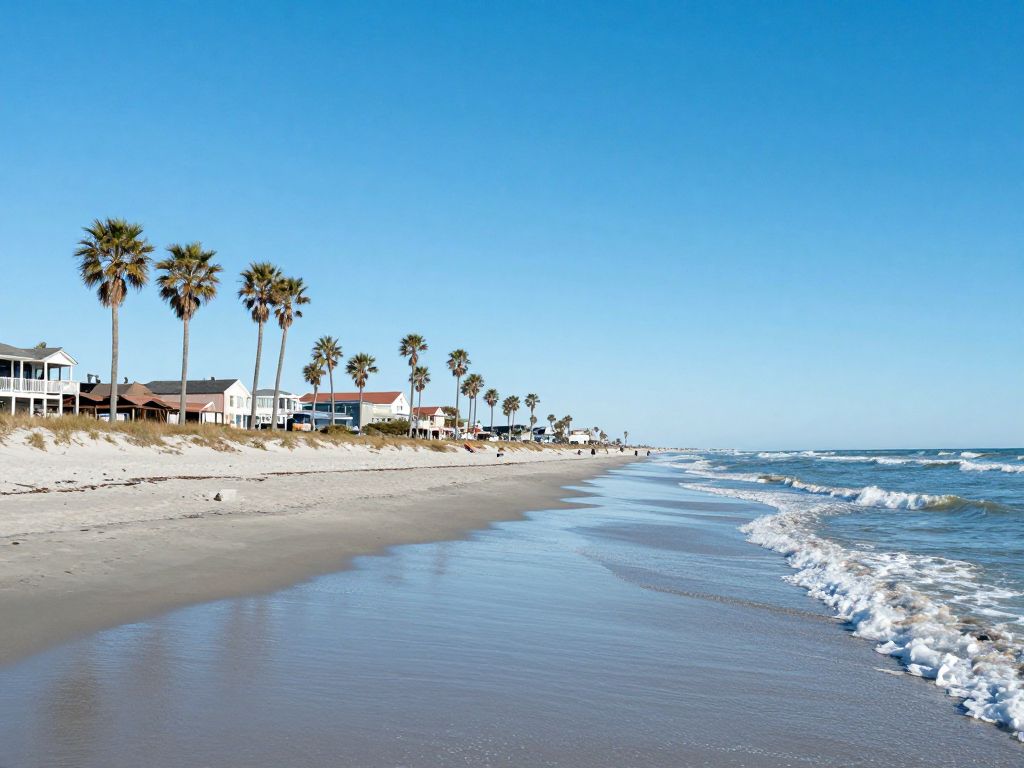
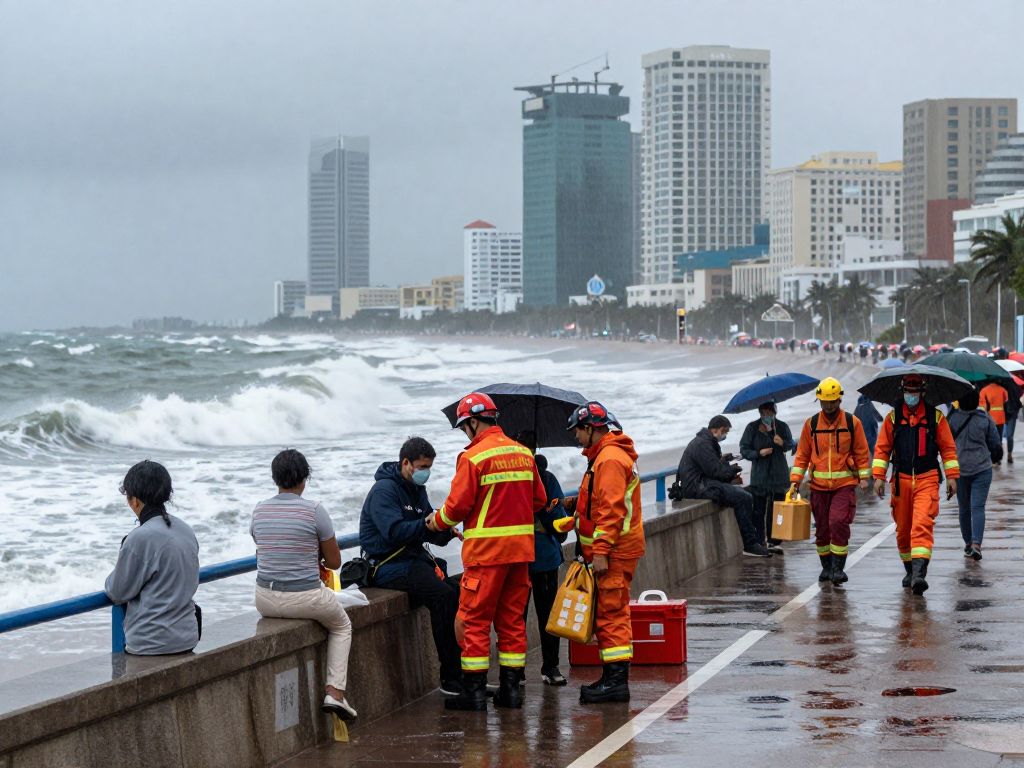
A powerful Nor’easter and bomb cyclone recently impacted Myrtle Beach, resulting in a significant rise in emergency lockouts. As storm conditions escalated, many residents found themselves needing assistance to regain access to their homes and vehicles. This weather event not only showcased the intense natural forces but also highlighted the community’s resilience in responding to increased calls for help during this challenging time.
Myrtle Beach
A powerful Nor’easter and bomb cyclone storm has recently swept through the Carolinas, leading to a notable spike in emergency lockouts in Myrtle Beach. The severe weather event, which reached a significant point around 8:00 PM on February 6, 2026, brought intense conditions to coastal communities, compelling many to seek assistance with gaining entry to their homes and vehicles.
The storm’s passage has left in its wake not only the physical evidence of its fury but also a human inconvenience, manifested in the increased calls for emergency lockout services. As the winds howled and the rain or wintry mix fell, individuals found themselves stranded outside, perhaps due to keys lost in the tumult, or locks frozen and jammed by the unusual cold and moisture. The immediate concern for warmth and shelter becomes paramount in such moments, and the swift response of local services becomes a quiet testament to a community’s resilience in the face of nature’s formidable power.
Understanding the Storm’s Nature
The meteorological phenomenon described as both a Nor’easter and a bomb cyclone signifies a particularly potent weather system. A Nor’easter is a macro-scale extratropical cyclone in the western North Atlantic Ocean, primarily affecting the East Coast of the United States and Atlantic Canada. These storms are named for the strong northeasterly winds that blow them ashore, often bringing heavy rain or snow, strong winds, and rough seas.
A bomb cyclone, or bombogenesis, refers to a mid-latitude cyclone that rapidly intensifies, dropping at least 24 millibars of atmospheric pressure in 24 hours. This rapid intensification can lead to extremely powerful winds, heavy precipitation, and significant coastal impacts, including storm surges and erosion. The combination of these two characteristics results in a storm capable of causing widespread disruption and requiring considerable human adjustment.
Local Impact and Human Response
In Myrtle Beach, a community familiar with coastal weather, the recent events have underscored the often-unseen vulnerabilities that arise during severe conditions. The increased demand for emergency lockout services illustrates a direct, human-scale consequence of the storm. It speaks to individuals caught unaware, or perhaps underestimating the swift onset of the weather’s more challenging aspects. Each lockout represents a small moment of distress, a person seeking refuge or simply trying to return to the comfort of their own space amidst the storm’s dominion. The provision of aid in these circumstances, often by those who brave the same elements, quietly reaffirms the enduring bonds within a community.
While the precise numbers of emergency lockouts are still being compiled, the reported “spike” suggests a significant deviation from typical service calls, reflecting the direct and immediate challenge posed by the storm. Such an increase often strains local resources, yet the continued operation of these essential services ensures that individuals are not left without recourse during trying times.
A Broader Context of Weather Events
This recent storm in the Carolinas echoes past significant weather patterns that have impacted coastal regions. In January 2022, for instance, a bomb cyclone was forecasted to bring a powerful Nor’easter to Northeast cities, while a rare ice storm was poised to affect Carolina beaches, including Myrtle Beach. These historical patterns provide a larger frame through which to view the current event, reminding us of the cyclical nature of powerful coastal weather and the ongoing necessity for preparedness and responsive action. The human story within these large-scale meteorological events often resides in the small, personal struggles and the quiet, persistent efforts to overcome them.
Frequently Asked Questions
What type of storm recently affected the Carolinas and Myrtle Beach?
A powerful Nor’easter and bomb cyclone storm recently swept through the Carolinas, significantly impacting Myrtle Beach.
When did the storm reach a significant point in its impact?
The storm reached a significant point around 8:00 PM on February 6, 2026.
What specific local impact did the storm have in Myrtle Beach?
The storm led to a notable spike in emergency lockouts in Myrtle Beach.
What is a Nor’easter?
A Nor’easter is a macro-scale extratropical cyclone in the western North Atlantic Ocean, known for bringing strong northeasterly winds, heavy rain or snow, and rough seas to the East Coast of the United States and Atlantic Canada.
What is a bomb cyclone?
A bomb cyclone, or bombogenesis, describes a mid-latitude cyclone that rapidly intensifies, characterized by a drop of at least 24 millibars of atmospheric pressure in 24 hours, leading to powerful winds and heavy precipitation.
Key Features of the Nor’easter and Bomb Cyclone in Carolinas
| Feature | Description | Scope |
|---|---|---|
| Event Type | Powerful Nor’easter and Bomb Cyclone Storm | State-level (Carolinas) |
| Primary Location Affected (Storm) | Carolinas | State-level |
| Local Impact Location | Myrtle Beach | Local-level |
| Date of Significant Impact | February 6, 2026, 8:00 PM | Local/State-level |
| Observed Consequence | Spike in emergency lockouts | Local-level (Myrtle Beach) |
| Nor’easter Characteristics | Strong northeasterly winds, heavy precipitation (rain/snow), rough seas | Nationwide (general definition) |
| Bomb Cyclone Characteristics | Rapid intensification (≥24 millibars pressure drop in 24 hours), powerful winds, heavy precipitation | Nationwide (general definition) |
Deeper Dive: News & Info About This Topic
HERE Resources
Windows Users Facing Ticket Challenges on TicketMaster
TicketMaster Users Face ‘Error 401 Not Allowed’ When Buying Tickets
Technical Glitch Causes Stress for Physicians During ABPN Certification Exams

Author: STAFF HERE MYRTLE BEACH
The HERE Myrtle Beach Staff Writers are a collaborative team of journalists, editors, and local contributors passionate about delivering accurate, timely information to the Myrtle Beach community. As part of the HEREcity.com Network, which powers over 100 U.S. city sites including HEREcolumbia.com, our staff draws on collective experience in South Carolina journalism to cover everything from business sales and real estate developments to dining deals and community initiatives. Our Expertise and Background Local Roots in Myrtle Beach Our team includes lifelong Myrtle Beach residents and SC natives with deep knowledge of the area’s history, economy, and culture. We’ve covered key events like the recent developments along the Grand Strand, Myrtle Beach’s tourism and hospitality industry, and growth in local education sectors (e.g., Coastal Carolina University programs). Collective Experience With over 50 combined years in journalism, our staff has backgrounds in print, digital media, and community reporting. We prioritize fact-based stories, drawing from sources like the Myrtle Beach Area Chamber of Commerce, city government records, and on-the-ground interviews. Commitment to Quality Every article is a group effort, involving research, editing, and verification to ensure reliability. We adhere to journalistic standards, citing credible sources and updating content as new details emerge.