
Myrtle Beach, SC, February 8, 2026
News Summary
Historically Black colleges and universities (HBCUs) in South Carolina and across the nation are focusing on strategic financial planning, student well-being, and athletic excellence to foster resilience and community impact. Institutions like Saint Augustine’s University are navigating financial recovery by implementing new governance models. In South Carolina, the emphasis on experiential learning and community engagement is evident as universities expand academic offerings and support initiatives, reinforcing their role in economic growth and workforce readiness.
Myrtle Beach, SC —
HBCUs Chart Course for Financial Recovery & Growth
Universities nationwide and in South Carolina demonstrate resilience, focusing on strategic governance, student well-being, and athletic excellence to build leadership and community impact.
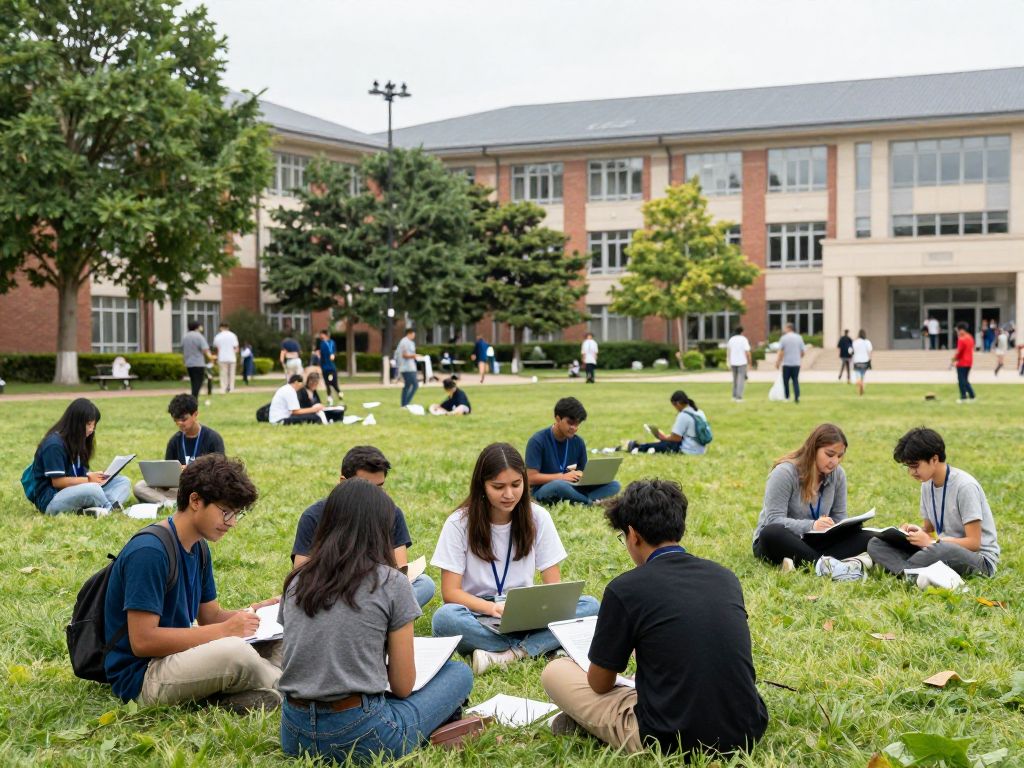
Higher education institutions in South Carolina and across the nation are actively navigating dynamic environments, focusing on sustained growth, financial stability, and impactful community engagement. This dedication is particularly clear within historically Black colleges and universities (HBCUs), which are embracing new governance models and strategic financial planning to ensure long-term prosperity and continued contributions to the educational and economic fabric of their communities. The commitment to academic rigor, student development, and institutional excellence remains paramount, reflecting the core values that drive these institutions forward. These efforts highlight the importance of adaptability and visionary leadership in the contemporary collegiate landscape, solidifying the role of higher education in fostering a well-prepared workforce and engaged citizenry.
The pursuit of academic freedom and personal responsibility is a guiding principle for many institutions, shaping initiatives that support both scholarly pursuits and the holistic development of students. As universities adapt to evolving challenges, their efforts underscore the enduring importance of education in building strong leaders and vibrant communities, reinforcing South Carolina’s position within the national higher education landscape. Locally, institutions like Coastal Carolina University continue to expand academic offerings and enhance safety protocols, reflecting a broader commitment to student success and campus well-being.
Strategic Financial Planning and Fiscal Health
Institutions are prioritizing sound fiscal management and forward-looking strategies to secure their financial health. Saint Augustine’s University, an HBCU, is reportedly moving into a new phase of governance and financial planning, signaling its commitment to financial recovery. This strategic shift follows several turbulent years for the Raleigh-based HBCU, which included heightened scrutiny from the Southern Association of Colleges and Schools Commission on Colleges (SACSCOC) due to declining finances and accreditation challenges. In November 2024, Saint Augustine’s University announced significant reductions, cutting about half of its workforce and discontinuing certain programs to reduce expenses by approximately $17 million. These deliberate actions by the Board of Trustees aim to strengthen oversight and establish a framework for renewal ahead of the 2026–2027 academic year. This proactive approach to financial stewardship reflects a dedication to discipline and sustainable growth, emphasizing the personal responsibility of university leadership to ensure institutional longevity.
In a move reflecting state-level fiscal responsibility, Governor Henry McMaster unveiled his Executive Budget for fiscal year 2025-2026 on January 13, 2025. This budget prioritizes fiscal stability, which directly impacts the funding environment for higher education institutions throughout South Carolina. Such state-level commitments are crucial in supporting the autonomy and innovative capacity of colleges and universities, fostering an environment where institutions can thrive and contribute to the state’s economic vitality.
Navigating Philanthropy and Due Diligence
While financial recovery and strategic planning are underway, institutions also encounter complexities in securing significant funding. Philanthropic contributions play a crucial role in advancing academic programs and research initiatives. However, the process demands rigorous scrutiny and transparent practices. A noteworthy nationwide example of the challenges in large-scale philanthropy occurred when Florida A&M University (FAMU) announced in May 2024 that it ceased contact with a donor after scrutiny regarding a previously announced “transformative” $237 million donation. This event highlights the importance of thorough vetting and ethical considerations in major fundraising efforts, underscoring the responsibility universities hold to their stakeholders and the public trust placed in them. Maintaining integrity in financial dealings is a cornerstone of academic excellence and institutional credibility.
Athletic Prowess and Student-Athlete Resilience
Collegiate athletics continues to be a powerful platform for leadership development and community impact, frequently bringing national attention to universities and fostering a sense of discipline and teamwork. The Celebration Bowl TV ratings for HBCU football saw their best performance in years on December 17, 2025, demonstrating the significant and growing nationwide appeal of these athletic programs. This heightened visibility not only celebrates the talent and hard work of student-athletes but also strengthens the brand and reach of HBCU institutions, contributing to their overall economic impact. Nationally, HBCUs collectively generate a $16.5 billion impact on the U.S. economy and support over 136,000 jobs, with their graduates expecting $146 billion in work-life earnings. In South Carolina, the state’s eight HBCUs contribute significantly, generating $463 million in total economic impact and supporting 4,985 jobs, along with $5.2 billion in lifetime earnings for their graduates.
Beyond team achievements, individual student-athletes often embody extraordinary resilience and personal responsibility. Sophomore Czavian “Zae” Teasett, an HBCU quarterback, is facing a significant personal challenge, embarking on a difficult road to recovery following a life-altering spinal cord injury. He is currently raising money for spinal cord surgery. Teasett’s journey exemplifies the strength of character fostered within collegiate sports and draws support from a wider community invested in his well-being, showcasing how collegiate athletics builds leadership and community impact. Institutions like the University of South Carolina Upstate are also expanding athletic opportunities, such as adding women’s flag football as its 18th varsity sport, reflecting a commitment to broad student engagement and development.
Embracing Experiential Learning and Community Impact
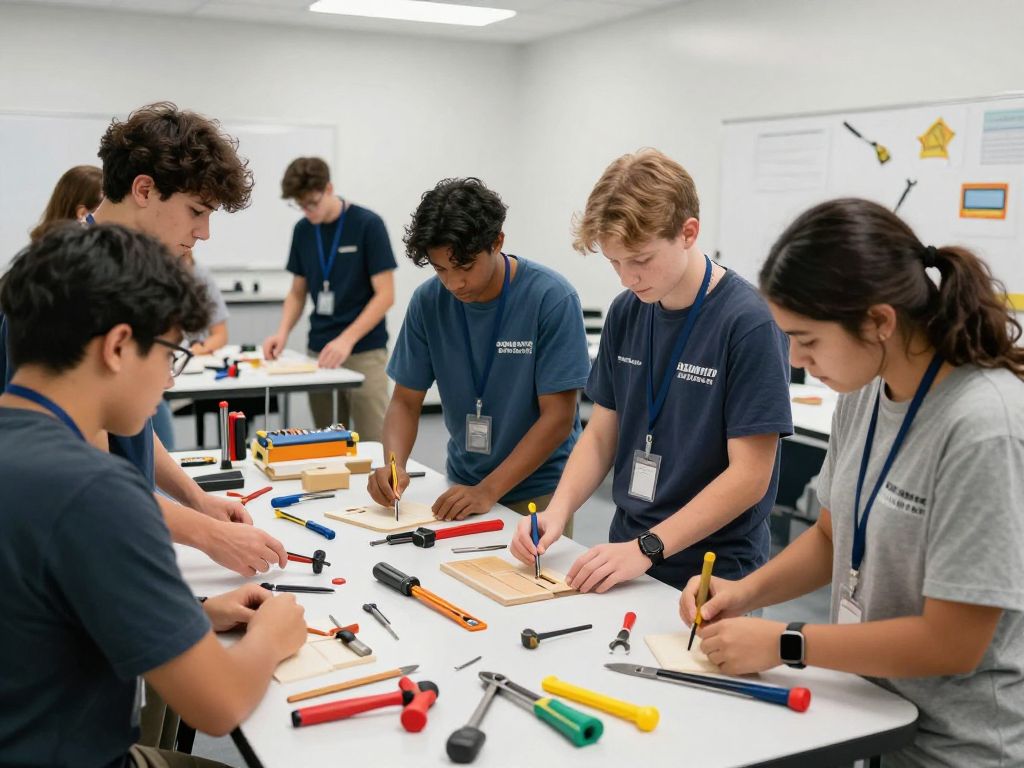
Universities are increasingly emphasizing experiential learning and community engagement as integral components of a comprehensive education. This approach prepares students not just academically, but also as responsible citizens and future leaders, fostering innovation and a deeper understanding of real-world challenges. For instance, students from Duke University spent their spring break in Western North Carolina, actively participating in Hurricane Helene recovery efforts. This initiative highlights the value of hands-on service and its tangible impact on affected communities, instilling a sense of civic duty and practical problem-solving. Such engagements reinforce the importance of personal responsibility and the direct positive influence education can have beyond campus boundaries.
Similarly, Warren Wilson College champions a model where students don’t just learn theories but actively “do” it, emphasizing that graduates will say they’ve “done it,” rather than just learned it. This commitment to practical application and real-world experience reflects a belief that true education extends beyond the classroom. Institutions across South Carolina, including South Carolina State University, also offer robust student support initiatives through their Student Success Centers, providing academic advising, peer tutoring, and other resources to ensure students reach their full potential. These programs, and efforts such as the South Carolina Tuition Grants Program, aim to expand access and promote choice in higher education for eligible students.
| Impact Area | Nationwide (HBCUs) | South Carolina (8 HBCUs) | Scope |
|---|---|---|---|
| Total Economic Impact | $16.5 billion | $463 million | Nationwide, State-level |
| Total Employment Impact | 136,048 jobs | 4,985 jobs | Nationwide, State-level |
| Lifetime Earnings for Graduates | $146 billion (for 2021 graduates) | $5.2 billion (for 2014 graduates) | Nationwide, State-level |
Investing in the Future of South Carolina Higher Education
The collective efforts of South Carolina’s higher education institutions, particularly HBCUs, are central to the state’s continued development. By prioritizing sound financial management, fostering environments of academic freedom, and supporting student-athletes in their pursuit of excellence and recovery, these universities are building a robust foundation for future generations. The integration of community service and experiential learning further enriches the educational experience, preparing graduates to make meaningful contributions to both local and global communities. These institutions exemplify the discipline and innovation necessary to address modern challenges while preparing students to be leaders of tomorrow.
As these institutions continue to innovate and adapt, they reinforce the critical role that education plays in shaping leaders, driving economic progress, and strengthening societal bonds within South Carolina and beyond. Readers are encouraged to explore the diverse programs offered by local universities, attend campus events, and stay informed about the dynamic advancements within the Myrtle Beach SC college news and South Carolina higher education communities. This ongoing engagement supports the vital work of these institutions and celebrates their enduring impact, highlighting how they contribute to strong communities and a vibrant future. Key areas of focus include HBCU financial recovery efforts and the broad collegiate athletics impact on student development and community pride. Furthermore, robust student support initiatives ensure that all learners have the resources needed to succeed.
FAQ Section
- What are HBCUs in South Carolina doing to achieve financial recovery?
- Saint Augustine’s University, an HBCU, is moving into a new phase of governance and financial planning, having undertaken significant reductions in workforce and programs to cut expenses by approximately $17 million, following scrutiny over declining finances and accreditation challenges.
- What is the nationwide economic impact of HBCUs?
- Nationwide, HBCUs collectively generate a $16.5 billion impact on the U.S. economy, supporting over 136,000 jobs, with their graduates expecting $146 billion in work-life earnings for 2021 graduates.
- What is the economic impact of HBCUs specifically in South Carolina?
- South Carolina’s eight HBCUs generate $463 million in total economic impact, support 4,985 jobs, and account for $5.2 billion in lifetime earnings for their 2014 graduates.
- What is the significance of the Celebration Bowl TV ratings for HBCU football?
- The Celebration Bowl TV ratings for HBCU football saw their best performance in years on December 17, 2025, demonstrating the significant and growing nationwide appeal of these athletic programs.
- How do South Carolina’s state budget priorities affect higher education?
- Governor Henry McMaster’s Executive Budget for fiscal year 2025-2026, unveiled on January 13, 2025, prioritizes fiscal stability, which directly impacts the funding environment for higher education institutions throughout South Carolina.
Deeper Dive: News & Info About This Topic
HERE Resources

Author: STAFF HERE MYRTLE BEACH
The HERE Myrtle Beach Staff Writers are a collaborative team of journalists, editors, and local contributors passionate about delivering accurate, timely information to the Myrtle Beach community. As part of the HEREcity.com Network, which powers over 100 U.S. city sites including HEREcolumbia.com, our staff draws on collective experience in South Carolina journalism to cover everything from business sales and real estate developments to dining deals and community initiatives. Our Expertise and Background Local Roots in Myrtle Beach Our team includes lifelong Myrtle Beach residents and SC natives with deep knowledge of the area’s history, economy, and culture. We’ve covered key events like the recent developments along the Grand Strand, Myrtle Beach’s tourism and hospitality industry, and growth in local education sectors (e.g., Coastal Carolina University programs). Collective Experience With over 50 combined years in journalism, our staff has backgrounds in print, digital media, and community reporting. We prioritize fact-based stories, drawing from sources like the Myrtle Beach Area Chamber of Commerce, city government records, and on-the-ground interviews. Commitment to Quality Every article is a group effort, involving research, editing, and verification to ensure reliability. We adhere to journalistic standards, citing credible sources and updating content as new details emerge.