
Myrtle Beach, February 12, 2026
News Summary
Higher education institutions in the Greater Myrtle Beach area serve as vital anchors for the local economy. They not only provide stable employment and educational opportunities but also significantly contribute through direct and indirect spending. With a focus on workforce development, local colleges ensure that graduates possess the necessary skills for the job market. This dynamic ecosystem fosters economic growth and prosperity, emphasizing the essential role of education in shaping the region’s future.
Myrtle Beach, SC — The higher education institutions within the Greater Myrtle Beach region stand as formidable pillars, significantly influencing not just the intellectual growth of its students but also the economic vitality of the entire community. These institutions transcend their traditional roles, emerging as crucial drivers of regional prosperity and innovation.
For decades, colleges and universities have been widely recognized as anchor institutions of regional economies, similar to hospitals, due to their stable presence and substantial contributions. This foundational role underscores their deep integration into the local economic fabric, fostering a stable environment for employment, spending, and broader development. Their commitment to academic excellence and student success is intrinsically linked to the region’s overall health and future potential.
The continuous evolution and strategic partnerships forged by these educational centers are essential for cultivating a skilled workforce, advancing research, and bolstering the larger South Carolina economic ecosystem. This dynamic interplay between education and the economy is a cornerstone for sustainable progress, emphasizing the institutions’ dedication to both academic rigor and impactful community engagement.
Higher Education as Economic Anchors
In the landscape of regional economic development, higher education institutions, alongside healthcare providers, have demonstrated their enduring significance as anchor institutions. This designation reflects their inherent stability and long-term commitment to the communities they serve. Unlike other businesses that may be transient, universities and colleges are deeply rooted, making sustained investments in infrastructure, employment, and local procurement. This steadfast presence provides a reliable economic base, fostering an environment where discipline and consistent effort yield enduring benefits for the Greater Myrtle Beach area.
Direct and Indirect Economic Contributions
The economic footprint of higher education institutions in the Greater Myrtle Beach region is both extensive and multifaceted. Annually, these institutions contribute substantially to the local economy through various channels. These contributions include direct spending on salaries for faculty and staff, operational expenditures, and significant capital investments in campus facilities. Beyond these direct impacts, a substantial indirect economic effect is generated through student spending on housing, food, transportation, and entertainment, as well as the local purchases made by employees.
The greater Myrtle Beach area, recognized as a metropolitan statistical area by the Census since 2010, benefits immensely from this continuous financial injection and activity. The overall regional economic impact can be quantified in billions, encompassing direct spending, purchases within the supply chain, and the elevated earning potential of graduates. This economic synergy highlights the responsible stewardship of educational resources and their broad community impact.
Workforce Development and Personal Responsibility
A pivotal contribution of local higher education institutions lies in their role in workforce development. Institutions such as Horry-Georgetown Technical College are instrumental in equipping individuals with the practical skills and technical expertise necessary for success in a competitive job market. They offer a wide array of career training options meticulously designed to meet the evolving demands of local businesses and industries. This direct responsiveness ensures that graduates are not only academically proficient but also immediately employable, embodying personal responsibility through skill acquisition.
Collaborations between colleges and regional workforce development initiatives are critical in preparing students for meaningful careers, thereby strengthening the local labor market. This focus on vocational readiness and industry-aligned curricula underscores a commitment to fostering individual growth and contributing to a robust economic ecosystem.
Coastal Carolina University: Cultivating Leadership and Innovation
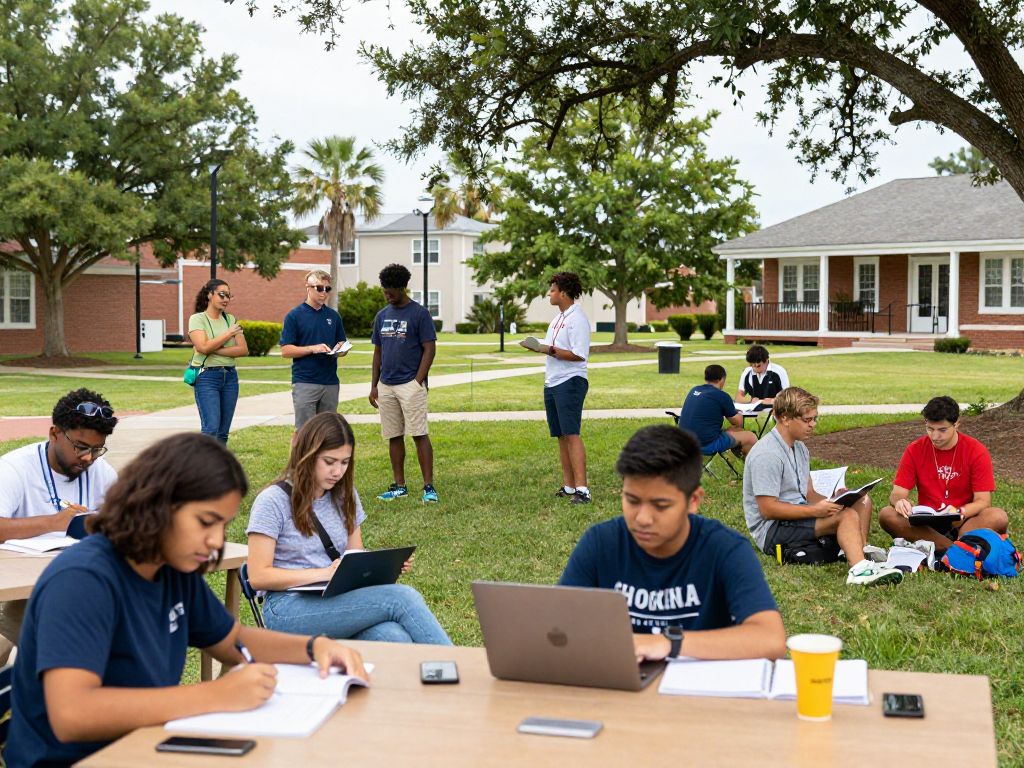
Coastal Carolina University (CCU), situated in Conway just minutes from Myrtle Beach, stands as a beacon of academic freedom and leadership development. The university’s mission extends beyond classroom instruction, actively challenging students to lead boldly and inspiring them to make a tangible difference in their communities. This ethos cultivates not only academic excellence but also critical thinking, ethical decision-making, and innovative problem-solving—qualities essential for future leaders.
CCU’s vibrant campus life, diverse academic programs, and active engagement in research and athletics further enrich the region. The university contributes to the community’s cultural and intellectual landscape, drawing talent and fostering an environment of continuous learning and positive impact.
Regional Prosperity Through Elevated Earning Power
One of the most profound and lasting economic impacts of higher education is the elevation of individual earning power, which, in turn, provides a significant boost to the regional economy. Graduates equipped with specialized knowledge and skills command higher wages, contributing more through consumption, investment, and taxation. This increased financial capacity creates a ripple effect, stimulating local businesses and fostering overall prosperity.
Regional universities, in particular, are acknowledged for their expansive role in driving community and economic development across South Carolina, especially in areas like the I-95 Corridor. This statewide recognition underscores the broad influence of higher education in fostering economic mobility and creating opportunities for upward advancement within the state. Furthermore, Myrtle Beach’s institutions are integral to the City’s and Horry County’s long-term comprehensive development plans, aligning academic objectives with strategic regional growth initiatives.
Summary of Higher Education’s Economic Contributions
The multifaceted contributions of higher education institutions in the Greater Myrtle Beach area are summarized in the table below, highlighting their diverse roles in regional economic development:
| Institution/Category | Key Contribution Focus | Impact on Greater Myrtle Beach Region |
|---|---|---|
| Higher Education Institutions (General) | Anchor of regional economies | Provides a stable, foundational economic base and long-term investment |
| Myrtle Beach Institutions (General) | Direct and Indirect Economic Spending | Substantial annual contributions through salaries, operations, and student/employee expenditures |
| Horry-Georgetown Technical College | Workforce Development & Career Training | Addresses local business needs by providing skilled labor, strengthens local labor market |
| Coastal Carolina University | Academic Excellence, Leadership & Innovation | Cultivates leadership, attracts talent, enriches community through academics, research, and culture |
| Graduates of Higher Education | Elevated Earning Power | Boosts regional economy through increased consumption, investment, and tax contributions |
Conclusion
The colleges and universities of the Greater Myrtle Beach area are truly indispensable assets, acting as powerful engines for both intellectual advancement and economic prosperity. Their crucial function as anchor institutions, delivering substantial direct and indirect economic benefits, coupled with their unwavering commitment to workforce development, solidifies their vital role in shaping the region’s future.
By upholding principles of academic rigor, fostering environments of innovation, and meticulously preparing students for impactful careers, these institutions are not merely educating individuals; they are actively contributing to a more robust, resilient, and thriving South Carolina. Their dedication to student growth and community well-being embodies the values of leadership and personal responsibility.
Readers are encouraged to delve deeper into the diverse academic offerings, pioneering research, and vibrant campus events that characterize Myrtle Beach’s dynamic college community. Staying informed about these institutions means staying connected to the very heart of the region’s progress and the profound impact of higher education on our collective future.
Frequently Asked Questions About Higher Education’s Economic Impact in Myrtle Beach
What is the economic role of higher education institutions in the Greater Myrtle Beach region?
Higher education institutions in the Greater Myrtle Beach region serve as anchor institutions, significantly influencing the local economy through stable employment, spending, and broader development, contributing substantially to regional prosperity.
How do colleges contribute to workforce development in the Greater Myrtle Beach area?
Institutions like Horry-Georgetown Technical College are central to developing a skilled workforce by offering diverse career training options that directly address the needs of local businesses and industries, thereby strengthening the local labor market.
What is Coastal Carolina University’s specific impact on the region?
Coastal Carolina University, located near Myrtle Beach, cultivates leadership and innovation by challenging students to lead boldly and inspiring them to make a difference, contributing to the region’s cultural and intellectual vibrancy.
What is meant by “anchor institutions” in the context of regional economies?
“Anchor institutions” refers to stable, long-term organizations like higher education institutions and hospitals that provide a foundational economic base for their surrounding communities through sustained investments, employment, and local purchasing.
How does higher education contribute to individuals’ earning power and regional prosperity?
Higher education elevates the earning power of individuals, equipping them with specialized knowledge and skills that lead to higher wages, which in turn boosts the regional economy through increased consumption, investment, and tax contributions.
Deeper Dive: News & Info About This Topic
HERE Resources
Collaboration Enhances Higher Education in Myrtle Beach
Tenney Family Philanthropy Enhances Coastal Carolina Football
Coastal Carolina Expands Global Opportunities for Students
Coastal Carolina Bullpen Receives National Recognition
Coastal Carolina University Expands Club Sports Programs
Tenney Family Donates $1 Million to Coastal Carolina Football
Coastal Carolina Women’s Basketball Faces Tough Challenge
Coastal Carolina Chanticleers Triumph in Triple Overtime Thriller
Grand Strand’s Wider Beaches: A Boost for Business?
HBCUs Chart Course for Financial Recovery and Growth

Author: STAFF HERE MYRTLE BEACH
The HERE Myrtle Beach Staff Writers are a collaborative team of journalists, editors, and local contributors passionate about delivering accurate, timely information to the Myrtle Beach community. As part of the HEREcity.com Network, which powers over 100 U.S. city sites including HEREcolumbia.com, our staff draws on collective experience in South Carolina journalism to cover everything from business sales and real estate developments to dining deals and community initiatives. Our Expertise and Background Local Roots in Myrtle Beach Our team includes lifelong Myrtle Beach residents and SC natives with deep knowledge of the area’s history, economy, and culture. We’ve covered key events like the recent developments along the Grand Strand, Myrtle Beach’s tourism and hospitality industry, and growth in local education sectors (e.g., Coastal Carolina University programs). Collective Experience With over 50 combined years in journalism, our staff has backgrounds in print, digital media, and community reporting. We prioritize fact-based stories, drawing from sources like the Myrtle Beach Area Chamber of Commerce, city government records, and on-the-ground interviews. Commitment to Quality Every article is a group effort, involving research, editing, and verification to ensure reliability. We adhere to journalistic standards, citing credible sources and updating content as new details emerge.