
SC Ports and International Longshoremen’s Association Sign a Historic Agreement, Ending Decades-old Hybrid Model
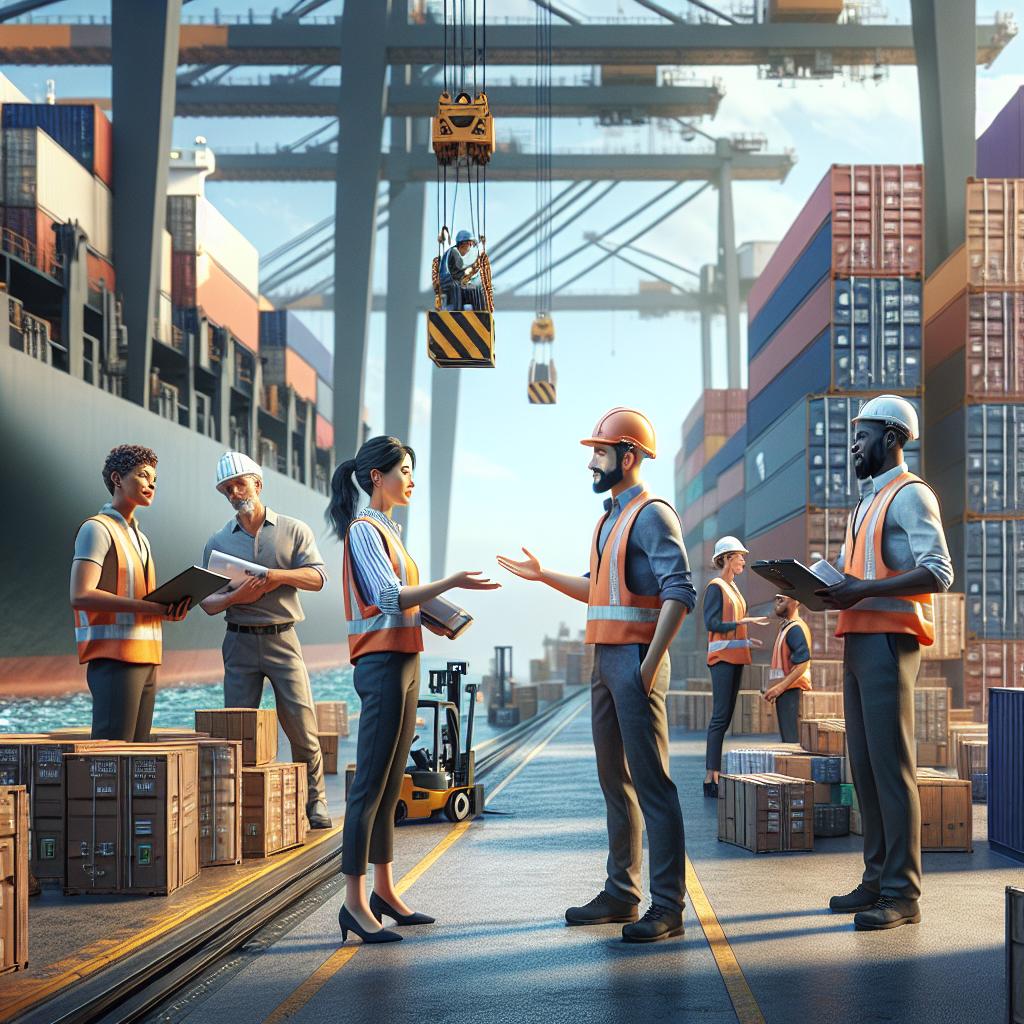
In a landmark move, SC Ports and International Longshoremen’s Association (ILA) have entered an agreement ending the separation of waterfront duties, a system in place for over 50 years. The deal, announced on June 25, allows ILA members to operate cranes and heavy-lift equipment alongside state employees across the Port of Charleston.
This development stems from the ILA’s legal victory earlier this year to operate the ship-to-shore cranes solely at the Leatherman Terminal. However, the agreement goes above and beyond that, establishing a blended workforce geared up to handle cargo from some of the world’s largest container ships.
Details of the Agreement
While the State Ports Authority (SPA) will retain ownership of the cranes and other equipment and manage terminal operations, their crane workers now have the option to switch employers and join the ILA. Alongside this, the agreement also entails that the union will provide operators across all three terminals to work alongside those who opt to remain with the SPA.
The SPA will continue to offer training and certification for all crane operators. Furthermore, the agreement facilitates the U.S. Maritime Alliance, comprising shipping lines, to send vessels to Leatherman. However, it’s still unclear as to when the terminal, which has remained mostly idle since its inception in March 2021, will recommence operations.
Efforts to Protect Jobs and Future Prospects
In the joint statement announcing the deal, both entities pledged commitment toward protecting jobs, maintaining financial stability, offering reliable operations, and high productivity for port customers. The collaboration aims to usher in long-term stability and competitiveness for the Port of Charleston while enhancing the port’s offerings.
With this agreement, a resolution has been brought to years-long legal disputes and the hybrid workforce model that has defined the Port of Charleston for over five decades. The clear distinction between the duties of state employees and union members has now been effectively dissolved.
Repercussions for Other Ports
The Port of Savannah remains the last significant U.S. port where state employees control the cranes, with ILA members moving cargo on the ground. The dockworkers’ union has stated its intention to challenge any endeavors to retain the hybrid model at any new terminal being planned by the Georgia Ports Authority in the future.
With the ILA negotiating a new labor deal for over 65,000 dockworkers from Maine to Texas, the current agreement comes as a significant breakthrough. It remains to be seen how wage negotiations unfold, with the union head expressing a strike threat unless the ILA secures wage concessions akin to the raises secured by their West Coast counterparts last year.


Author: STAFF HERE MYRTLE BEACH
The HERE Myrtle Beach Staff Writers are a collaborative team of journalists, editors, and local contributors passionate about delivering accurate, timely information to the Myrtle Beach community. As part of the HEREcity.com Network, which powers over 100 U.S. city sites including HEREcolumbia.com, our staff draws on collective experience in South Carolina journalism to cover everything from business sales and real estate developments to dining deals and community initiatives. Our Expertise and Background Local Roots in Myrtle Beach Our team includes lifelong Myrtle Beach residents and SC natives with deep knowledge of the area’s history, economy, and culture. We’ve covered key events like the recent developments along the Grand Strand, Myrtle Beach’s tourism and hospitality industry, and growth in local education sectors (e.g., Coastal Carolina University programs). Collective Experience With over 50 combined years in journalism, our staff has backgrounds in print, digital media, and community reporting. We prioritize fact-based stories, drawing from sources like the Myrtle Beach Area Chamber of Commerce, city government records, and on-the-ground interviews. Commitment to Quality Every article is a group effort, involving research, editing, and verification to ensure reliability. We adhere to journalistic standards, citing credible sources and updating content as new details emerge.