
California Lawmakers Ban Harmful Food Additives from School Lunchrooms
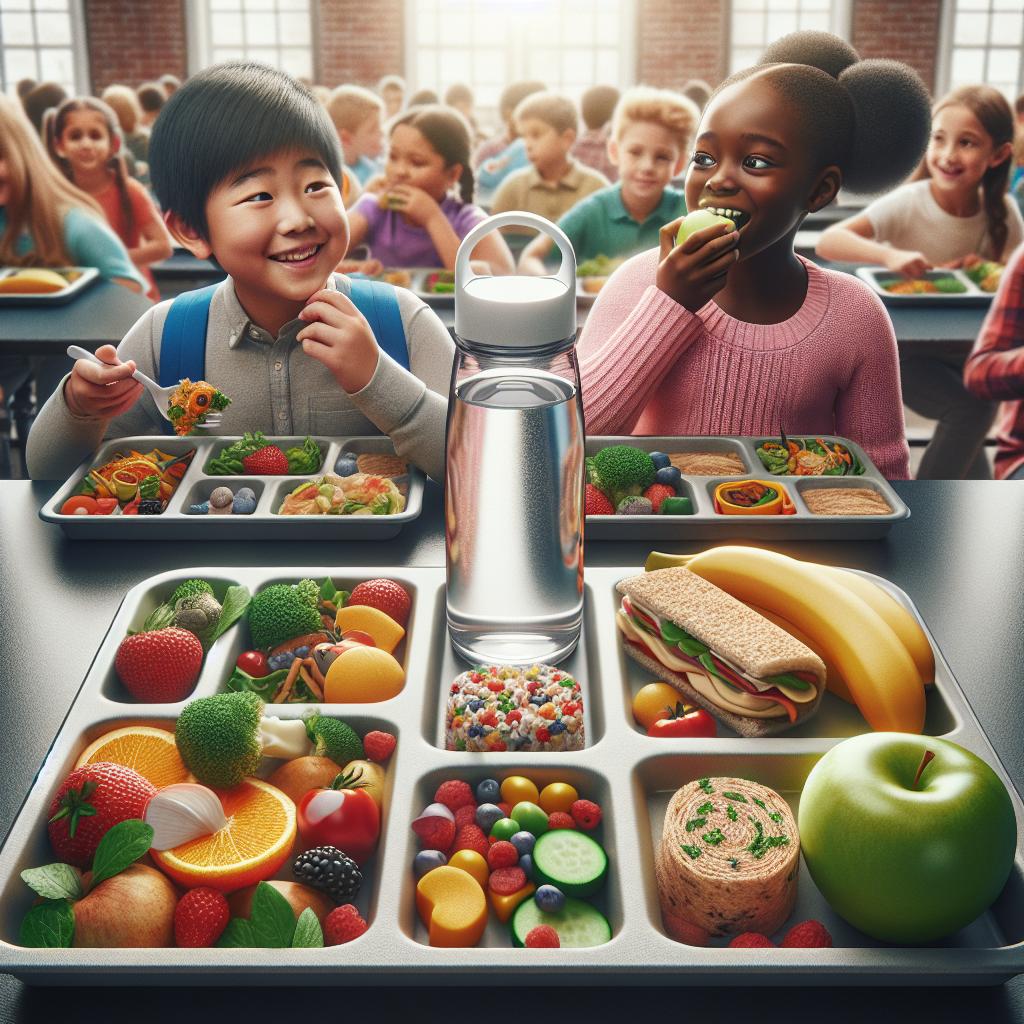
In a significant move to protect children’s health, California lawmakers have voted to ban food additives linked to behavioral issues in kids from school lunchrooms. This new legislation, known as the California School Food Safety Act, will mean that popular snacks such as Flamin’ Hot Cheetos and Twinkies will be prohibited in school cafeterias across the state. However, these food products can still be sold in stores.
Details of the Legislation
The bill specifically targets six controversial food additives: Blue 1, Blue 2, Green 3, Red 40, Yellow 5, and Yellow 6. These synthetic dyes are commonly found in snacks like Doritos, Froot Loops, and Fruity Pebbles, as well as in Jolly Ranchers candy. Advocates for the ban argue that these additives have no nutritional value and are only added for cosmetic reasons. They claim that the ingredients can lead to health issues, especially in children.
For instance, Red 3 has been shown to cause cancer in laboratory animals. Additionally, studies from the National Institutes of Health have indicated that Red 40, Yellow 5, and Yellow 6 may be contaminated with carcinogens like benzidine, which could increase the risk of cancer in people consuming these products.
Voices Behind the Ban
Assemblymember Jesse Gabriel, who authored the bill, expressed his strong feelings on the matter. As a parent and someone who has personally struggled with ADHD, Gabriel stated, “It is unacceptable that we allow schools to serve foods with additives that are linked to hyperactivity and neurobehavioral harms.” He believes this legislation will not only protect the health of children in California but also encourage manufacturers to change how they market and produce these snacks.
Scientific Evidence
In 2021, a report from the California Environmental Protection Agency’s Office of Environmental Health Hazard Assessment found that consuming synthetic food dyes can lead to hyperactivity and other neurobehavioral problems in certain children. This finding helped shape the foundation of the new law, which aims to ensure that children receive nutritious meals in their schools.
California’s State Superintendent of Public Instruction, Tony Thurmond, highlighted the importance of the new legislation. He stated, “Healthy, safe school meals are foundational to our students’ well-being and ability to learn. As someone who depended on school meals growing up, it is critical that our children receive food at school that is nutritious and is never harmful.” He views this bill as a significant step forward towards creating healthier and more equitable learning environments throughout California.
Next Steps
The legislation has now passed and is awaiting the signature of Governor Gavin Newsom. It is expected to take effect on December 31, 2027. While the law does not outright ban certain food products, it aims to eliminate the six harmful additives from school lunches, forcing a change in how these products are formulated and marketed.
Neither Frito Lay, known for making Cheetos and Doritos, nor Hostess, maker of Twinkies, have provided any immediate comments regarding the legislation.
Conclusion
As the debate around food safety and children’s health continues, this legislation in California sets an important precedent that could influence the way snacks are made and marketed to children well beyond state boundaries. For now, parents and educators are hopeful that this new ruling will lead to healthier choices in schools, creating a better environment for kids to learn and grow.


Author: STAFF HERE MYRTLE BEACH
The HERE Myrtle Beach Staff Writers are a collaborative team of journalists, editors, and local contributors passionate about delivering accurate, timely information to the Myrtle Beach community. As part of the HEREcity.com Network, which powers over 100 U.S. city sites including HEREcolumbia.com, our staff draws on collective experience in South Carolina journalism to cover everything from business sales and real estate developments to dining deals and community initiatives. Our Expertise and Background Local Roots in Myrtle Beach Our team includes lifelong Myrtle Beach residents and SC natives with deep knowledge of the area’s history, economy, and culture. We’ve covered key events like the recent developments along the Grand Strand, Myrtle Beach’s tourism and hospitality industry, and growth in local education sectors (e.g., Coastal Carolina University programs). Collective Experience With over 50 combined years in journalism, our staff has backgrounds in print, digital media, and community reporting. We prioritize fact-based stories, drawing from sources like the Myrtle Beach Area Chamber of Commerce, city government records, and on-the-ground interviews. Commitment to Quality Every article is a group effort, involving research, editing, and verification to ensure reliability. We adhere to journalistic standards, citing credible sources and updating content as new details emerge.