
Myrtle Beach’s Shade Dilemma: Summer Fun or Safety First?
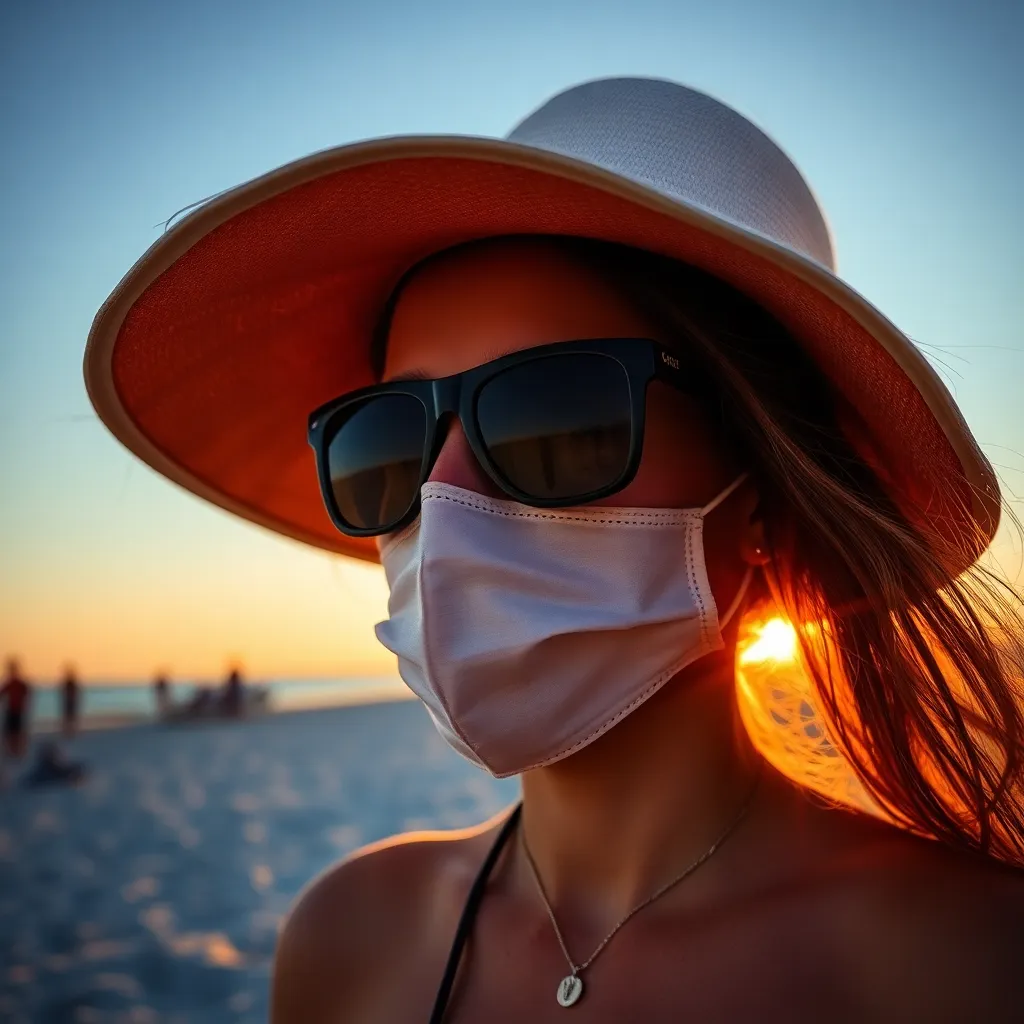
Every summer, our beautiful Myrtle Beach is packed with sun-seekers looking for that perfect day at the beach. But, what would a day in the sun be without a little shade? Well, that’s the million-dollar question that’s been buzzing around after the recent meeting of the Myrtle Beach Beach Advisory Committee. They’ve been wrestling with whether to allow popular wind-driven beach shades, like the Shibumi Shades, during the peak summer season.
The Current Setup
So, here’s the scoop: right now, from Memorial Day to Labor Day, the beach rules state that only traditional circular umbrellas (up to 7.5 feet wide) can chill on the beach. And to keep things orderly (and safe), these umbrellas have to be set up either in line with or behind the lifeguard’s row. Once September rolls around, though, those colorful Shibumi Shades and other similar devices can make their debut.
Safety Concerns on the Table
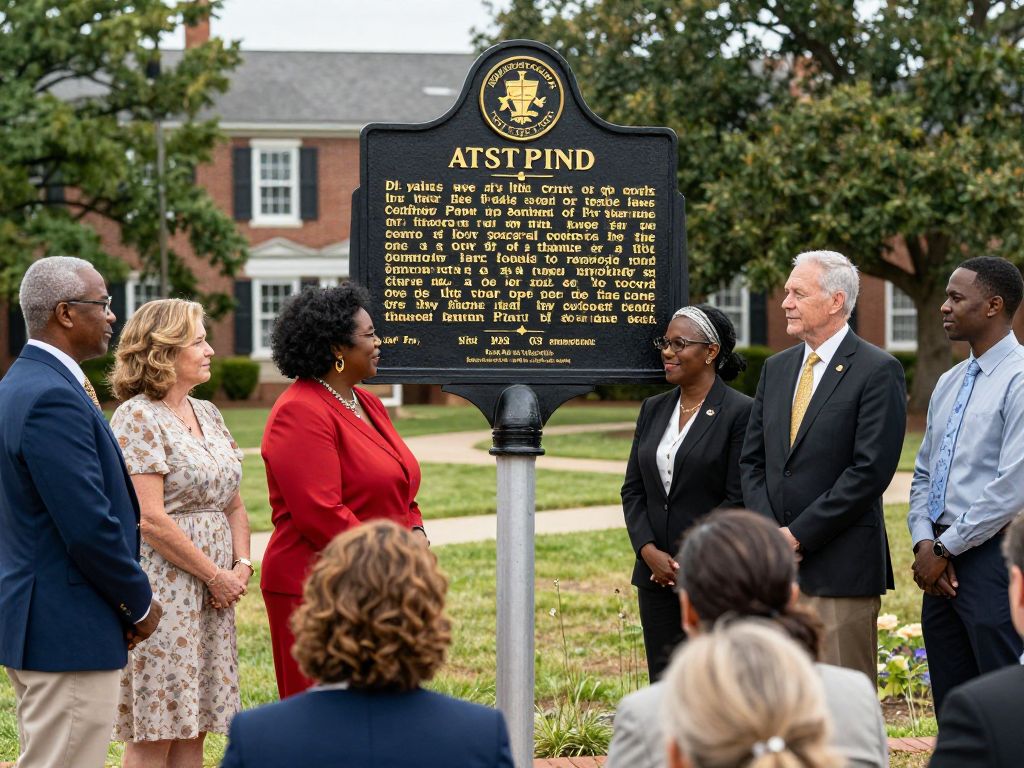
During the buzz-worthy meeting, the local police and fire department voiced their safety worries about having Shibumi Shades alongside the traditional umbrellas. It seems they think these trendy shades might create visibility problems for first responders, which is definitely a valid concern. However, Dane Barnes, one of the brains behind Shibumi Shades, was present to shed some light on the situation. He shared that visibility tests showed no safety issues when using his product. “When you’re behind a Shibumi Shade, you can see through it much more easily compared to being stuck behind a regular umbrella,” he noted.
Voices of the Innovators
It’s not just Barnes waving the Shibumi flag either; Paul James, who has co-created another wind-driven shade called Solbello Shades, joined the conversation too. He passionately defended the safety of his product, insisting that it’s designed for quick setup and better visibility, which helps avoid those pesky flying umbrellas that can be a real hazard. “Regular umbrellas can take off and fly down the beach, but our shades won’t do that,” James emphasized.
What’s Next?
Despite their efforts, the committee ultimately decided against changing the current ordinance, which sent a wave of disappointment through the audience. “It felt like nobody showed much evidence supporting our shades, which was frustrating,” Barnes shared after the vote. “We know our shades are designed for safety, better visibility, and ease of use.”
Now here’s the kicker: while the committee doesn’t have the final say, they’ll be sending their recommendation to the city council, which will be discussing this hot topic further in a workshop scheduled for November 5. Both Barnes and James plan to be in attendance, crossing their fingers for change!
Looking Around the Coast
Myrtle Beach isn’t alone in this debate — places like Wrightsville Beach in North Carolina happily allow Shibumi Shades to line their beaches all year round. It’s baffling why Myrtle Beach seems to be lagging behind when it comes to embracing these modern shade solutions.
Wrapping It Up
As we gear up for another sun-soaked summer, the hope among beach lovers is that the council will reconsider and give these nifty shades a chance. Who doesn’t want a fun day at the beach with a touch of style and safety? Let’s keep our fingers crossed that the decision-makers jump on board and let our beach vibe shine with the shades we love!


Author: STAFF HERE MYRTLE BEACH
The HERE Myrtle Beach Staff Writers are a collaborative team of journalists, editors, and local contributors passionate about delivering accurate, timely information to the Myrtle Beach community. As part of the HEREcity.com Network, which powers over 100 U.S. city sites including HEREcolumbia.com, our staff draws on collective experience in South Carolina journalism to cover everything from business sales and real estate developments to dining deals and community initiatives. Our Expertise and Background Local Roots in Myrtle Beach Our team includes lifelong Myrtle Beach residents and SC natives with deep knowledge of the area’s history, economy, and culture. We’ve covered key events like the recent developments along the Grand Strand, Myrtle Beach’s tourism and hospitality industry, and growth in local education sectors (e.g., Coastal Carolina University programs). Collective Experience With over 50 combined years in journalism, our staff has backgrounds in print, digital media, and community reporting. We prioritize fact-based stories, drawing from sources like the Myrtle Beach Area Chamber of Commerce, city government records, and on-the-ground interviews. Commitment to Quality Every article is a group effort, involving research, editing, and verification to ensure reliability. We adhere to journalistic standards, citing credible sources and updating content as new details emerge.