
Columbia: Robert Smalls Statue to Honor Escape from Slavery
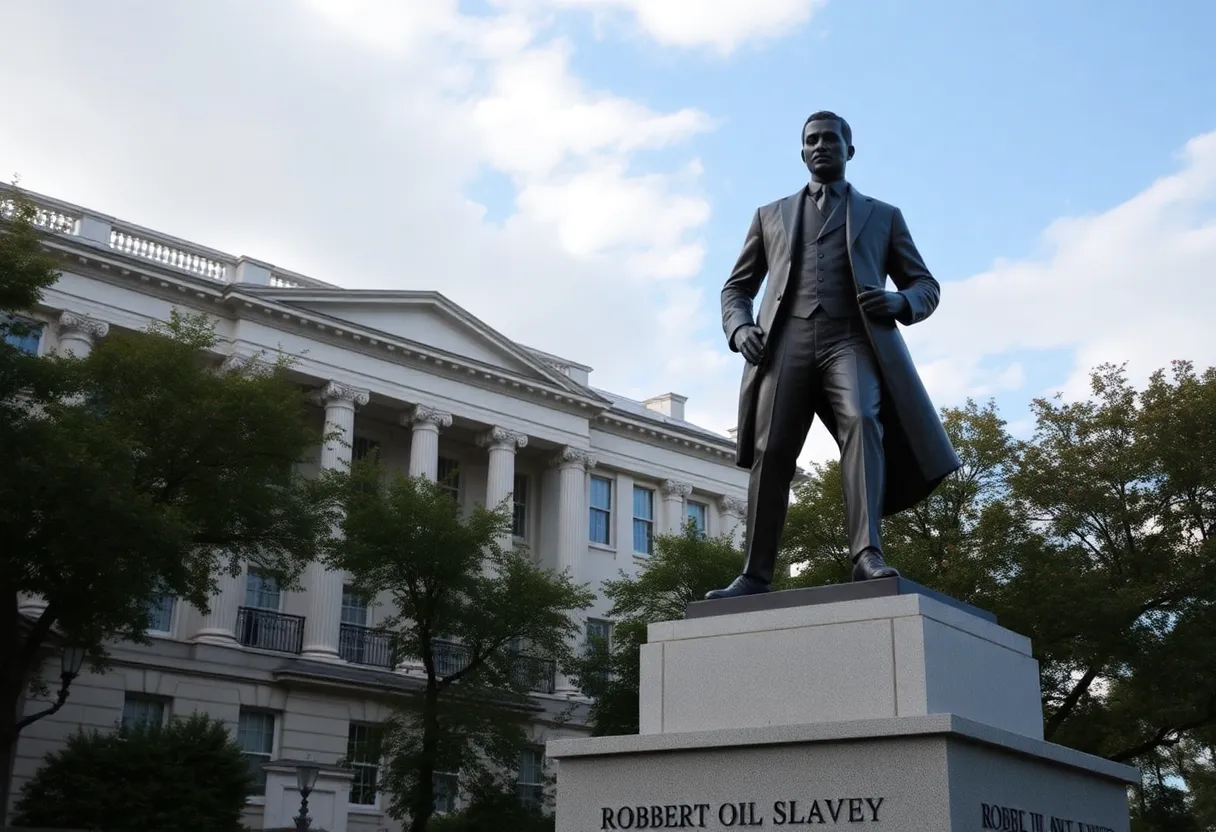
In Columbia, South Carolina, plans are underway to erect a statue in honor of Robert Smalls, a remarkable figure who escaped slavery to become a hero during the Civil War and later a lawmaker. This will mark the first time an individual Black figure is recognized with a monument on the lawn of the South Carolina State House.
The What
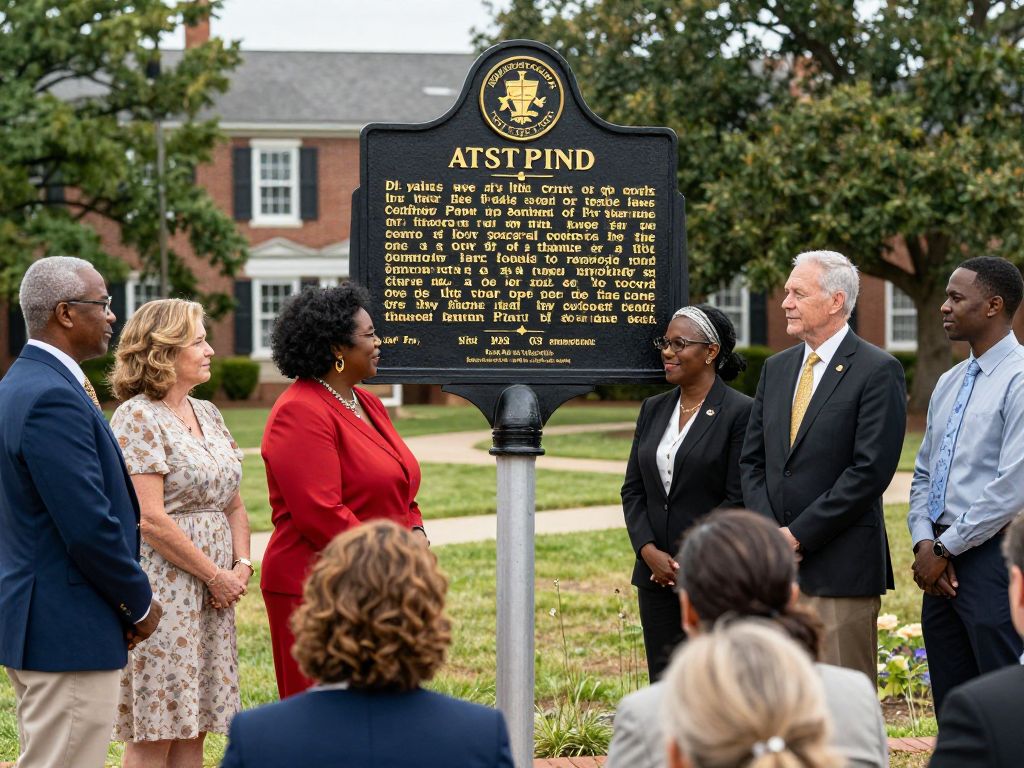
A special committee, formed to oversee the project, has until January 15 to finalize key details, including the statue’s design, exact location, and the funding required for its construction. State lawmakers unanimously passed a bill to establish this tribute earlier this year, highlighting a collective effort to acknowledge Smalls’ significant contributions to American history.
The Where
The statue will be placed on the spacious lawn of the State House in Columbia, an area currently dominated by monuments celebrating Confederate figures. This setting makes Smalls’ tribute especially poignant, as he represents a critical shift in the narrative surrounding the state’s history.
The When
The commission must raise funds exclusively through donations, with a deadline set for completion by 2028. Senator Chip Campsen, a Republican member of the South Carolina legislature, emphasized the importance of Smalls as a figure who brought positive change despite facing immense hardships. The final statue will become part of a broader acknowledgment of the state’s complex past.
The Why
Robert Smalls, born into slavery in 1839 in Beaufort, South Carolina, is celebrated for his remarkable escape to freedom during the Civil War. In 1862, while enslaved on a Confederate transport ship named the Planter, Smalls made a daring move. After the white crew members left the ship, he disguised himself in a captain’s uniform and successfully navigated the vessel past multiple Confederate checkpoints. This courageous act led him and a group of fellow enslaved individuals to freedom, bringing vital intelligence to the Union Navy.
A Legacy of Change
After his escape, Smalls became a prominent figure in the Union Navy, rising to the rank of captain. Following the war, he returned to his hometown and purchased the mansion of his former enslaver, which still stands today as a reminder of his extraordinary journey.
Beyond his military service, Smalls became an influential advocate for public education and worked tirelessly in politics. He held positions in the South Carolina House of Representatives and Senate, and he was elected to the United States Congress. His most notable contributions included drafting the Reconstruction-era constitution for South Carolina and supporting the establishment of the state’s public school system.
An Important Honor
The upcoming monument is seen as a long-overdue recognition of Smalls’ legacy. Jermaine Johnson, a South Carolina state representative, reflected on the significance of honoring such figures, lamenting that it is a “travesty” he was not recognized sooner. Johnson believes that the story of Smalls deserves greater visibility, potentially inspiring a film that could bring his life to mainstream audiences.
The decision to honor Robert Smalls with a statue not only acknowledges his contributions to South Carolina’s rich history but also serves as a step toward greater recognition of Black leaders and figures who have shaped the nation.


Author: STAFF HERE MYRTLE BEACH
The HERE Myrtle Beach Staff Writers are a collaborative team of journalists, editors, and local contributors passionate about delivering accurate, timely information to the Myrtle Beach community. As part of the HEREcity.com Network, which powers over 100 U.S. city sites including HEREcolumbia.com, our staff draws on collective experience in South Carolina journalism to cover everything from business sales and real estate developments to dining deals and community initiatives. Our Expertise and Background Local Roots in Myrtle Beach Our team includes lifelong Myrtle Beach residents and SC natives with deep knowledge of the area’s history, economy, and culture. We’ve covered key events like the recent developments along the Grand Strand, Myrtle Beach’s tourism and hospitality industry, and growth in local education sectors (e.g., Coastal Carolina University programs). Collective Experience With over 50 combined years in journalism, our staff has backgrounds in print, digital media, and community reporting. We prioritize fact-based stories, drawing from sources like the Myrtle Beach Area Chamber of Commerce, city government records, and on-the-ground interviews. Commitment to Quality Every article is a group effort, involving research, editing, and verification to ensure reliability. We adhere to journalistic standards, citing credible sources and updating content as new details emerge.