
Columbia, South Carolina Faces Pollution Concerns from Plastics Factories
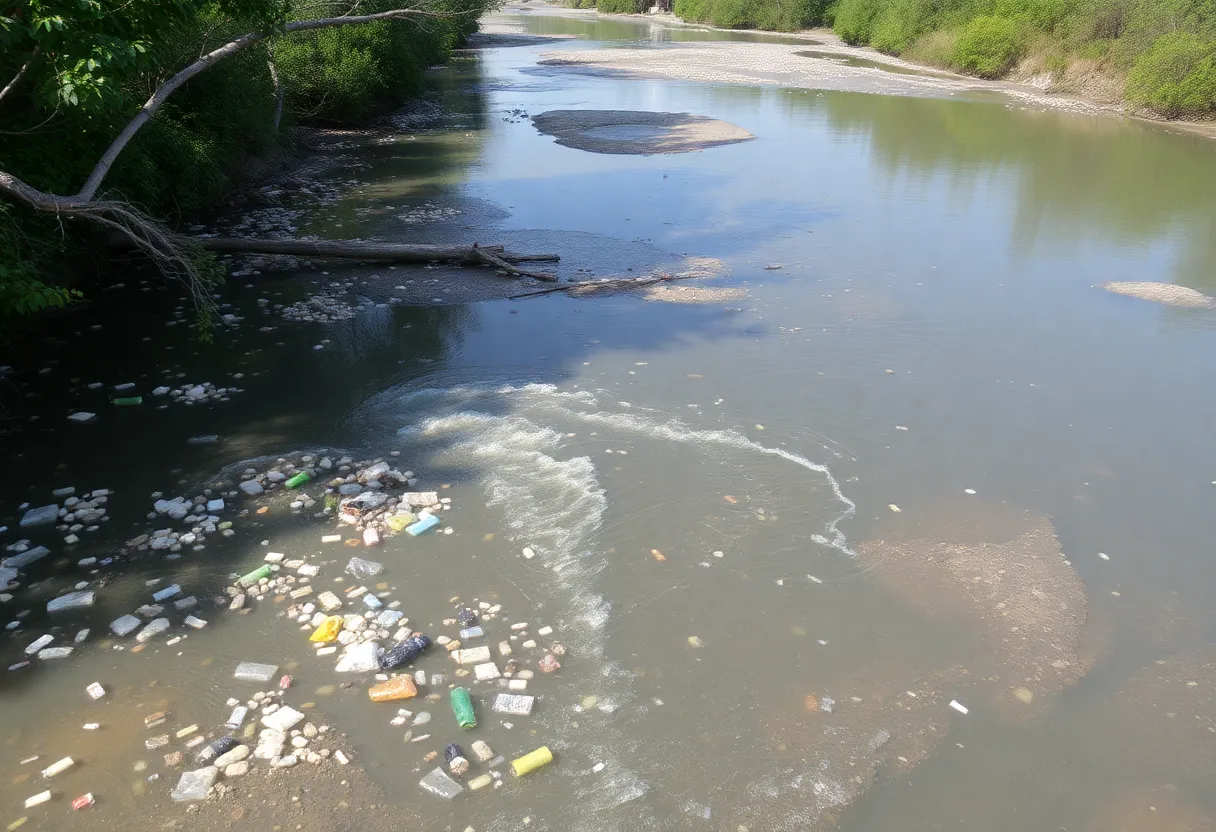
A new report reveals alarming amounts of a toxic chemical, 1,4-dioxane, being released into the Congaree and Cooper rivers by plastics factories in South Carolina. This pollution poses significant risks to public health and the environment, prompting concerns from local advocates and environmental organizations.
Who is Involved?
The report was issued by the Environmental Integrity Project, a national organization focused on public interest and environmental protection. It highlights the practices of several plastics factories in the state, particularly around Columbia and Charleston, which are discharging high quantities of 1,4-dioxane into the waterways.
What Are the Findings?
The Environmental Integrity Project identified that one of the largest offenders, the Alpek Polyester plant in Gaston, discharged a staggering 23,728 pounds of 1,4-dioxane into the Congaree River in 2022. This amount ranks as the second highest nationally, following a facility in West Virginia. Another Alpek plant located in Moncks Corner released an additional 9,756 pounds into the Cooper River.
Where Are the Affected Areas?
The report stresses that these discharges occur in proximity to the Congaree National Park, a vital ecological reserve in South Carolina. Though the discharges are below current drinking water intakes in Columbia and surrounding areas, experts warn they could impact drinking water supplies downstream, particularly in the Santee Cooper lakes area southeast of the city.
When Did This Issue Come to Light?
The findings were highlighted in a report released on November 14, 2024, drawing attention to the urgent need for regulation pertaining to 1,4-dioxane releases from plastics manufacturing facilities. These chemicals have been linked to serious health problems, including liver and kidney damage and are recognized as a probable carcinogen by the Environmental Protection Agency (EPA).
Why is This Important?
Despite these serious concerns, there are currently no federal limits on 1,4-dioxane discharges from plastics manufacturers. The lack of stringent regulations allows for excessive pollution and potentially harmful effects on community health. Local advocates like Bill Stangler from the Congaree Riverkeeper organization expressed outrage, stating, “This toxic pollution from plastic production is unacceptable. Our federal and state agencies need to step up and protect our river and the downstream communities.”
What Are the Regulatory Challenges?
According to the EPA, while South Carolina oversees water pollution under the Clean Water Act, there are gaps that need attention. Environmental advocates have criticized the agency for inadequate action in limiting discharges from plastics facilities, which are growing in number across the nation. The report also mentioned challenges surrounding nurdles, the small pellets used in plastic manufacturing, which often find their way into waterways, exacerbating pollution problems.
The Future Steps
Call for reforms is growing. Environmental organizations are pressing for the establishment of stronger regulations concerning plastic pollution, which includes modernizing pollution control systems in factories and demanding better monitoring of harmful substances like 1,4-dioxane. Activists argue that without federal guidance, these issues will persist, jeopardizing both public health and the ecological integrity of important rivers in South Carolina and beyond.
As this situation continues to develop, the local community remains vigilant and seeks accountability from responsible parties while calling for necessary reforms to protect their waterways and health.


Author: STAFF HERE MYRTLE BEACH
The HERE Myrtle Beach Staff Writers are a collaborative team of journalists, editors, and local contributors passionate about delivering accurate, timely information to the Myrtle Beach community. As part of the HEREcity.com Network, which powers over 100 U.S. city sites including HEREcolumbia.com, our staff draws on collective experience in South Carolina journalism to cover everything from business sales and real estate developments to dining deals and community initiatives. Our Expertise and Background Local Roots in Myrtle Beach Our team includes lifelong Myrtle Beach residents and SC natives with deep knowledge of the area’s history, economy, and culture. We’ve covered key events like the recent developments along the Grand Strand, Myrtle Beach’s tourism and hospitality industry, and growth in local education sectors (e.g., Coastal Carolina University programs). Collective Experience With over 50 combined years in journalism, our staff has backgrounds in print, digital media, and community reporting. We prioritize fact-based stories, drawing from sources like the Myrtle Beach Area Chamber of Commerce, city government records, and on-the-ground interviews. Commitment to Quality Every article is a group effort, involving research, editing, and verification to ensure reliability. We adhere to journalistic standards, citing credible sources and updating content as new details emerge.