
Aynor, S.C. Prepares for Unusually Active Wildfire Season
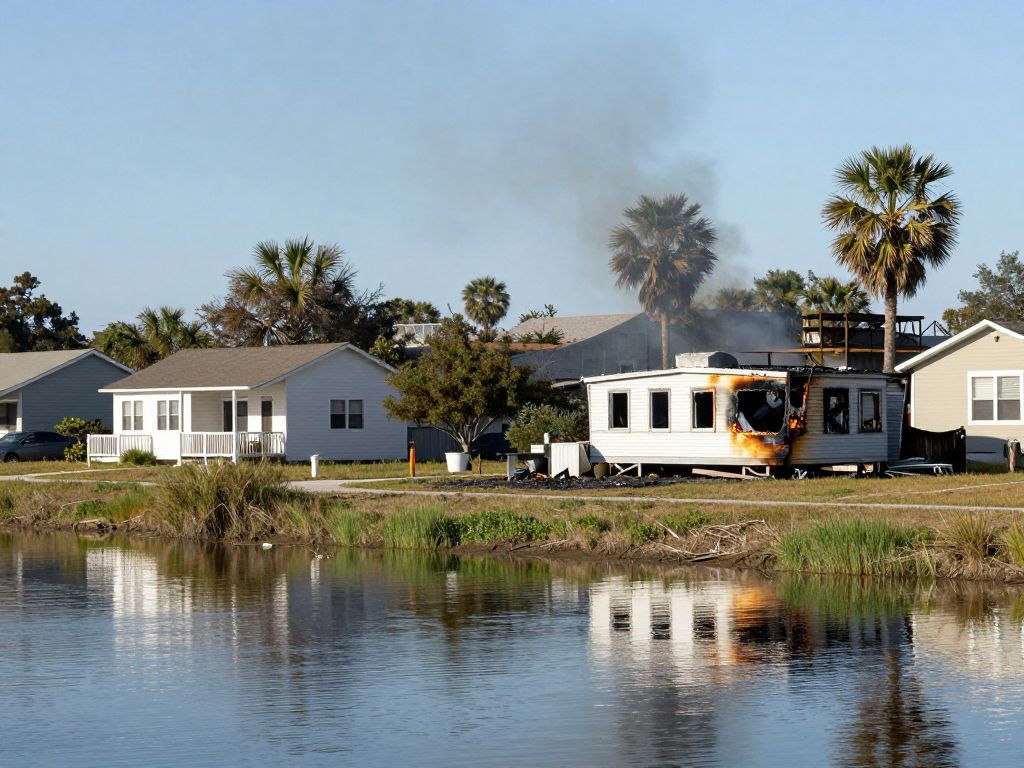
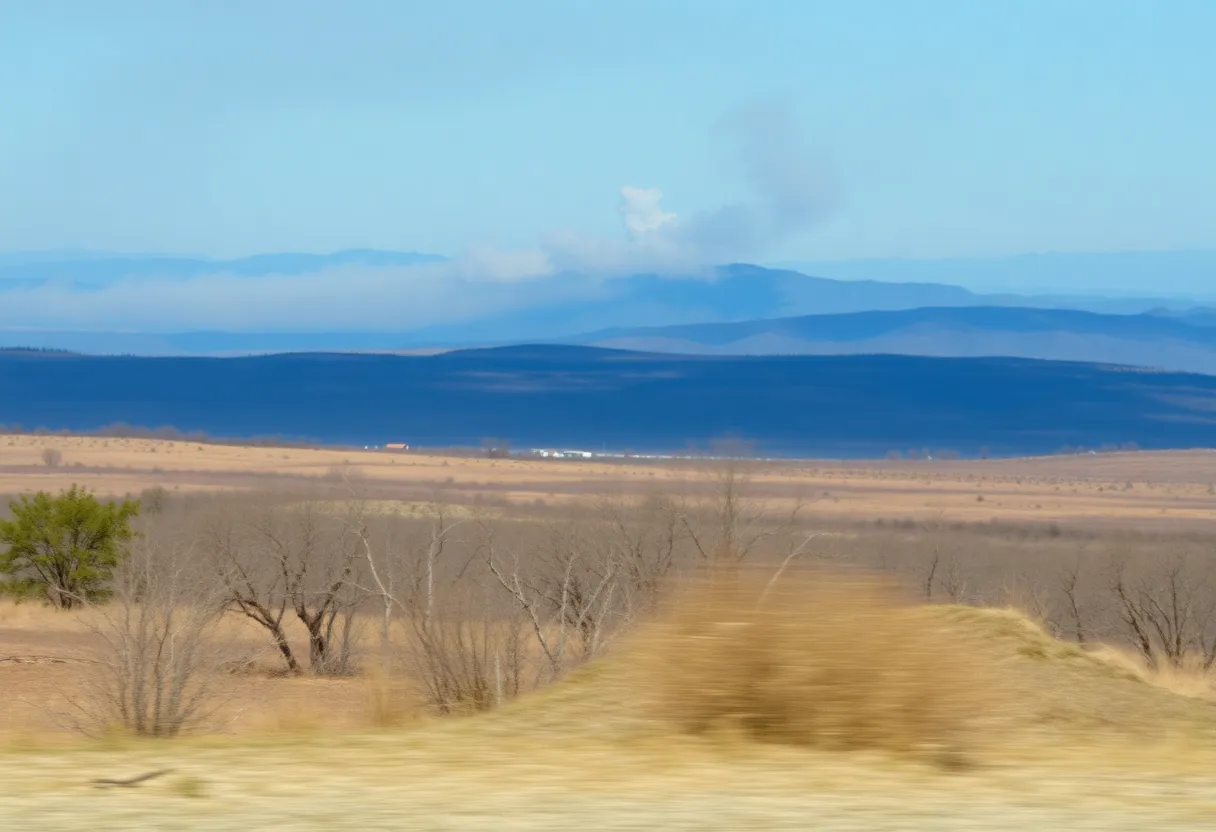
As hurricane season draws to a close, South Carolina finds itself readying for what could be an intense wildfire season. The forecast indicates a significant risk of wildfires extending along the South Carolina coast, especially through March.
Darryl Jones, Chief of the South Carolina Forestry Commission’s Protection Division, remarked, “This is not going to be a normal season; this is going to be somewhat above that.” The prediction comes as the area grapples with the aftereffects of Hurricane Helene and the expected onset of a La Niña dry pattern. This combination is set to keep the Grand Strand and Coastal Lowcountry at heightened risk for wildfires throughout December.
The projected wildfire season in South Carolina typically spans from late winter into April. However, the National Interagency Coordination Center reports that the entire state is likely to experience “above normal” wildfire impacts by February. “It does look pretty bad; the whole map is red for the next three months,” added Jones. “We, as the state fire agency, have input into that.”
Preparations Underway
To counter the potential increase in wildfire incidents, Jones’s team has undertaken extensive preparations. The South Carolina Forestry Commission has partnered with the South Carolina Law Enforcement Division (SLED) to train law enforcement personnel and equip search helicopters with water buckets.
Additionally, over the summer months, the agency collaborated with the National Guard for further training. “We’re looking ahead now with the transition of the fuels and weather to make sure we get ready, so when the fuels are dry and we have ignitions, we are ready to go,” said Jones.
Horry County officials are closely monitoring the situation as well. Captain Tim Rainbolt, leader of Horry County’s Special Wildfire Response Team, stressed the importance of being prepared. “Right now we’re able to get after these fires quickly; they’re slow-moving fires, but it’s not to say that couldn’t change,” he explained.
Rainbolt urged residents to exercise caution and adhere to safety guidelines when burning debris. Key recommendations include obtaining a permit for larger piles, maintaining a nearby water source, and monitoring weather conditions during planned burns.
Heightened Risks Ahead
Over the past five years, South Carolina has averaged around 1,300 wildfires each year. The current forecast aligns with predictions from 2022, which reported approximately 2,000 wildfires due to an above-average fire season.
New Tools for Firefighters
This year, the South Carolina Forestry Commission will have access to a new firefighting tool: a single-engine plane designed to drop water on fires. This aircraft is set to be operational by February. “We knew that we were due for a bad fire season, and we need to be prepared to protect the public and their homes, while also ensuring the safety of our firefighters,” remarked Jones. “That’s a tool we haven’t had.”
As South Carolinians brace for what is expected to be a challenging wildfire season, both state agencies and local communities remain committed to prevention and preparedness efforts to minimize fire risks during the coming months.


Author: STAFF HERE MYRTLE BEACH
The HERE Myrtle Beach Staff Writers are a collaborative team of journalists, editors, and local contributors passionate about delivering accurate, timely information to the Myrtle Beach community. As part of the HEREcity.com Network, which powers over 100 U.S. city sites including HEREcolumbia.com, our staff draws on collective experience in South Carolina journalism to cover everything from business sales and real estate developments to dining deals and community initiatives. Our Expertise and Background Local Roots in Myrtle Beach Our team includes lifelong Myrtle Beach residents and SC natives with deep knowledge of the area’s history, economy, and culture. We’ve covered key events like the recent developments along the Grand Strand, Myrtle Beach’s tourism and hospitality industry, and growth in local education sectors (e.g., Coastal Carolina University programs). Collective Experience With over 50 combined years in journalism, our staff has backgrounds in print, digital media, and community reporting. We prioritize fact-based stories, drawing from sources like the Myrtle Beach Area Chamber of Commerce, city government records, and on-the-ground interviews. Commitment to Quality Every article is a group effort, involving research, editing, and verification to ensure reliability. We adhere to journalistic standards, citing credible sources and updating content as new details emerge.