

News Summary
A tragic shooting at the CDC headquarters in Atlanta resulted in the death of officer David Rose and severe damage to the facility. Patrick Joseph White, the shooter, fired more than 180 rounds, causing widespread destruction but fortunately injuring no employees. The incident has raised urgent concerns regarding workplace safety and mental well-being in the public health sector. Following the attack, the CDC is conducting security assessments while employees are encouraged to work from home, reflecting a growing anxiety about safety in the wake of such violence.
Tragic Shooting at CDC Headquarters: A Community on Edge
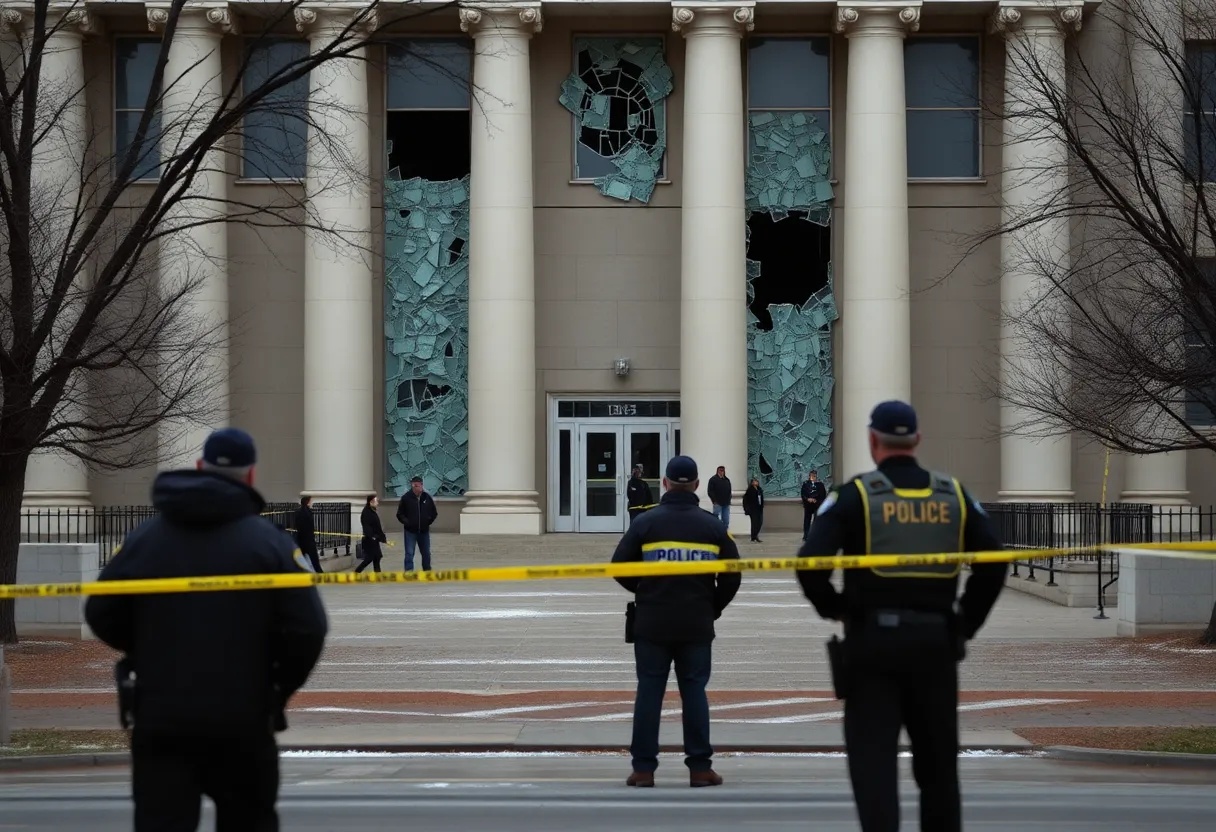
In a shocking turn of events, a 30-year-old individual named Patrick Joseph White unleashed chaos at the U.S. Centers for Disease Control and Prevention (CDC) headquarters in Atlanta. The incident, which took place recently, led to the tragic death of an officer named David Rose, who was known for his dedication and professionalism. The shooter was reportedly armed with no fewer than five weapons, including a long gun, and fired more than 180 shots at the CDC, leaving behind a scene of destruction with around 150 windows shattered, some in buildings equipped with blast-resistant features.
The Aftermath of the Attack
Miraculously, no CDC employees were injured during the shooting, but the fallout continues to echo throughout the institution. White’s rampage damaged multiple buildings, including the one housing the office of the CDC director, Susan Monarez. Cleanup efforts are expected to take weeks, if not months, raising questions about security and well-being in workplaces dedicated to public health.
Following the incident, employees were advised to work from home, a precaution highlighting the sense of vulnerability felt by staff members. Health Secretary Robert F. Kennedy Jr. visited the area to meet with Monarez and expressed his support for the CDC team while also condemning acts of violence against public health workers. However, not everyone felt relief from the visit. Some laid-off CDC employees placed responsibility on Kennedy, blaming him for creating a hostile environment that fueled such violence.
The Shooter’s Struggles
It appears that White had been struggling with severe emotional distress, reportedly blaming the COVID-19 vaccine for feelings of depression and even suicidal thoughts. His father shared with authorities that the young man had become increasingly focused on vaccine criticism, aggravated by personal losses that affected his mental health. Neighbors also recalled hearing White voice concerns and distrust regarding vaccines, pointing to a troubling fixation on the subject.
Lonely and Vulnerable: The CDC’s Response
The CDC has initiated a thorough security assessment in light of this tragic event, responding to the angst expressed by employees regarding their safety. Former officials have weighed in, noting the potential long-term impacts on the willingness of young scientists to work for government agencies when faced with hostility. The heartbreaking loss of Officer Rose, a former Marine who had only recently joined the police force, has left a void in the community.
This shooting raises broader concerns about the mental well-being of public health professionals, especially against a backdrop of anti-vaccine rhetoric. Experts worry that the climate of hostility could deter talented individuals from pursuing careers in the vital field of disease research.
A Community in Reflection
The incident at the CDC serves as a stark reminder of how deeply divisive issues like COVID-19 and vaccines can become, affecting not just individual lives but entire communities. As recovery efforts begin, the CDC, its employees, and law enforcement officials will undoubtedly reflect on the lessons learned from this unfortunate event and hope for a time when public discourse can be more constructive, and individuals feeling despair can find the help they need.
FAQ Section
What happened during the shooting at the CDC headquarters?
A Georgia man, Patrick Joseph White, opened fire at CDC headquarters, killing a police officer and damaging several buildings. No employees were injured.
Why did the shooter blame the COVID vaccine?
White reportedly blamed the COVID-19 vaccine for causing him depression and suicidal thoughts, which contributed to his violent actions.
What actions are being taken by the CDC following the shooting?
The CDC is conducting security assessments and has advised employees to work from home temporarily due to safety concerns.
Key Features Chart
| Feature | Details |
|---|---|
| Shooting Incident | Over 180 shots fired, involving multiple firearms. |
| Casualties | One officer fatally shot; no other injuries reported. |
| Community Impact | Heightened concerns over safety and mental health in public health. |
| Ongoing Response | CDC to undertake weeks of cleanup and security reassessment. |
Deeper Dive: News & Info About This Topic
- The New York Times
- Wikipedia: Centers for Disease Control and Prevention
- The Guardian
- Encyclopedia Britannica: CDC
- ABC News


Author: STAFF HERE MYRTLE BEACH
The HERE Myrtle Beach Staff Writers are a collaborative team of journalists, editors, and local contributors passionate about delivering accurate, timely information to the Myrtle Beach community. As part of the HEREcity.com Network, which powers over 100 U.S. city sites including HEREcolumbia.com, our staff draws on collective experience in South Carolina journalism to cover everything from business sales and real estate developments to dining deals and community initiatives. Our Expertise and Background Local Roots in Myrtle Beach Our team includes lifelong Myrtle Beach residents and SC natives with deep knowledge of the area’s history, economy, and culture. We’ve covered key events like the recent developments along the Grand Strand, Myrtle Beach’s tourism and hospitality industry, and growth in local education sectors (e.g., Coastal Carolina University programs). Collective Experience With over 50 combined years in journalism, our staff has backgrounds in print, digital media, and community reporting. We prioritize fact-based stories, drawing from sources like the Myrtle Beach Area Chamber of Commerce, city government records, and on-the-ground interviews. Commitment to Quality Every article is a group effort, involving research, editing, and verification to ensure reliability. We adhere to journalistic standards, citing credible sources and updating content as new details emerge.