
Myrtle Beach, SC, January 21, 2026
News Summary
Coastal Carolina University is requesting over $41 million in state aid to enhance educational offerings and community impact. This funding is part of the university’s transformative strategy, aimed at expanding opportunities for students and boosting regional development. President James Winebrake emphasizes the importance of this funding to achieve the goals outlined in the strategic plan ‘CCU Reach,’ which focuses on academic rigor, infrastructure improvement, and community engagement.
Myrtle Beach, SC — Coastal Carolina University (CCU) is embarking on a significant endeavor to bolster its educational offerings and community impact, seeking over $41 million in state aid. This substantial investment is integral to the university’s “transformative strategy,” designed to expand opportunities for students and enhance the region’s overall development. The initiative underscores a commitment to academic rigor, student growth, and institutional excellence, reflecting a proactive approach to shaping the future of higher education in the Myrtle Beach area and across South Carolina. Coastal Carolina University’s efforts highlight how strategic funding can cultivate leadership and foster a lasting positive influence on the community and economic landscape.
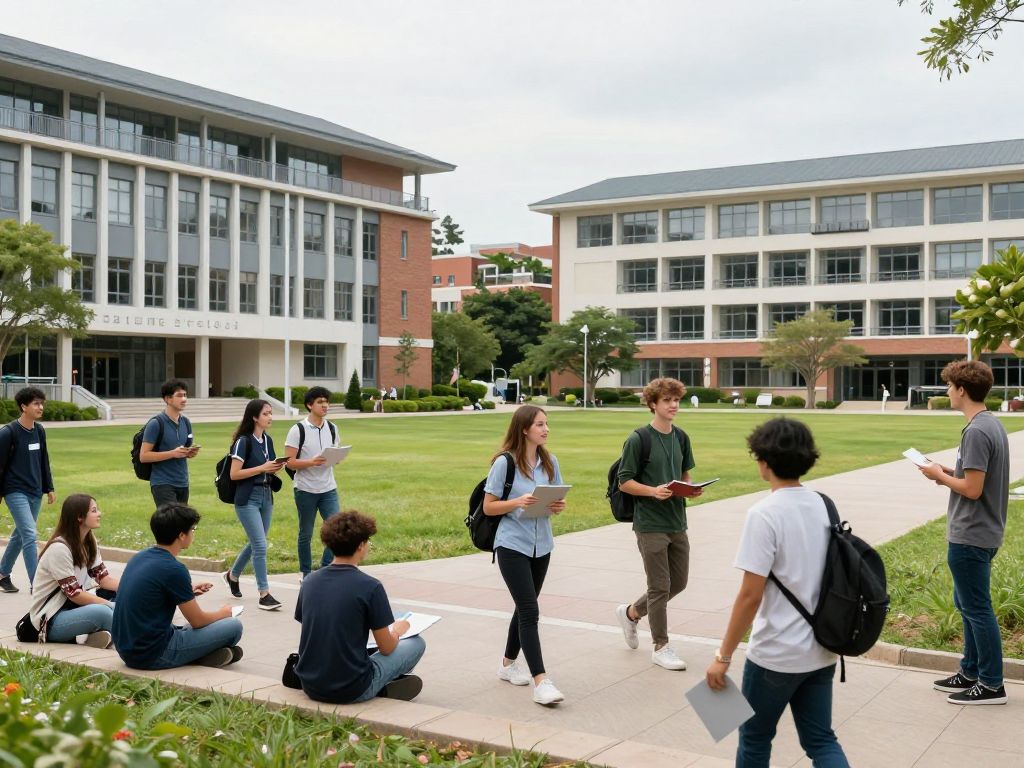
As a cornerstone of the Grand Strand’s academic community, CCU’s pursuit of state funding aligns with its mission to provide a robust and dynamic learning environment. The proposed investments aim to refine existing programs, introduce innovative new ones, and reinforce the university’s role as a vital contributor to the intellectual and economic vitality of the region. This strategic push is poised to benefit not only current and future students but also the broader South Carolina higher education system through advancements in research, community partnerships, and accessible education.
Driving the Vision: President Winebrake and the Transformative Strategy
At the helm of this ambitious initiative is Coastal Carolina University President James Winebrake, who assumed his role on July 7, 2025. President Winebrake has articulated a clear vision for the university, emphasizing the creation of “transformative opportunities” for both students and the wider community. This vision is encapsulated within CCU’s new strategic plan, aptly named “CCU Reach – Our Tealprint for the future.” This comprehensive plan is structured around three core pillars: learning, living, and legacy, which are supported by underlying keystones designed to provide essential infrastructure.
The request for more than $41 million in state aid is a critical component for realizing the objectives outlined in CCU Reach. This funding is intended to address various facets of university operations and expansion, ensuring that Coastal Carolina University can continue its trajectory of growth and impact within the state. President Winebrake, with his extensive background in public policy, science, technology, and energy management, brings a wealth of experience to guide CCU through this transformative period.
Enhancing Academic Rigor and Student Success
The “learning” pillar of the CCU Reach strategic plan is centered on preparing students for success and fostering academic excellence through a dedicated teacher-scholar model. This approach seeks to provide expanded learning opportunities and actively engage all members of the campus community in the pursuit of knowledge. Coastal Carolina University currently offers a wide array of academic choices, including over 115 undergraduate and more than 30 graduate-level programs, demonstrating a commitment to diverse educational pathways.
Recent academic innovations at CCU include the approval of new degree programs, such as the Bachelor of Arts in Cyber Threat Intelligence. This program, a first of its kind in South Carolina, exemplifies interdisciplinary collaboration, being a joint effort between the Edwards College of Humanities and Fine Arts and the Gupta College of Science. Such programs are vital for equipping students with skills relevant to evolving industries. A portion of the requested state aid, specifically $31 million in increased spending authority, is earmarked to cover rising costs, recruit, and retain highly qualified faculty and staff, ultimately improving the educational experience and contributing to higher retention and graduation rates. Furthermore, President Winebrake has expressed a clear intention to expand both the university’s research portfolio and its academic program offerings to meet regional needs and student demand.
Investing in Campus Infrastructure and Community Engagement
The “living” pillar of CCU Reach focuses on cultivating a thriving campus environment that supports student life and academic pursuits. Complementing this, the “legacy” pillar emphasizes making a significant difference beyond the campus boundaries and securing a stable future for “Teal Nation” through efficiency and sustainability initiatives. To support these goals, CCU adopted a new Campus Master Plan during the 2023-2024 academic year. This plan systematically addresses the university’s expanding needs, incorporates recommendations for sustainable facilities, and outlines enhancements for CCU’s land resources, all informed by comprehensive academic, space, and infrastructure data.
The funding sought is anticipated to play a crucial role in realizing the goals of this master plan, ensuring that the physical infrastructure supports the university’s growth and its commitment to environmental stewardship. Beyond its immediate campus, Coastal Carolina University is noted for its strong integration within the broader community, maintaining robust partnerships and relationships with local and state government entities, as well as with various nonprofit and for-profit organizations. These connections are essential for translating academic achievements and research into tangible community benefits.
Cultivating Leadership and Personal Responsibility
Coastal Carolina University actively promotes student growth and the development of leadership skills, recognizing that education extends beyond the classroom. Programs such as Pathway 1954 exemplify this commitment, offering a leadership and engagement initiative where students actively participate in community service and various club organizations. This involvement provides practical experience, aids in resume building, and prepares students for future career opportunities. Such programs foster personal responsibility and encourage students to become engaged citizens and leaders.
In a testament to its inclusive educational philosophy, CCU also hosts the LIFE Program. This four-year, tuition-based, post-secondary education and transition program is specifically designed for young adults with mild to moderate intellectual and/or developmental disabilities. The LIFE Program supports students in achieving full integration within the campus community, both academically and socially, while equipping them with essential life skills for independent and productive adult lives. These initiatives underscore the university’s dedication to developing well-rounded individuals prepared to contribute meaningfully to society.
Shaping South Carolina’s Educational Landscape
Coastal Carolina University’s pursuit of state aid carries significant implications for South Carolina higher education as a whole. A specific portion of the requested funds, amounting to $3,524,432 in recurring general funds, is intended to help mitigate tuition increases for South Carolina residents. This commitment to affordability is crucial for ensuring that quality higher education remains accessible to in-state students, thereby supporting the broader educational goals of the state. By investing in CCU, South Carolina reinforces its commitment to developing a skilled workforce and fostering innovation.
With a record Fall 2024 preliminary enrollment of 11,193 students, CCU’s growth trajectory positions it as an increasingly vital component of the state’s educational and economic ecosystem. The university’s strategic investments in academic programs, research infrastructure, and community partnerships are anticipated to contribute directly to South Carolina’s intellectual capital and economic competitiveness. This forward-thinking strategy aims to solidify CCU’s role as a beacon of academic excellence and a catalyst for positive change within the region and beyond.
Summary of Coastal Carolina University’s State Aid Request
| Category of Request | Amount Requested | Primary Purpose |
|---|---|---|
| Overall State Aid | More than $41 Million | Support “transformative strategy” and CCU Reach pillars (learning, living, legacy) |
| Tuition Mitigation Funding | $3,524,432 (recurring general funds) | Help mitigate tuition increases for South Carolina residents |
| Increased Spending Authority | $31,000,000 | Cover rising costs; recruit and retain faculty/staff; improve educational/residential experience; boost retention/graduation rates |
Coastal Carolina University’s drive for substantial state investment reflects a dedication to continuous improvement and a vision for long-term impact. The “CCU Reach” strategic plan, championed by President Winebrake, aims to elevate student achievement, enhance campus life, and expand the university’s positive influence throughout the Myrtle Beach community and South Carolina higher education. We encourage our readers to explore the diverse academic programs at Coastal Carolina University, attend campus events, and stay engaged with the ongoing developments that shape our vibrant local college community.
Frequently Asked Questions about Coastal Carolina University’s State Aid Request
- What is Coastal Carolina University seeking in state aid?
Coastal Carolina University is seeking more than $41 million in state aid. - What is the purpose of the state aid Coastal Carolina University is seeking?
The state aid is part of a “transformative strategy” for “transformative opportunities for our students and our community.” It will support CCU’s strategic plan, “CCU Reach,” which focuses on learning, living, and legacy, including enhancing academic rigor, improving campus infrastructure, and deepening community engagement. - Who is leading this initiative at Coastal Carolina University?
Coastal Carolina University President James Winebrake is leading this initiative. - What is “CCU Reach”?
“CCU Reach” is Coastal Carolina University’s new strategic plan, described as “Our Tealprint for the future,” which focuses on three pillars: learning, living, and legacy. - How will the funding impact tuition for South Carolina residents?
A specific request of $3,524,432 in recurring general funds is aimed at mitigating tuition increases for South Carolina residents. - What are some examples of new academic programs at Coastal Carolina University?
Coastal Carolina University has recently approved new degree programs, including a Bachelor of Arts in Cyber Threat Intelligence, which is a joint program between two colleges and is the first of its kind in South Carolina.
Deeper Dive: News & Info About This Topic
HERE Resources
Coastal Carolina University’s RISE Center Internship Program Empowers Students
Southeast Digital Surge: Investments Fuel Growth
Horry County Schools: Innovating for Literacy and Student Success
Accountability Ensured in Myrtle Beach School Bus Assault Case
Coastal Carolina Research Initiatives Expand Student Horizons
CCU and HGTC Shape Myrtle Beach’s Educational Landscape
Myrtle Beach Events Spark Community Spirit & Economic Growth
Chanticleers Face Defeat Against Georgia State
Coastal Carolina Women’s Basketball Falls to Georgia Southern
Myrtle Beach’s Top High Schools Shine in 2026 Rankings

Author: STAFF HERE MYRTLE BEACH
The HERE Myrtle Beach Staff Writers are a collaborative team of journalists, editors, and local contributors passionate about delivering accurate, timely information to the Myrtle Beach community. As part of the HEREcity.com Network, which powers over 100 U.S. city sites including HEREcolumbia.com, our staff draws on collective experience in South Carolina journalism to cover everything from business sales and real estate developments to dining deals and community initiatives. Our Expertise and Background Local Roots in Myrtle Beach Our team includes lifelong Myrtle Beach residents and SC natives with deep knowledge of the area’s history, economy, and culture. We’ve covered key events like the recent developments along the Grand Strand, Myrtle Beach’s tourism and hospitality industry, and growth in local education sectors (e.g., Coastal Carolina University programs). Collective Experience With over 50 combined years in journalism, our staff has backgrounds in print, digital media, and community reporting. We prioritize fact-based stories, drawing from sources like the Myrtle Beach Area Chamber of Commerce, city government records, and on-the-ground interviews. Commitment to Quality Every article is a group effort, involving research, editing, and verification to ensure reliability. We adhere to journalistic standards, citing credible sources and updating content as new details emerge.