
News Summary
As the community of Dauphin Island reflects on the aftermath of Hurricane Katrina, the ongoing effects of erosion and rising sea levels threaten its future. With significant losses of homes and federal funding challenges, local officials are racing against time to restore the island’s beaches and infrastructure. The determination of residents to rebuild highlights their resilience, but the looming risk of future storms poses an urgent need for sustainable solutions.
Dauphin Island Faces Existential Crisis 20 Years After Hurricane Katrina’s Destruction
As we mark two decades since Hurricane Katrina wreaked havoc along the Gulf Coast on August 29, 2005, the ramifications of that storm are still profoundly felt, especially on Dauphin Island, Alabama. This picturesque island community bears the scars of nature’s fury, with memories of loss etched into its landscape. The hurricane was responsible for the tragic loss of nearly 1,400 lives, with the bulk of the devastation centered in New Orleans. On the financial side, Katrina is recognized as the costliest hurricane in U.S. history, inflicting damages exceeding $201 billion (adjusted for 2024 inflation) across Louisiana, Mississippi, and Alabama.
On Dauphin Island, the storm’s impact was particularly harsh, as it destroyed more than 300 homes, especially on the west end where a major transformation took place. A 1.5-mile-wide gap, now infamous as the “Katrina Cut”, was carved out by the storm, leading to permanent submersion of many lost properties. Astonishingly, many residents continue to pay property taxes on these underwater lots, creating an ongoing financial burden.
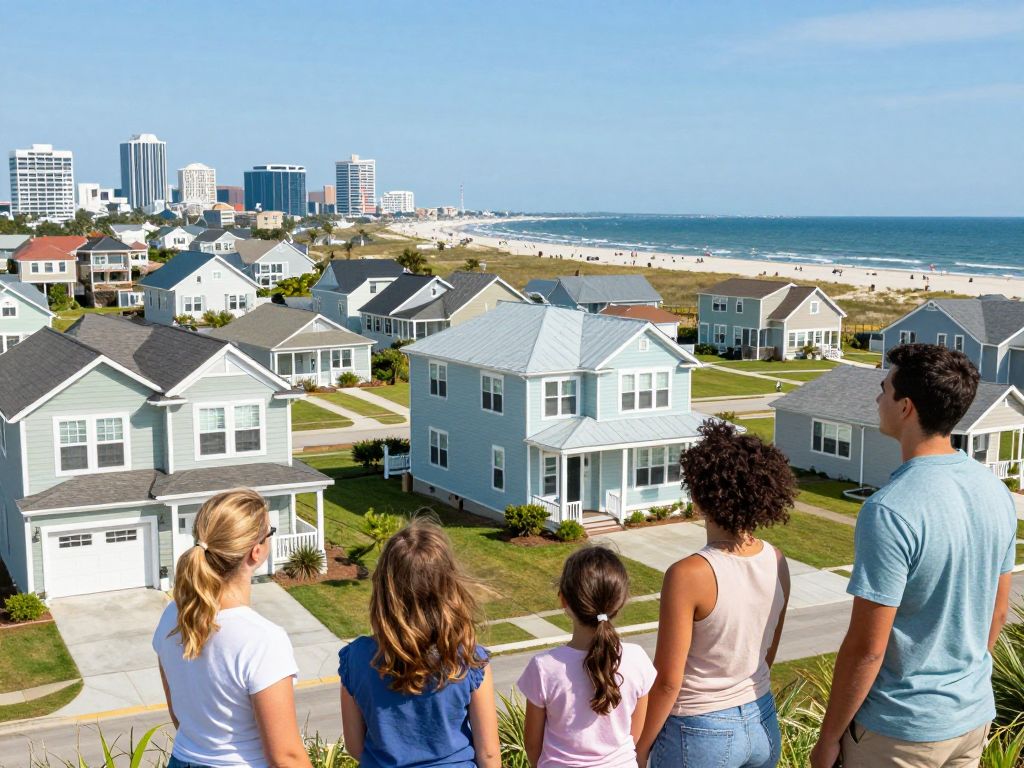
The story doesn’t end with those tragic losses, as Dauphin Island is now at risk once more. With rising sea levels and the consequences of recurrent storms, the island’s land continues to dwindle. Local officials, including Mayor Jeff Collier, have expressed concerns over homes that, while still habitable, could easily vanish during the next storm surge. The need for ongoing reconstruction and rejuvenation has never been more pressing.
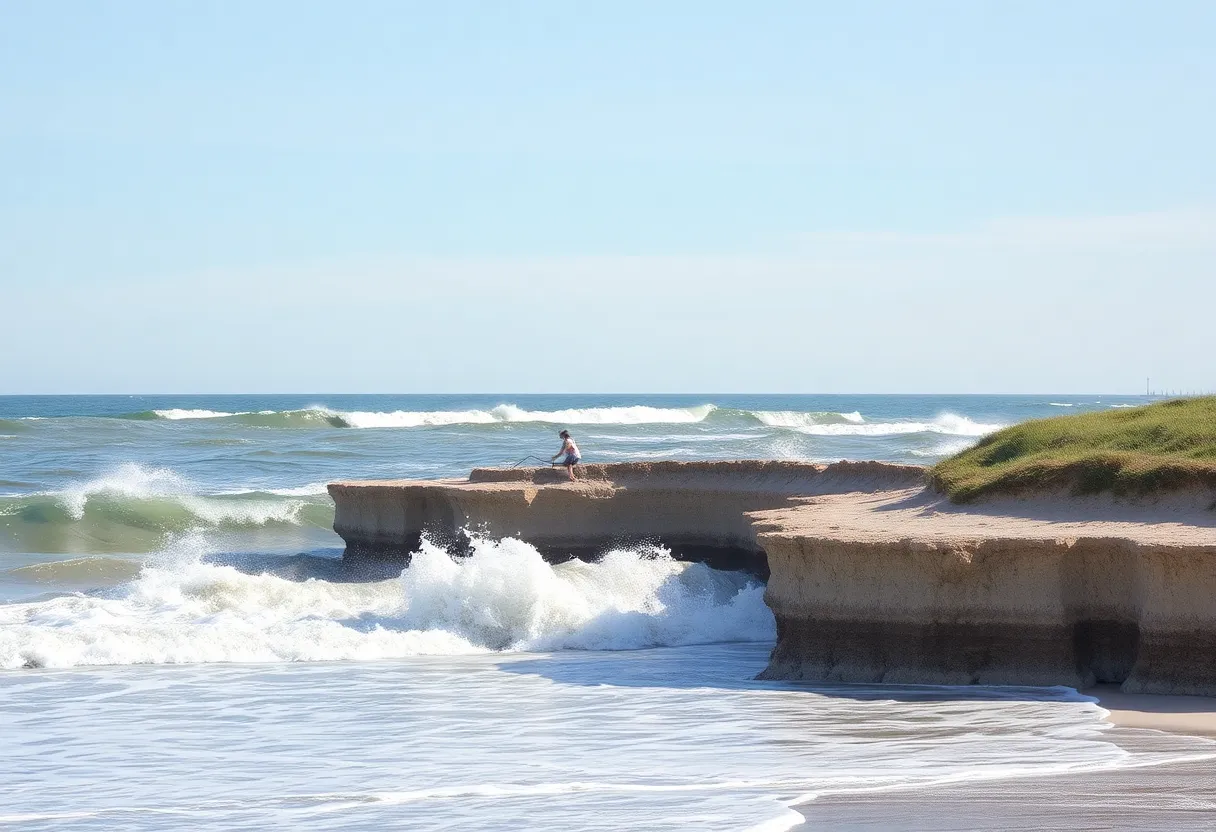
In a bid to restore some of the island’s charm, the local government has begun reconstructing the island’s beautiful white sand beaches, utilizing funds from the Deepwater Horizon Oil Spill settlement. Last year, a beach erosion project made significant strides, pushing Gulf waters back about 350 to 400 feet. But it doesn’t stop there – the island’s beaches are in constant need of regular maintenance to withstand future storms in an era of escalating climate change.
In a heartening testament to community spirit, Dauphin Island residents are witnessing the impacts of erosion over surprisingly short periods. One local noted shocking amounts of sand loss in just a year, highlighting the ongoing challenges. To counteract this, Mayor Collier is pursuing a substantial $60 million project, partially funded by previous oil spill settlement money, aimed at beach restoration efforts essential for the town’s future.
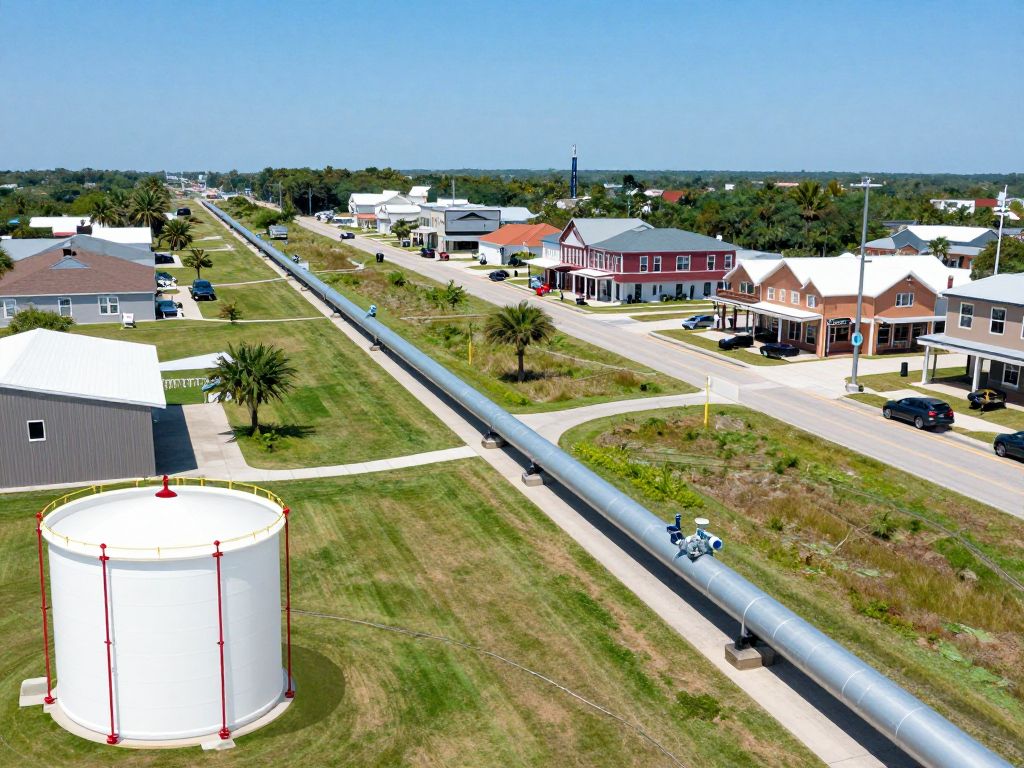
Particularly noteworthy is the $1.2 million grant from the Environmental Protection Agency allocated to upgrade the stormwater runoff systems, an essential move designed to mitigate flooding. As of April, over $420,000 has been spent on this project already, underscoring the urgency for sustainable infrastructure. Yet, obstacles remain; a recently proposed FEMA program called BRIC, which sought to fund crucial disaster mitigation projects, was left hanging when the Trump administration canceled it, causing widespread concern among those in flood-prone areas, including Dauphin Island.
Adding to the uncertainty, a federal judge has put a temporary stop to the reallocation of BRIC funding, citing potential “irreparable harm” to vulnerable communities. In light of these setbacks, Mayor Collier fears having to finance critical hazard mitigation plans out of pocket if grant funds remain elusive. The island’s erosion continues to escalate, emphasizing the importance of swift action as another storm could be right around the corner.
Yet, amidst the challenges, there are beautiful tales of resilience. Local residents who experienced the catastrophic impact of Katrina continue to rebuild—symbolizing hope and determination for a brighter future. New constructions are emerging, exemplifying a community that refuses to back down in the face of adversity.
FAQ Section
What was the impact of Hurricane Katrina on Dauphin Island?
Hurricane Katrina led to the destruction of over 300 homes on Dauphin Island and created a permanent gap known as the “Katrina Cut.” Many properties were submerged, and residents continue to pay taxes on these lots.
How is the town addressing erosion and future storms?
The town is investing in beach restoration projects funded by oil spill settlements and grants from the EPA to improve stormwater runoff systems. However, recent funding cuts from federal programs have raised concerns.
What challenges does Dauphin Island face moving forward?
Dauphin Island grapples with ongoing erosion, funding challenges due to canceled federal programs, and the threat of future storms that continue to put homes and infrastructure at risk.
Key Features
| Feature | Description |
|---|---|
| Hurricane Katrina | Made landfall on August 29, 2005, causing significant destruction and loss of life. |
| Dauphin Island Losses | Over 300 homes destroyed, with significant areas permanently submerged. |
| Erosion Projects | Beach restoration efforts aimed at mitigating ongoing erosion and pushing back Gulf waters. |
| Federal Funding Issues | Cancellations and blockages of critical funding programs impacting local infrastructure projects. |
| Community Resilience | Ongoing rebuilding efforts reflect hope and determination among residents. |
Deeper Dive: News & Info About This Topic
- CBS News: Dauphin Island 20 Years After Hurricane Katrina
- Fox10 News: Katrina’s Impact on Dauphin Island
- NBC15: Dauphin Island Recovers After Katrina
- Wikipedia: Hurricane Katrina
- Encyclopedia Britannica: Hurricane Katrina


Author: STAFF HERE MYRTLE BEACH
The HERE Myrtle Beach Staff Writers are a collaborative team of journalists, editors, and local contributors passionate about delivering accurate, timely information to the Myrtle Beach community. As part of the HEREcity.com Network, which powers over 100 U.S. city sites including HEREcolumbia.com, our staff draws on collective experience in South Carolina journalism to cover everything from business sales and real estate developments to dining deals and community initiatives. Our Expertise and Background Local Roots in Myrtle Beach Our team includes lifelong Myrtle Beach residents and SC natives with deep knowledge of the area’s history, economy, and culture. We’ve covered key events like the recent developments along the Grand Strand, Myrtle Beach’s tourism and hospitality industry, and growth in local education sectors (e.g., Coastal Carolina University programs). Collective Experience With over 50 combined years in journalism, our staff has backgrounds in print, digital media, and community reporting. We prioritize fact-based stories, drawing from sources like the Myrtle Beach Area Chamber of Commerce, city government records, and on-the-ground interviews. Commitment to Quality Every article is a group effort, involving research, editing, and verification to ensure reliability. We adhere to journalistic standards, citing credible sources and updating content as new details emerge.