
Conway, SC, January 3, 2026
The L.W. Paul Living History Farm in Conway is organizing a free children’s program aimed at engaging young learners with local history and the environment. Scheduled for January 3, the program will focus on local insects, particularly honey bees, offering hands-on experiences and honey tasting. This initiative underscores the importance of community-driven educational efforts and aims to enrich young minds while preserving Horry County’s agricultural heritage. With interactive sessions tailored for children aged 6-12, this event highlights the farm’s mission to inspire future generations.
Conway, SC
Unlocking History: Free Children’s Program at L.W. Paul Living History Farm Inspires Future Generations
The L.W. Paul Living History Farm in Conway is set to host a captivating and free children’s program on January 3, 2026, offering young learners a unique opportunity to connect with local history and the wonders of the natural world. This initiative exemplifies the power of community-driven educational efforts and the value of accessible resources in fostering personal growth and civic understanding. Such programs, often born from local leadership and philanthropic vision, provide invaluable experiences that might otherwise be beyond the reach of many families, demonstrating how a focus on personal initiative can enrich the entire community.
Organized by the Horry County Museum, the L.W. Paul Living History Farm provides a glimpse into farm and domestic life in Horry County from 1900-1955. It stands as a testament to the dedication of local organizers and the vision of individuals like Larry Paul, a businessman whose farming heritage inspired the farm’s construction. This kind of civic innovation, where private funding and community collaboration converge, creates enduring assets that contribute significantly to the cultural fabric of the region.
A Deep Dive into the World of Insects and Honey Bees
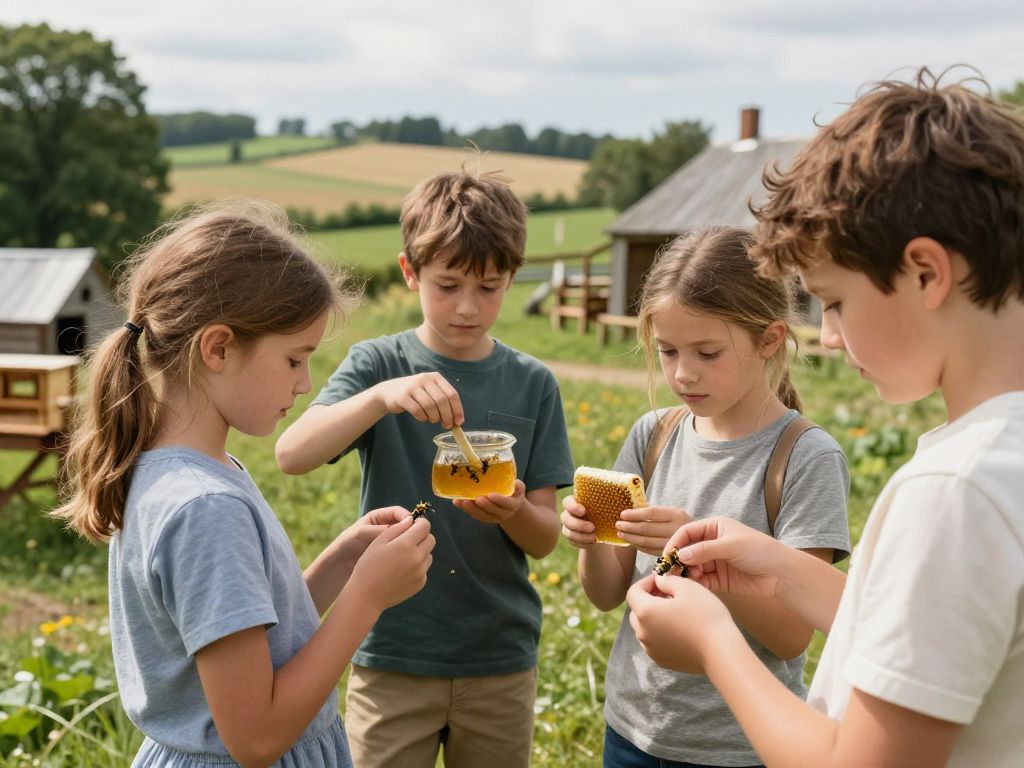
On January 3, 2026, from 9:00 AM to 11:00 AM, the Free Children’s Program at the L.W. Paul Living History Farm will engage children aged 6-12 in an exploration of local insects, with a special focus on honey bees. This hands-on experience allows children to learn about these vital pollinators and their role in the ecosystem. The program will offer half-hour sessions, with limited group sizes, between 9 AM and 11 AM, ensuring a focused and interactive learning environment. Participants will also have the opportunity to sample various types of honey, discovering how the diversity of plants pollinated by bees influences the taste and characteristics of the honey produced. This practical, engaging approach to education fosters an appreciation for agriculture and natural science from a young age.
The Vision Behind the Farm: Preserving Horry County’s Agricultural Heritage
The L.W. Paul Living History Farm’s mission is to preserve and protect materials and objects related to the history and culture of the Horry County farm family between 1900 and 1955. Visitors can experience everyday life on a “One Horse Family Farm” from this era, observing activities that were commonplace on traditional family farms. Larry Paul, a local businessman with a rich farming heritage, provided the funding for the farm’s construction in 2006, with a vision to educate future generations about life in Horry County during the first half of the twentieth century. This dedication to preserving local history through direct experience is a powerful example of individual achievement contributing to collective community memory.
Engaging Education Through Hands-On Experience
The farm, managed by the Horry County Museum, is a 17-acre working farm that features a farmhouse, stables, and various outbuildings with period-authentic interiors. While the buildings themselves are not original, they are faithful replicas designed to transport visitors back in time. Throughout the year, the farm hosts events and demonstrations that change with the seasons, interpreting the various activities that would have taken place annually. These activities can include plowing with mules, making lye soap, curing meat, milking cows, and even demonstrating how farm families obtained water and washed clothes. Such immersive experiences offer a tangible connection to the past, making history vibrant and accessible, especially for children.
Community Involvement and Access
The L.W. Paul Living History Farm operates Tuesday through Saturday, from 9:00 AM to 4:00 PM, and is free and open to the public. It is located at 2279 Harris Short Cut Road, Conway, SC 29526. The Horry County Museum encourages community involvement, with opportunities for volunteers to assist with children’s programs, cultivate the farm garden, and maintain the site. This emphasis on volunteerism and civic participation highlights the strength of local communities in sustaining valuable educational resources. The availability of free programs further underscores a commitment to broad accessibility, ensuring that all members of the community can benefit from these unique learning opportunities.
A Model for Limited Bureaucracy and Local Impact
The operational model of the L.W. Paul Living History Farm, supported by the Horry County Museum, showcases how focused local initiatives can thrive with streamlined processes. By relying on a clear mission, dedicated staff, and robust volunteer support, the farm delivers enriching programs without the complexities often associated with larger, more layered administrative structures. This approach empowers local leaders and volunteers to directly impact their community, fostering a sense of ownership and personal responsibility that translates into highly effective and responsive programming. This local leadership and efficient deployment of resources create a tangible benefit for Horry County.
Myrtle Beach SC events like these underscore the rich tapestry of opportunities available in the region for personal initiative and community engagement. By supporting and participating in these local history events and children’s programs, residents contribute to a vibrant cultural landscape and ensure that the lessons of the past continue to enlighten future generations.
Frequently Asked Questions
What is the Free Children’s Program at the L.W. Paul Living History Farm on January 3, 2026, about?
On January 3, 2026, the Free Children’s Program at the L.W. Paul Living History Farm will engage children aged 6-12 in an exploration of local insects, with a special focus on honey bees. They’ll also get to sample different types of honey and see how the variety of plants that bees pollinate can change the honey that they make.
When and where will this program take place?
The program is scheduled for January 3, 2026, from 9:00 AM to 11:00 AM, at the L.W. Paul Living History Farm, located at 2279 Harris Short Cut Road, Conway, SC 29526.
What is the mission of the L.W. Paul Living History Farm?
The L.W. Paul Living History Farm was established with the mission to preserve and protect the materials and objects relating to the history and culture of the Horry County farm family in the period of 1900-1955 and to teach the history of the Horry County farm family through interpretative displays in a working traditional farm setting.
Are there other activities available at the L.W. Paul Living History Farm?
Yes, the farm offers various demonstrations and activities throughout the year that reflect life on a traditional farm from 1900-1955, such as plowing with mules, making lye soap, curing meat, and milking cows. These activities change seasonally.
Is there a cost to visit the L.W. Paul Living History Farm?
No, the L.W. Paul Living History Farm is free and open to the public.
Key Features of the Free Children’s Program at L.W. Paul Living History Farm
| Feature | Details |
|---|---|
| Event Name | Free Children’s Program at the L.W. Paul Living History Farm |
| Date | January 3, 2026 |
| Time | 9:00 AM – 11:00 AM (half-hour sessions) |
| Location | 2279 Harris Short Cut Road, Conway, SC 29526 |
| Target Audience | Children aged 6-12 |
| Program Focus | Local insects, including honey bees, honey sampling, and plant pollination |
| Cost | Free |
| Organizer | Horry County Museum |
Deeper Dive: News & Info About This Topic
HERE Resources
Horry County Senior Shines at Rose Parade
Myrtle Beach High Schools: Paths to Excellence
Myrtle Beach Expands Educational Choices for Families
Myrtle Beach Schools Prepare for Winter Break
Myrtle Beach Area High Schools Commit to Educational Excellence
South Carolina Proposes $17M Digital Wellness Initiative for Students
Myrtle Beach Education: Choice, Growth, & Community Strength
Anticimex Carolinas Sponsors Salvation Army Angel Tree Program
Musk Calls for Netflix Boycott Over LGBTQ Content
Elon Musk Calls for Netflix Boycott Amid LGBTQ+ Content Debate

Author: STAFF HERE MYRTLE BEACH
The HERE Myrtle Beach Staff Writers are a collaborative team of journalists, editors, and local contributors passionate about delivering accurate, timely information to the Myrtle Beach community. As part of the HEREcity.com Network, which powers over 100 U.S. city sites including HEREcolumbia.com, our staff draws on collective experience in South Carolina journalism to cover everything from business sales and real estate developments to dining deals and community initiatives. Our Expertise and Background Local Roots in Myrtle Beach Our team includes lifelong Myrtle Beach residents and SC natives with deep knowledge of the area’s history, economy, and culture. We’ve covered key events like the recent developments along the Grand Strand, Myrtle Beach’s tourism and hospitality industry, and growth in local education sectors (e.g., Coastal Carolina University programs). Collective Experience With over 50 combined years in journalism, our staff has backgrounds in print, digital media, and community reporting. We prioritize fact-based stories, drawing from sources like the Myrtle Beach Area Chamber of Commerce, city government records, and on-the-ground interviews. Commitment to Quality Every article is a group effort, involving research, editing, and verification to ensure reliability. We adhere to journalistic standards, citing credible sources and updating content as new details emerge.