
Georgetown, SC, February 12, 2026
Georgetown, SC, is undergoing a significant economic transformation with the cleanup of its former steel mill site, paving the way for redevelopment and job creation. This initiative not only addresses environmental concerns but also serves as a foundation for future entrepreneurship, showcasing the collaborative efforts between state support and private sectors in revitalizing the area.
WHAT’S HAPPENING
What is happening with Georgetown’s old steel mill site?
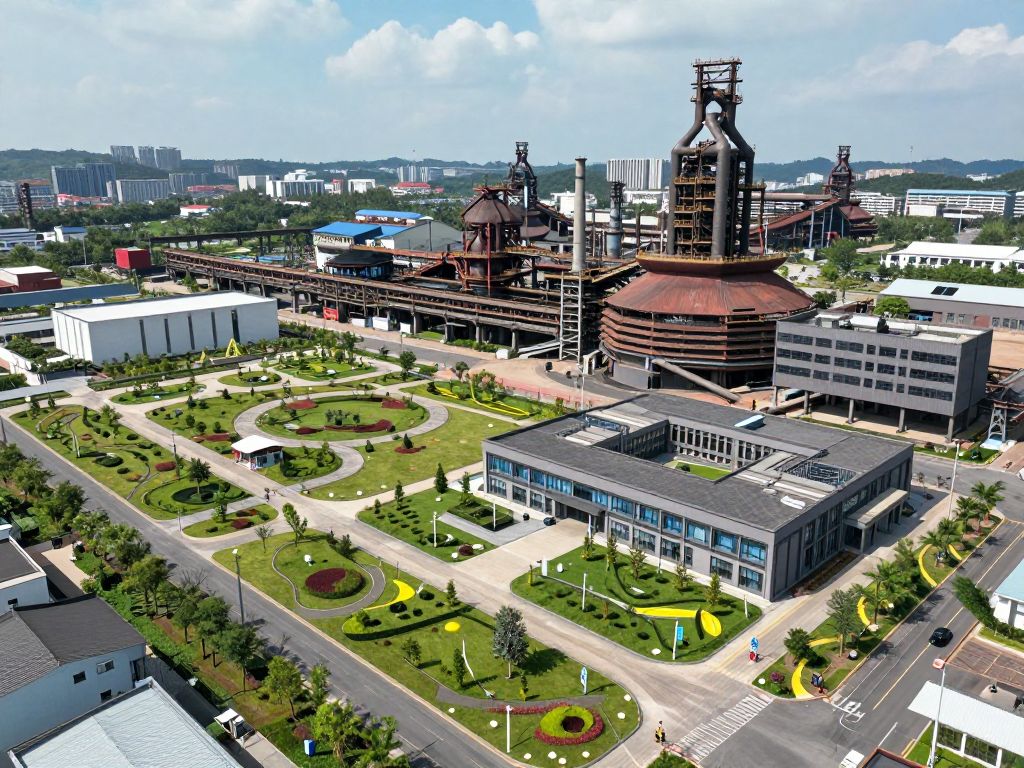
Initiating a significant environmental cleanup, Georgetown is transforming its former steel mill, a brownfield site, to pave the way for new economic development and job creation.
What is a “brownfield” and why is the steel mill classified as one?
Define “brownfield” as a property whose expansion, redevelopment, or reuse may be complicated by hazardous substances. The steel mill is classified as one due to extensive manufacturing operations over many years.
How does the cleanup process work for sites like the Georgetown steel mill?
Involves a series of detailed environmental assessments and site-specific cleanup activities to properly address contaminants, ensuring the land is safe and ready for its intended future use.
How will the cleaned-up site benefit Georgetown’s economy?
Expect the site to attract new industries, create jobs, boost local private investment, and contribute significantly to sustainable regional economic growth.
Is there private interest in redeveloping the former steel mill site?
Absolutely, companies are already expressing interest in the former Georgetown Liberty Steel Mill Site, evaluating options for corrective measures and signaling confidence in its future redevelopment prospects.
Georgetown Leads the Way: Turning Industrial Past into Economic Promise
The cleanup of Georgetown’s former steel mill site heralds a transformative period, paving the way for renewed economic vitality and demonstrating the power of focused redevelopment in the Lowcountry.
Georgetown, South Carolina, stands at the cusp of a significant economic transformation. A major initiative is underway to clean up the former steel mill site, a property historically classified as a ‘brownfield’ due to past manufacturing activities. This effort represents more than just environmental remediation; it embodies a forward-looking vision for economic revitalization, driven by a blend of environmental responsibility and the potential for new entrepreneurial endeavors. For communities across South Carolina, these projects often become canvases for innovation, reflecting the resilience and adaptability of local businesses and visionary developers ready to invest in the future.
The diligent work required to prepare such sites for reuse underscores a commitment to fostering environments where businesses can thrive without the burden of legacy contamination. It highlights how targeted actions can clear pathways for private investment, job creation, and sustainable growth, turning former industrial footprints into foundations for future prosperity. This meticulous approach to environmental challenges is a testament to the belief that with careful planning and dedicated resources, challenging sites can be re-imagined as vibrant centers of commerce and community activity, contributing positively to regional economic development.
Understanding Brownfields and the Georgetown Site’s Potential
A “brownfield” is a property where the expansion, redevelopment, or reuse may be complicated by the presence or potential presence of a hazardous substance, pollutant, or contaminant. The former Georgetown steel mill site falls under this classification, stemming from extensive manufacturing operations conducted over many years. Such sites, while posing initial challenges, also represent significant opportunities for communities like Georgetown. Once cleaned, these areas can be repurposed, attracting new industries, creating jobs, and boosting the local economy. The inherent value of these strategically located industrial parcels, particularly along waterfronts, makes their revitalization a key component of long-term economic planning for the region.
The process of addressing these environmental legacies requires thorough assessment and a commitment to responsible cleanup. For the Georgetown site, this means moving beyond its past as a manufacturing plant to envisioning a future where new ventures can flourish without environmental concerns. This systematic approach not only protects public health and the environment but also unlocks previously constrained land for productive use, a cornerstone of sustainable economic growth for South Carolina entrepreneurs and businesses.
The Cleanup Process and State-Level Support
The remediation of a brownfield site like the former Georgetown steel mill involves a series of detailed environmental assessment and cleanup activities. The extent of this work is site-specific and largely dependent on the intended future use of the property. Such comprehensive efforts ensure that any contaminants from previous manufacturing activities are properly addressed, making the land safe for redevelopment. For sites where a responsible party is not identified, the cabinet directly manages state-lead cleanup efforts for contaminated sites. This demonstrates a proactive approach at the state level to tackle environmental challenges that might otherwise deter private investment.
The goal of programs like the Brownfields/Voluntary Cleanup Program & Loan Fund is explicitly to facilitate the redevelopment of properties. This includes conducting environmental assessments and implementing remediation strategies that align with the site’s future potential. For instance, at the former Ducane Site in South Carolina, environmental assessment and remediation activities have been ongoing since 1999, showcasing the long-term commitment often required for such projects. These initiatives are critical for transforming dormant liabilities into valuable assets, providing a framework for responsible economic development and ensuring that South Carolina’s industrial heritage can be respectfully integrated into its future prosperity.
Catalyzing Future Development and Private Interest
The cleanup of the Georgetown steel mill site is a significant step towards unlocking its full potential for future development. With its industrial waterfront parcels being a focal point, as recognized by the Urban Land Institute Advisory Services panel, the strategic location offers considerable appeal. Environmental work for brownfields is inherently site-specific, meaning that the remediation efforts are tailored to both the type of contamination and the ultimate vision for the property’s reuse. This customized approach allows for efficient resource allocation and ensures that the site will meet the environmental standards necessary for its intended purpose.
Already, there is expressed interest from companies regarding the former Georgetown Liberty Steel Mill Site, signaling confidence in its redevelopment prospects. This interest involves the evaluation of options for corrective measures in an “Analysis of Brownfields Options for Corrective Measures”. Such private sector engagement is vital, as it brings not only capital but also innovative ideas and a drive for efficiency to these complex projects. The synergy between state support for cleanup and private sector vision is a powerful engine for Georgetown SC economic growth, demonstrating how collaborative efforts can transform environmental challenges into tangible economic opportunities for the entire region.
Key Features of the Georgetown Brownfield Cleanup
| Feature | Description | Geographic Scope |
|---|---|---|
| Site Classification | Former steel mill site designated as a “brownfield” due to previous manufacturing contamination. | Georgetown, SC |
| Purpose of Cleanup | To remove contaminants and facilitate future redevelopment and reuse of the property. | Georgetown, SC |
| Funding/Management | Cleanup of contaminated sites can be managed by the cabinet directly (state-lead) if no responsible party exists, potentially utilizing a Hazardous Waste Management Fund. | State-level (South Carolina) |
| Redevelopment Goal | To facilitate the redevelopment of the property, with environmental work being site-specific based on intended future use. | State-level (South Carolina) |
| Private Sector Involvement | Companies are expressing interest in the site, including evaluating corrective measures for brownfields. | Georgetown, SC |
A Foundation for Regional Economic Growth
The cleanup and potential redevelopment of the former Georgetown steel mill site represent a significant milestone for regional economic development. It exemplifies how strategic environmental stewardship can directly translate into new opportunities for South Carolina entrepreneurs and local businesses. By transforming a challenging brownfield site into a viable space for future endeavors, Georgetown is laying down a robust foundation for job creation, increased private investment, and a diversified economy, benefitting not just the immediate community but also contributing to the broader Myrtle Beach SC business landscape.
This initiative underscores a positive trend where environmental responsibility converges with economic ambition, fostering an environment ripe for innovation and growth. It’s a testament to the belief that with determination and a clear vision, communities can overcome past industrial legacies to build prosperous futures. We encourage our readers to stay engaged with these developments and actively support local businesses and initiatives that contribute to the ongoing revitalization of our cherished South Carolina communities. Your involvement helps shape a more dynamic and prosperous future for us all.
Deeper Dive: News & Info About This Topic
HERE Resources
Georgetown’s Root Restaurant Closes Amid Economic Shifts
Horry County Construction Industry Faces Tariff Uncertainty
Georgetown Faces Tough Times as International Paper Announces Mill Closure

Author: STAFF HERE MYRTLE BEACH
The HERE Myrtle Beach Staff Writers are a collaborative team of journalists, editors, and local contributors passionate about delivering accurate, timely information to the Myrtle Beach community. As part of the HEREcity.com Network, which powers over 100 U.S. city sites including HEREcolumbia.com, our staff draws on collective experience in South Carolina journalism to cover everything from business sales and real estate developments to dining deals and community initiatives. Our Expertise and Background Local Roots in Myrtle Beach Our team includes lifelong Myrtle Beach residents and SC natives with deep knowledge of the area’s history, economy, and culture. We’ve covered key events like the recent developments along the Grand Strand, Myrtle Beach’s tourism and hospitality industry, and growth in local education sectors (e.g., Coastal Carolina University programs). Collective Experience With over 50 combined years in journalism, our staff has backgrounds in print, digital media, and community reporting. We prioritize fact-based stories, drawing from sources like the Myrtle Beach Area Chamber of Commerce, city government records, and on-the-ground interviews. Commitment to Quality Every article is a group effort, involving research, editing, and verification to ensure reliability. We adhere to journalistic standards, citing credible sources and updating content as new details emerge.