
Georgetown, SC, January 15, 2026
Georgetown County’s beloved waterfront restaurant, ‘Between the Antlers,’ faces uncertainty but symbolizes local entrepreneurial spirit amidst significant economic shifts. As the region copes with the closure of a major paper mill and strives for economic revitalization, community efforts are essential for the future of local businesses. The restaurant’s temporary closure highlights challenges faced by entrepreneurs in South Carolina, yet it ignites hope for new opportunities in the local economy.
WHAT’S HAPPENING
What’s happening with “Between the Antlers”?
Announced a temporary closure in January 2026, creating uncertainty for the popular waterfront establishment, though an optimistic update hinted at a short-term hiatus. The founder passed away in 2024.
What’s causing the economic changes in Georgetown County?
Primarily, the International Paper mill closed at the end of 2024, resulting in the loss of approximately 700 jobs and impacting the local economy significantly. This closure prompted a broader economic transformation.
How is Georgetown County planning to address these economic shifts?
Engage in comprehensive economic development initiatives to foster job growth, diversify the tax base, and enhance workforce development, including attracting new industries and supporting existing businesses. A $3.6 million EDA grant for the airport also aims to spur private investment and job creation.
What support is available for local businesses in Georgetown?
Access various small business grants, with government allocations for 2026 currently open, alongside state-level pro-business incentives like low corporate tax rates and Job Creation Tax Credits.
How do local regulations affect business development in Georgetown?
Zoning ordinances dictate specific commercial developments, for example, allowing drive-thru restaurants in General Commercial districts but prohibiting them in Resort Commercial areas to maintain distinct characteristics.
Georgetown
Navigating Change on the Waterfront: Georgetown’s Economic Resilience
A beloved waterfront restaurant in Georgetown County faces an uncertain future, reflecting broader shifts and opportunities within the region’s economy and testing the enduring spirit of local entrepreneurs.
The entrepreneurial spirit thrives across South Carolina, where local businesses form the bedrock of communities, fostering unique character and driving economic vitality. Georgetown County, with its rich history and picturesque waterfront, exemplifies a community where the determination of local business owners and strategic economic development efforts are continuously shaping its future. The region is currently navigating significant economic shifts, underscoring the importance of community support and innovative approaches to sustain growth and prosperity for its residents and the broader Grand Strand area.
The resilience of South Carolina entrepreneurs is a recurring theme, particularly as communities adapt to changing economic landscapes. Understanding these shifts and the proactive measures being taken is crucial for anyone invested in the future of Myrtle Beach SC business and the wider regional economy. This dedication to overcoming challenges, often with a focus on private initiative and limited regulatory hurdles, aims to ensure a vibrant future for the local economy.
The Heart of the Waterfront: “Between the Antlers” Faces Temporary Closure
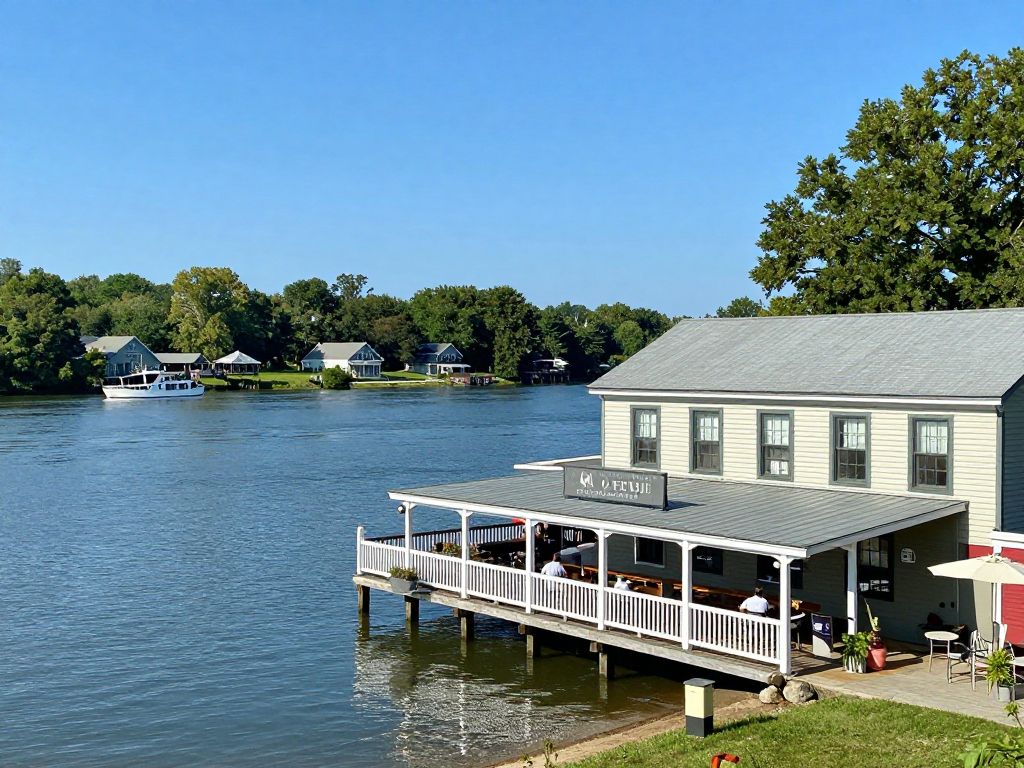
The community of Georgetown recently saw its popular waterfront establishment, “Between the Antlers,” announce its closure on social media. Located at 100 Wood Street in Georgetown, the restaurant has been a fixture for over three years, known for its distinctive food and inviting atmosphere. The initial announcement, posted on a Tuesday, suggested a permanent closure, marking what was described as “the end of a chapter.”
However, a subsequent update offered a more optimistic outlook, hinting that the closure might only be for a “short period of time” with further details to be released. This unexpected turn provides a glimmer of hope for residents and visitors who value the establishment’s contribution to the local dining scene and its scenic views of the Sampit River. The restaurant’s founder, Tom Hall, passed away in 2024, adding another layer to the narrative surrounding this local favorite. The exact timing of its potential reopening and any changes to its operations remain unclear.
Economic Currents: The Post-Paper Mill Era in Georgetown County
The situation with “Between the Antlers” unfolds against a backdrop of significant economic transformation in Georgetown County. A major factor in this shift was the closure of the International Paper mill, a facility built in 1936 or 1937, which ceased operations at the end of 2024. This mill had served as a central economic pillar for Georgetown County for nearly a century.
The closure led to the direct loss of approximately 700 jobs, including 526 hourly and 148 salaried positions, with a broader impact on around 900 workers when contract employees are included. This decision by International Paper was attributed to the termination of a customer contract and the transfer of fluff pulp capacity to other mills. The economic ramifications of this closure extend beyond job losses, with concerns raised about a potential decline in home values and a slowdown for other local businesses that relied on the mill’s workforce. Furthermore, the former mill site will likely require an environmental impact study and cleanup, which could delay new economic development and job creation on that land for up to five years.
Despite these challenges, some local leaders and entrepreneurs view the situation as an opportunity to reimagine Georgetown’s waterfront, potentially attracting new visitors and fostering different types of development. This forward-thinking perspective is critical for the long-term vitality of the Georgetown County economy.
Fostering Growth: Regulations and Regional Business Climate
The regulatory landscape plays a vital role in encouraging or impeding business growth. In Georgetown County, zoning ordinances reflect differing approaches to commercial development. For instance, the General Commercial (GC) district permits restaurants, including those with drive-in or drive-thru services. In contrast, the Resort Commercial (RC) district specifically permits restaurants but explicitly excludes drive-in eating establishments. Such distinctions illustrate how local regulations are tailored to specific areas, aiming to maintain the desired character and functionality of different commercial zones.
A balanced regulatory environment is essential for fostering entrepreneurial innovation and attracting private investment, which benefits the wider Myrtle Beach SC business community. South Carolina is recognized for its pro-business environment, featuring low corporate tax rates and various economic incentives such as Job Creation Tax Credits and Fee In Lieu Of provisions. The state’s status as a Right to Work state further contributes to a favorable climate for businesses looking to establish or expand their operations. These factors collectively support the growth of both new ventures and existing Myrtle Beach small business entities throughout the region.
Community and Entrepreneurial Spirit: A Path Forward
The future of Georgetown County’s economy relies significantly on the enduring spirit of South Carolina entrepreneurs and concerted community efforts. The county is actively engaged in comprehensive economic development initiatives aimed at fostering job growth, diversifying its tax base, and enhancing workforce development. These efforts include attracting new industries and providing robust support for existing local businesses and new startups, including minority-owned and technology enterprises.
Notable among these initiatives is a $3.6 million grant awarded in 2023 by the U.S. Economic Development Administration (EDA) for infrastructure improvements at Georgetown County Airport. This investment is projected to attract an additional $8 million in private investment, creating new commercial opportunities and jobs, particularly within the aeronautics sector. Furthermore, various small business grants are available in Georgetown, with government allocations for 2026 currently open, providing crucial financial support for local ventures. These strategic investments and programs are designed to build a robust and diversified Georgetown County economy, ensuring long-term prosperity.
Key Features of Georgetown County’s Economic Landscape
| Feature | Description | Scope |
|---|---|---|
| Waterfront Restaurant “Between the Antlers” | Announced temporary closure in January 2026; known for atmosphere and views. Founder passed in 2024. | Local |
| International Paper Mill | Closed December 31, 2024; employed approximately 700 workers; economic pillar for nearly a century. | Local |
| Economic Development Initiatives | Focus on job growth, diversification, workforce development, attracting new industries, and supporting small businesses. | Local, State-level |
| U.S. EDA Grant (2023) | $3.6 million for Georgetown County Airport infrastructure; expected to generate $8 million in private investment. | Local, Nationwide |
| Business Regulations (Zoning) | General Commercial District permits drive-thru restaurants; Resort Commercial District prohibits them for restaurants. | Local |
| State Business Environment | Low corporate tax rates, economic incentives (Job Creation Tax Credits, Fee In Lieu Of), Right to Work state. | State-level |
| Small Business Support | Availability of small business grants; government allocations for 2026 are open. | Local, Nationwide |
A Future Forged by Innovation and Community
The current situation with “Between the Antlers” in Georgetown County serves as a reminder of the dynamic nature of local economies and the critical role played by individual businesses. While the closure of a beloved eatery can be disheartening, the broader context of economic change, particularly following the International Paper mill closure, also highlights the resilience and adaptability ingrained within the community. The ongoing efforts in economic development, coupled with a supportive business environment and the determination of South Carolina entrepreneurs, are charting a course toward a diversified and prosperous future.
For the Georgetown County economy, and by extension the entire Myrtle Beach SC business landscape, the path forward involves embracing innovation, strategic investment, and fostering an environment where local businesses can thrive. We encourage our readers to actively support their local establishments, engage with community initiatives, and stay informed about the unfolding economic developments that shape our region’s vibrant future.
Deeper Dive: News & Info About This Topic
HERE Resources
Grand Strand Boat Show & Sportsman Expo Highlights Local Spirit
Local Spirit Soars in Myrtle Beach with Vibrant Community Events
Myrtle Beach Thrives with Local Events and Community Spirit
Myrtle Beach Events Spark Community Spirit & Economic Growth
Savor Success: How SC Restaurant Week Ignites Local Innovation
Myrtle Beach Thrives: Innovation and Infrastructure Drive Growth
Chanticleers Fall to Georgia State After Halftime Lead
Conway Chapter Marks Half a Century of Community Engagement
Myrtle Beach Celebrates New Year with Community Events
Horry-Georgetown Technical College Enhances Career Pathways

Author: STAFF HERE MYRTLE BEACH
The HERE Myrtle Beach Staff Writers are a collaborative team of journalists, editors, and local contributors passionate about delivering accurate, timely information to the Myrtle Beach community. As part of the HEREcity.com Network, which powers over 100 U.S. city sites including HEREcolumbia.com, our staff draws on collective experience in South Carolina journalism to cover everything from business sales and real estate developments to dining deals and community initiatives. Our Expertise and Background Local Roots in Myrtle Beach Our team includes lifelong Myrtle Beach residents and SC natives with deep knowledge of the area’s history, economy, and culture. We’ve covered key events like the recent developments along the Grand Strand, Myrtle Beach’s tourism and hospitality industry, and growth in local education sectors (e.g., Coastal Carolina University programs). Collective Experience With over 50 combined years in journalism, our staff has backgrounds in print, digital media, and community reporting. We prioritize fact-based stories, drawing from sources like the Myrtle Beach Area Chamber of Commerce, city government records, and on-the-ground interviews. Commitment to Quality Every article is a group effort, involving research, editing, and verification to ensure reliability. We adhere to journalistic standards, citing credible sources and updating content as new details emerge.