
Grand Strand Witnesses Full Swing of Sea Turtle Nesting Season
The beachfront region of Myrtle Beach, fondly known as the Grand Strand, is pulsing with life as the sea turtle nesting season peaks. However, amidst the exciting events, this year seems to be slightly offbeat with a fewer number of nests recorded for this esteemed season.
Current Status of Sea Turtle Nests
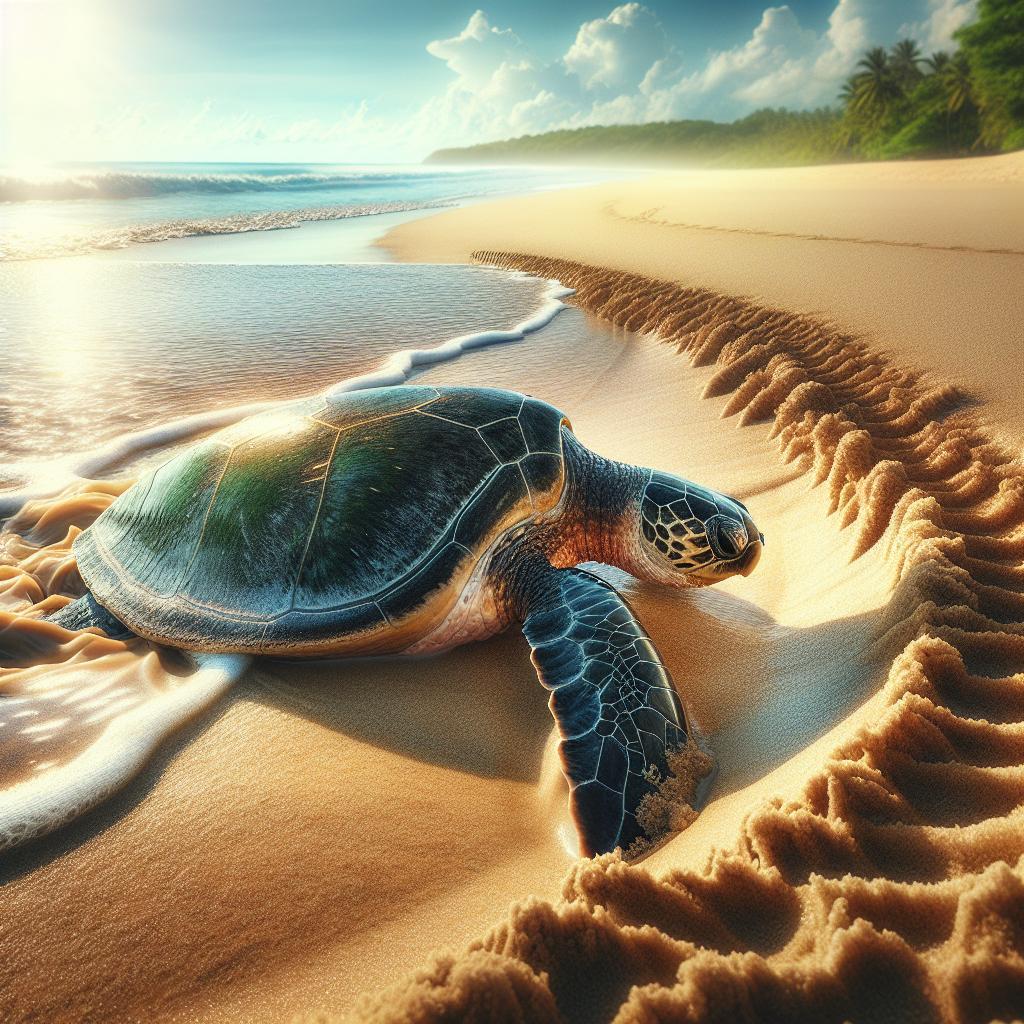
Officials monitoring the situation have confirmed the existence of only two loggerhead turtle nests at Myrtle Beach State Park—one of which emerged just recently. Cumulatively, Horry County has recorded 57 nests this year, contributing to the state-wide tally of 4,700. According to the local Park Ranger, although the numbers are comparatively lower than previous years, it doesn’t signal any alarming situation.
The Impact of Hurricane Season
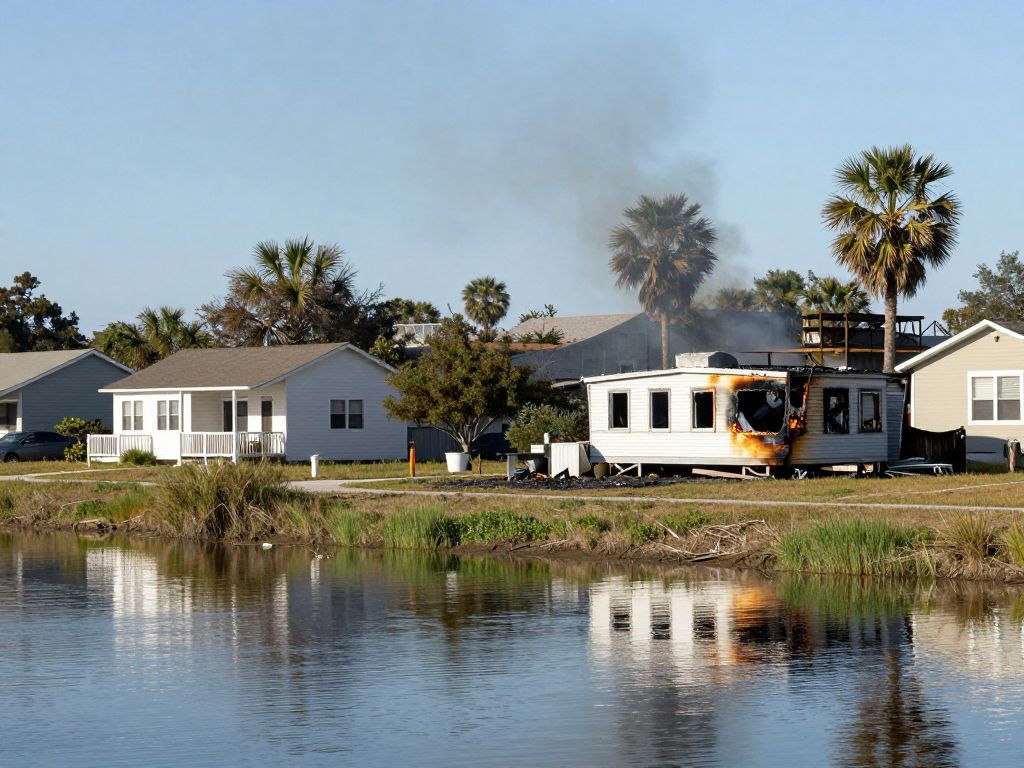
Interestingly, the sea turtle nesting season coincides with the hurricane season. Consequently, storms like Debby, with a significant storm surge, can directly impact turtle nests. The Park Ranger admits that the extent of impact would greatly depend on variables such as the location along the coast, rainfall intensity, storm surge extent, and the beach type, among others.
Although it’s still early to gauge Debby’s impact on local nests, temperature dynamics seem to be a considerable determinant. An increase in temperature can potentially speed up hatching, while cooler and damp weather may retard the process. Usually, sea turtle eggs hatch after 50-60 days, producing hatchlings that instinctively find their way to the water through the moonlight and starlight guided paths.
Human Role and Responsibilities in Sea Turtle Nesting
The populace can contribute significantly towards making this journey safer for hatchlings by turning off artificial lights near the beach so as not to distract them from their path. As per a recent observation, one nest at the park appears to have around 113 eggs; officials are planning to conduct an inventory soon.
Further, people are urged to maintain the cleanliness of beaches by filling in cavities and picking up litter to ensure unobstructed access to water for hatchlings. Importantly, human activities must be limited and carefully overseen in and around the sand dunes to prevent any inadvertent harm to the turtle nests.
While the nesting season usually extends from May to October, the most bustling period falls between June and August. This crucial time brings everyone closer to nature, offering a first-hand view of the awe-inspiring lifecycle of sea turtles.
Author: HERE News, Source: HERE News Network


Author: STAFF HERE MYRTLE BEACH
The HERE Myrtle Beach Staff Writers are a collaborative team of journalists, editors, and local contributors passionate about delivering accurate, timely information to the Myrtle Beach community. As part of the HEREcity.com Network, which powers over 100 U.S. city sites including HEREcolumbia.com, our staff draws on collective experience in South Carolina journalism to cover everything from business sales and real estate developments to dining deals and community initiatives. Our Expertise and Background Local Roots in Myrtle Beach Our team includes lifelong Myrtle Beach residents and SC natives with deep knowledge of the area’s history, economy, and culture. We’ve covered key events like the recent developments along the Grand Strand, Myrtle Beach’s tourism and hospitality industry, and growth in local education sectors (e.g., Coastal Carolina University programs). Collective Experience With over 50 combined years in journalism, our staff has backgrounds in print, digital media, and community reporting. We prioritize fact-based stories, drawing from sources like the Myrtle Beach Area Chamber of Commerce, city government records, and on-the-ground interviews. Commitment to Quality Every article is a group effort, involving research, editing, and verification to ensure reliability. We adhere to journalistic standards, citing credible sources and updating content as new details emerge.