

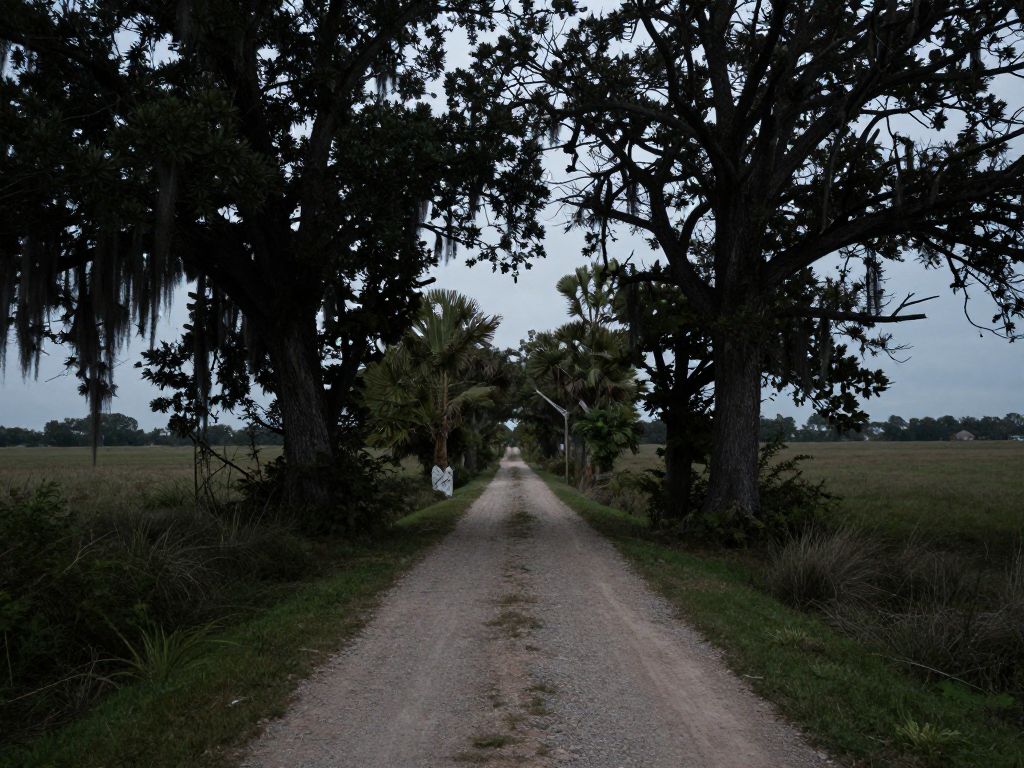
Horry County, January 25, 2026
A teenager from Green Sea has pleaded guilty to the murder of a man whose body was discovered in rural Horry County. This plea comes after the victim was reported missing, leading to a search that tragically ended with the recovery of his remains. The courtroom acknowledgment of guilt provides a measure of closure for the community grappling with the loss. This case is part of a broader conversation about justice for victims of violent crimes, highlighting challenges faced in similar cases across the nation.
CONWAY, SOUTH CAROLINA — A Green Sea teenager entered a guilty plea for the murder of a man whose body was discovered in rural Horry County on January 22, 2026. This development marks a significant point in a case that began with the victim’s disappearance, eventually leading to the somber recovery of his remains. The judicial process, a mechanism for discerning truth and accountability, moved forward as the teenager acknowledged responsibility for the profound loss of life.
The victim had been previously reported missing, sparking a search that culminated in the discovery of the body. Such moments, when a community grapples with the violent end of a life and the subsequent search for answers, bear a quiet weight. The formal acknowledgment of guilt on January 22, 2026, draws a line of closure, however stark, for those touched by the tragedy.
Context of Justice and Unresolved Cases
Across the nation, the pursuit of justice for victims of violent crime continues, often presenting complex challenges, particularly in cases where evidence is scarce or bodies remain unrecovered. While the Horry County case saw the body located, other instances highlight the intricate legal landscape surrounding murder convictions even in the absence of a victim’s body. These cases, though distinct, underscore the persistent efforts to bring perpetrators to justice. For example, a man in Blount County was recently convicted in his mother’s 2023 murder. Similarly, in Scioto County, Ohio, a man pleaded guilty in December 2025 in a suspected murder where the body was never found. These instances reflect the diligent work of law enforcement and legal systems in navigating the often-painful paths toward resolution.
The commitment to resolving long-standing mysteries is also evident in ongoing efforts to identify victims from past decades. In Florida, the Polk County Sheriff’s Office, in collaboration with Othram, successfully identified a 1972 homicide victim whose body had been found more than five decades ago, offering a measure of peace after many years. Such developments, whether from recent events or cold cases, serve as a testament to the enduring human need for justice and understanding in the face of profound loss. The pathways of justice are not always swift, nor are they always clear, yet the dedicated pursuit of facts and accountability remains a cornerstone of a compassionate society.