

News Summary
Gregory Haskins, a shark fishing guide, is challenging Horry County’s ban on land-based shark fishing in court, claiming it undermines conservation efforts and violates constitutional rights. The ban prohibits catching sharks within a mile of the beach, which Haskins argues is detrimental to effective shark management and local fishing traditions. He is partnering with Shoreline Shark Conservation to address public misconceptions about shark safety and the necessity of traditional fishing practices. The lawsuit’s outcome could impact local fisheries and conservation efforts across South Carolina.
Horry County Fisherman Challenges Shark Fishing Ban in Court
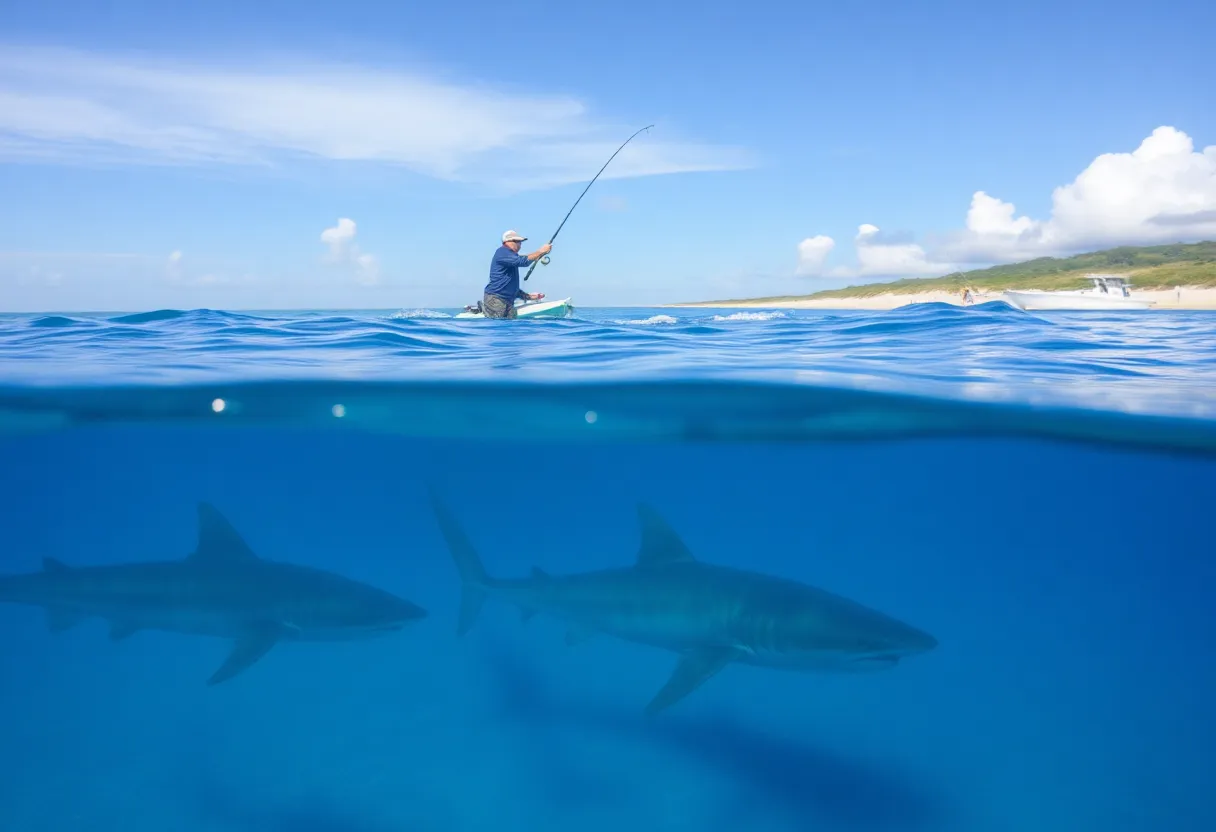
Horry County, South Carolina – Gregory Haskins, owner of a shark fishing guide service known as Catching With Greg, is legally contesting the county’s ban on land-based shark fishing, which he claims violates constitutional rights and undermines shark conservation. The lawsuit aims to prevent the enforcement of a prohibition that Haskins asserts is detrimental not only to his business but also to effective shark management efforts.
The ordinance, enforced by Horry County, prohibits attempts to catch sharks and other potentially dangerous species within one mile of the beach. Haskins argues that fishing for sharks can be a crucial measure to help control shark populations, which, in turn, could lower the risks of shark attacks. He believes that the county’s ban promotes an irrational fear of sharks masquerading as a public safety measure.
As part of his legal challenge, Haskins has partnered with Shoreline Shark Conservation, an organization that collaborates with the National Oceanic and Atmospheric Administration (NOAA) in tagging sharks. This initiative focuses on collecting data and understanding shark behavior, which supports conservation efforts within the region. According to Haskins, the ban could significantly hinder the effectiveness of such programs, as active fishing is necessary for population monitoring.
Haskins further contends that traditional shark fishing has historically been safe, with no reported injuries or attacks on bystanders or swimmers resulting from the practice. He claims the ban contradicts provisions in the South Carolina Constitution that underscore the importance of hunting and fishing for wildlife conservation and management. This constitutional argument forms a significant part of Haskins’ appeal for an injunction against the ban.
Historical Context of Fishing in Horry County
The lawsuit also highlights the historical significance of fishing in Horry County. From its origins in early trading to its current standing as a tourist destination for fishing enthusiasts, Haskins emphasizes that fishing activities are an integral part of the local culture and economy. He argues that the county’s prohibition may be an overreach that undermines existing fishing traditions and the rights of local residents to engage in such activities.
In addition to his challenges against Horry County, Haskins has raised concerns regarding other proposed bans in nearby Georgetown County. This legislation aims to impose restrictions on surf fishing and ban shark fishing from public beaches during daytime hours. Haskins fears these restrictions could severely impact his operations and be detrimental to local fishermen striving to thrive in the industry.
Public Misconceptions about Sharks
One of the key issues raised by Haskins is the public perception of sharks. He believes that many activities deemed safe, such as swimming or even boating, pose greater risks than fishing for sharks. His assertion is that fear surrounding sharks is largely based on misconceptions that do not align with empirical data. Haskins stresses the need for an informed public discussion about sharks and the significance of sport fishing in contributing to effective management and understanding of these species.
As Haskins prepares for his court case, the response from Horry County and NOAA regarding the lawsuit remains undisclosed, with neither party providing immediate comment on the situation. The outcome of this dispute could have lasting implications not only for local fishing practices but also for shark conservation efforts in the region. The legal proceedings may set a precedent for how similar regulations are enforced across South Carolina.
Deeper Dive: News & Info About This Topic
HERE Resources
Unexpected Shark Drop During Disc Golf Game
Georgetown County Council Proposes Beach Fishing Restrictions
Myrtle Beach Experiences Unbelievable Shark Fall
Surfside Beach Considers New Aerial Arts Regulations
Fisherman’s Day Turns Dangerous in Murrells Inlet
Additional Resources
- Myrtle Beach Online
- Wikipedia: Shark fishing
- WBTW News
- Encyclopedia Britannica: Shark
- Coastal Observer
- Google Search: Shark conservation
- My Horry News
- Google News: Shark fishing ban


Author: STAFF HERE MYRTLE BEACH
The HERE Myrtle Beach Staff Writers are a collaborative team of journalists, editors, and local contributors passionate about delivering accurate, timely information to the Myrtle Beach community. As part of the HEREcity.com Network, which powers over 100 U.S. city sites including HEREcolumbia.com, our staff draws on collective experience in South Carolina journalism to cover everything from business sales and real estate developments to dining deals and community initiatives. Our Expertise and Background Local Roots in Myrtle Beach Our team includes lifelong Myrtle Beach residents and SC natives with deep knowledge of the area’s history, economy, and culture. We’ve covered key events like the recent developments along the Grand Strand, Myrtle Beach’s tourism and hospitality industry, and growth in local education sectors (e.g., Coastal Carolina University programs). Collective Experience With over 50 combined years in journalism, our staff has backgrounds in print, digital media, and community reporting. We prioritize fact-based stories, drawing from sources like the Myrtle Beach Area Chamber of Commerce, city government records, and on-the-ground interviews. Commitment to Quality Every article is a group effort, involving research, editing, and verification to ensure reliability. We adhere to journalistic standards, citing credible sources and updating content as new details emerge.