
Charleston Reimagines Indigo’s Historical Legacy
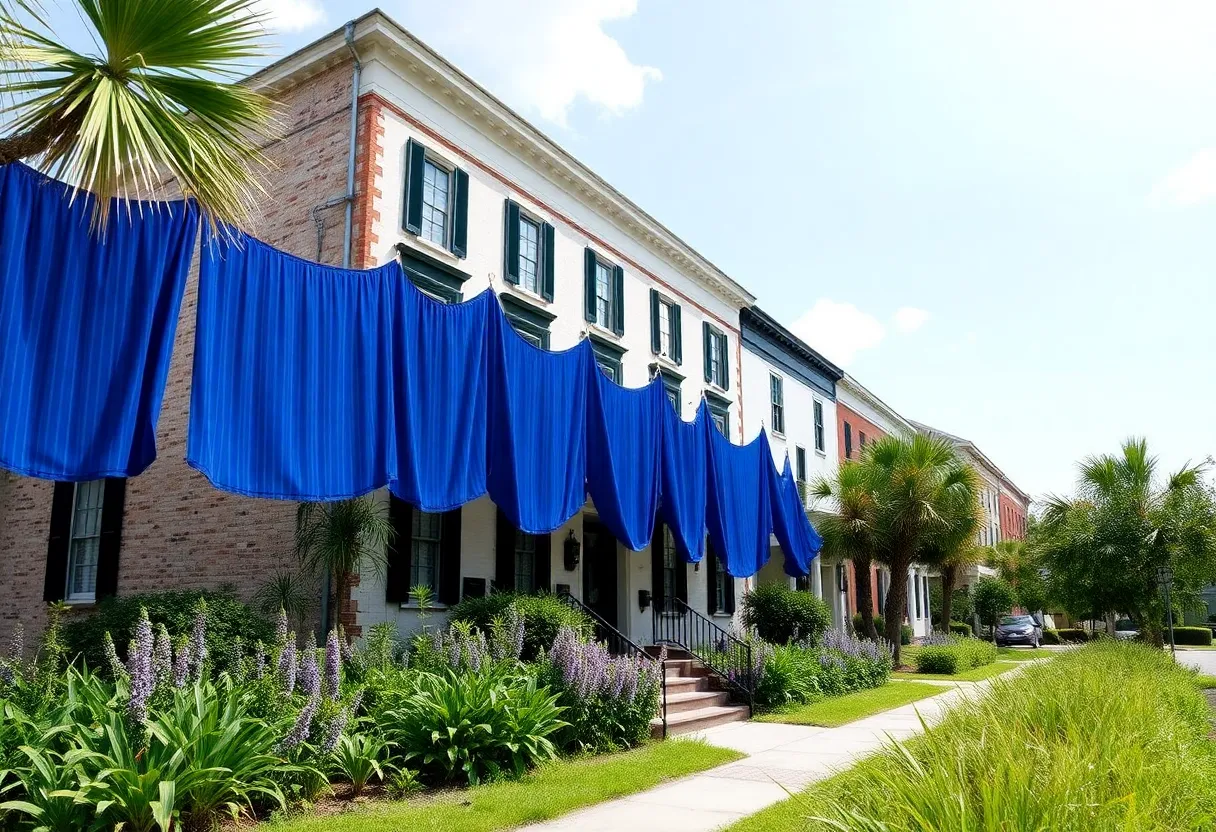
Charleston, South Carolina, is experiencing a resurgence of indigo, a vibrant blue dye deeply embedded in the region’s history. On a tranquil spring morning nearly ten years ago, textile artist Leigh Magar stumbled upon a hidden patch of wild blue indigo while walking in the woods of Johns Island. Magar’s discovery serves as a symbol of a growing movement where artists, farmers, and designers are reconnecting with this vital crop and its rich cultural heritage.
What is Driving the Indigo Revival?
The initiative to revive indigo is part of the broader “seed to stitch” movement, which emphasizes sustainable practices in textile production. This involves not only growing the indigo plant, known scientifically as Indigo suffruticosa, but also harvesting and processing it into dye. Magar, known for her indigo-dyed garments and accessories, is at the forefront of this creative endeavor, showing how history can inform contemporary practices.
The Historic Significance of Indigo
Historically, indigo was a critical cash crop in 18th-century South Carolina, much like rice and cotton. It relied heavily on the skills and labor of enslaved Africans who cultivated the plantations and produced the dye for European markets. The indigo trade profoundly influenced the region’s economic landscape and cultural heritage. Today, the revival of indigo gives a nod to this rich past while also acknowledging its complex legacy.
Where is the Indigo Movement Flourishing?
This vibrant movement is not limited to Charleston or its immediate surroundings. It is spreading throughout South Carolina and beyond, fueled by a collective interest in plant-based dyes. Indigo is often paired with other natural dyes, like turmeric and marigolds, to create diverse color palettes while promoting environmental sustainability. Recent exhibitions, such as “African Fashion” and “Blue Gold: The Art and Science of Indigo,” further spotlight the cultural ties indigo has to Africa and its modern applications in fashion.
When Did This Revival Begin?
The revival takes root in a decade-old trend, spurred by a growing awareness of sustainable fashion and natural dye processes. As consumers learn more about harmful synthetic dyes and their environmental impact, many are turning to traditions that honor nature—indigo being a prime example. The newfound appreciation showcases not just aesthetic value but also a cultural dialogue regarding the history and influence of textiles.
Why Indigo Matters Today
For many involved, revitalizing indigo represents a journey toward understanding the past while embracing sustainable practices for the future. Artists like Magar emphasize not just the beauty of the dye but its storied history. The emphasis is on craftsmanship, ethical production, and a connection to the land, making it essential in today’s world focused on sustainability.
In this evolving landscape, the indigo revival serves as a testament to the power of art and agriculture in healing historical wounds and reimagining futures. As the passion for indigo continues to grow, Charleston stands at the forefront, demonstrating how one plant can intertwine with a community’s identity and culture.


Author: STAFF HERE MYRTLE BEACH
The HERE Myrtle Beach Staff Writers are a collaborative team of journalists, editors, and local contributors passionate about delivering accurate, timely information to the Myrtle Beach community. As part of the HEREcity.com Network, which powers over 100 U.S. city sites including HEREcolumbia.com, our staff draws on collective experience in South Carolina journalism to cover everything from business sales and real estate developments to dining deals and community initiatives. Our Expertise and Background Local Roots in Myrtle Beach Our team includes lifelong Myrtle Beach residents and SC natives with deep knowledge of the area’s history, economy, and culture. We’ve covered key events like the recent developments along the Grand Strand, Myrtle Beach’s tourism and hospitality industry, and growth in local education sectors (e.g., Coastal Carolina University programs). Collective Experience With over 50 combined years in journalism, our staff has backgrounds in print, digital media, and community reporting. We prioritize fact-based stories, drawing from sources like the Myrtle Beach Area Chamber of Commerce, city government records, and on-the-ground interviews. Commitment to Quality Every article is a group effort, involving research, editing, and verification to ensure reliability. We adhere to journalistic standards, citing credible sources and updating content as new details emerge.