

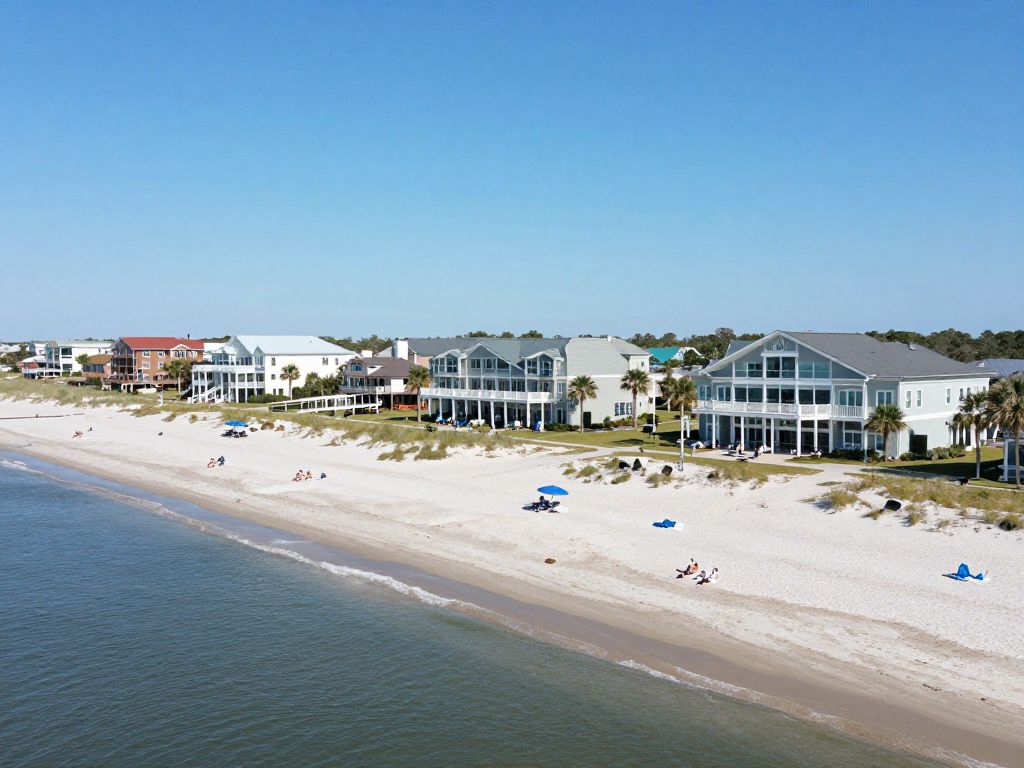
North Myrtle Beach, December 26, 2025
A North Carolina man, Ronald Cope, has filed a lawsuit against the Best Western Ocean Sands Beach Resort, alleging he contracted Legionnaires’ disease during his stay. He claims the resort’s negligence regarding water cleanliness resulted in medical bills exceeding $24,000. The case raises ongoing public health concerns in Myrtle Beach related to waterborne pathogens and guest safety. Cope seeks compensation for his medical expenses and other damages due to the severe bacterial infection.
North Myrtle Beach
A North Carolina man has filed a lawsuit alleging he became gravely ill with Legionnaires’ disease after a stay at a North Myrtle Beach resort, highlighting the enduring concerns regarding public health and safety in transient accommodations. Ronald Cope, a resident of Wake County, North Carolina, claims he contracted the severe bacterial infection during a visit to the Best Western Ocean Sands Beach Resort located at 1525 S. Ocean Blvd. in June 2023. The lawsuit, filed recently, accuses the resort and its general manager of negligence, specifically citing a failure to ensure the proper cleanliness of water sources within the facility and to adequately warn guests of potential dangers.
Mr. Cope’s complaint details a significant personal toll, reporting medical bills exceeding $24,000 as a direct consequence of his illness. Legionnaires’ disease, a severe form of pneumonia, can manifest with serious respiratory and systemic complications, demanding intensive medical care. The legal action seeks a financial judgment against the defendants to cover these substantial medical expenses, alongside other damages and interest determined by a jury, reflecting the profound disruption and suffering endured. As of the time of reporting, representatives for Best Western have not issued a public comment regarding the allegations.
This recent filing emerges against a backdrop of intermittent public health concerns associated with waterborne pathogens and environmental safety within the broader Myrtle Beach area. While Mr. Cope’s case specifically concerns Legionnaires’ disease, other past incidents in the region have drawn attention to the presence of different severe bacterial infections, sometimes colloquially referred to as flesh-eating bacteria. In 2019, a South Carolina woman, Beverly Lanham, initiated legal proceedings against Wild Water & Wheels in Surfside Beach, alleging she contracted necrotizing fasciitis after sustaining a scrape in a wave pool in June 2017. Her lawsuit sought over $1 million for medical bills, disfigurement, and persistent pain, asserting the water park failed in its duty to maintain water quality and conduct proper testing. Similarly, in 2017, a claim surfaced regarding a Lumberton, North Carolina, woman who allegedly contracted a life-threatening bacteria in Myrtle Beach, though local authorities had not confirmed the presence of flesh-eating bacteria at that time and emphasized regular ocean water quality testing.
Such events, though varied in their specific microbiological origins and circumstances, collectively underscore the critical importance of stringent maintenance protocols in public-facing establishments that involve water features. They remind us that behind each statistic and legal claim lies an individual’s journey through unforeseen illness, often accompanied by considerable physical and financial strain. The human dimension of these matters — the sudden onset of severe sickness during what should be a time of leisure, the burden of recovery, and the quest for accountability — invites a moment of reflection on the trust placed by travelers in the safety standards of their temporary abodes.
Beyond bacterial infections, resorts in the Myrtle Beach area have faced other lawsuits related to guest safety and well-being. Several recent cases have involved allegations of bed bug infestations, with patrons claiming injuries, medical expenses, and emotional distress from bites sustained during their stays. One such lawsuit was filed in January 2025 by Pennsylvania residents against a North Myrtle Beach vacation rental, and another in December 2024 against a Myrtle Beach resort. Furthermore, a settlement exceeding $26 million was reached in January 2024 in a federal lawsuit involving a child who suffered severe chemical burns from a pool at a Myrtle Beach resort in 2020, with the lawsuit revealing falsified chlorine level records. These varied legal actions collectively highlight the ongoing scrutiny over the adherence to safety and hygiene standards across various types of accommodations in popular tourist destinations.
The South Carolina Department of Health and Environmental Control (DHEC) sets standards for water quality in recreational facilities, and victims of severe infections or injuries in such settings may have legal avenues to pursue claims, seeking redress for their losses. The accumulation of such incidents, whether from bacterial contamination or other environmental hazards, serves as a poignant reminder of the vigilance required by both proprietors and public health authorities to safeguard the public’s well-being and preserve the cherished respite that travel promises.
Frequently Asked Questions
- What is the primary bacterial infection alleged in the recent North Myrtle Beach lawsuit?
- The North Carolina man in the recent lawsuit alleges he contracted Legionnaires’ disease, a severe form of pneumonia.
- Which resort is named in the lawsuit?
- The lawsuit names the Best Western Ocean Sands Beach Resort, located at 1525 S. Ocean Blvd. in North Myrtle Beach.
- When did the alleged infection occur?
- The plaintiff alleges the infection occurred during a visit to the resort in June 2023.
- What is the basis of the negligence claim against the resort?
- The lawsuit accuses the resort and its general manager of negligence for allegedly failing to ensure the proper cleanliness of water sources and to adequately warn guests of potential dangers.
- What financial impact has the alleged infection had on the plaintiff?
- The plaintiff has reported accumulating medical bills exceeding $24,000 as a result of the infection.
- Have there been other bacterial infection lawsuits in the Myrtle Beach area?
- Yes, there have been past lawsuits, including one in 2019 where a woman alleged contracting necrotizing fasciitis (flesh-eating bacteria) at a Surfside Beach water park in 2017.
- What other types of safety lawsuits have faced Myrtle Beach area resorts?
- Myrtle Beach area resorts have faced lawsuits related to bed bug infestations and cases of guests suffering chemical burns from pools.
Key Features of the Recent North Myrtle Beach Lawsuit
| Feature | Description | Scope |
|---|---|---|
| Plaintiff | Ronald Cope, from Wake County, North Carolina | State-level (North Carolina) |
| Alleged Infection | Legionnaires’ disease (severe form of pneumonia) | State-level (South Carolina, where contracted) |
| Location of Alleged Infection | Best Western Ocean Sands Beach Resort, North Myrtle Beach | Local (North Myrtle Beach) |
| Date of Visit | June 2023 | Specific Event |
| Alleged Cause | Resort’s negligence in water source cleanliness and failure to warn guests | Local (North Myrtle Beach) |
| Medical Bills Reported | Exceeding $24,000 | Individual Impact |
| Legal Action Sought | Financial judgment for damages and interest | State-level (South Carolina courts) |
Deeper Dive: News & Info About This Topic
HERE Resources
Tragic Settlement for Conway Woman’s Family Following Fatal Accident

Author: STAFF HERE MYRTLE BEACH
The HERE Myrtle Beach Staff Writers are a collaborative team of journalists, editors, and local contributors passionate about delivering accurate, timely information to the Myrtle Beach community. As part of the HEREcity.com Network, which powers over 100 U.S. city sites including HEREcolumbia.com, our staff draws on collective experience in South Carolina journalism to cover everything from business sales and real estate developments to dining deals and community initiatives. Our Expertise and Background Local Roots in Myrtle Beach Our team includes lifelong Myrtle Beach residents and SC natives with deep knowledge of the area’s history, economy, and culture. We’ve covered key events like the recent developments along the Grand Strand, Myrtle Beach’s tourism and hospitality industry, and growth in local education sectors (e.g., Coastal Carolina University programs). Collective Experience With over 50 combined years in journalism, our staff has backgrounds in print, digital media, and community reporting. We prioritize fact-based stories, drawing from sources like the Myrtle Beach Area Chamber of Commerce, city government records, and on-the-ground interviews. Commitment to Quality Every article is a group effort, involving research, editing, and verification to ensure reliability. We adhere to journalistic standards, citing credible sources and updating content as new details emerge.