
Myrtle Beach, January 18, 2026
The Myrtle Beach area is experiencing a significant drop in temperatures due to an Arctic chill, plunging into the teens. This chilly shift has prompted concerns for residents, who are urged to prepare for dangerously cold conditions and protect their properties. The cold weather advisory emphasizes the importance of safeguarding exposed pipes, protecting vegetation, and ensuring the well-being of pets. Historical patterns show that such extreme weather is not uncommon for the area, reminding the community of the collective responsibility to care for each other during these harsh winters.
Myrtle Beach
Arctic Chill Grips Myrtle Beach Area as Temperatures Plunge
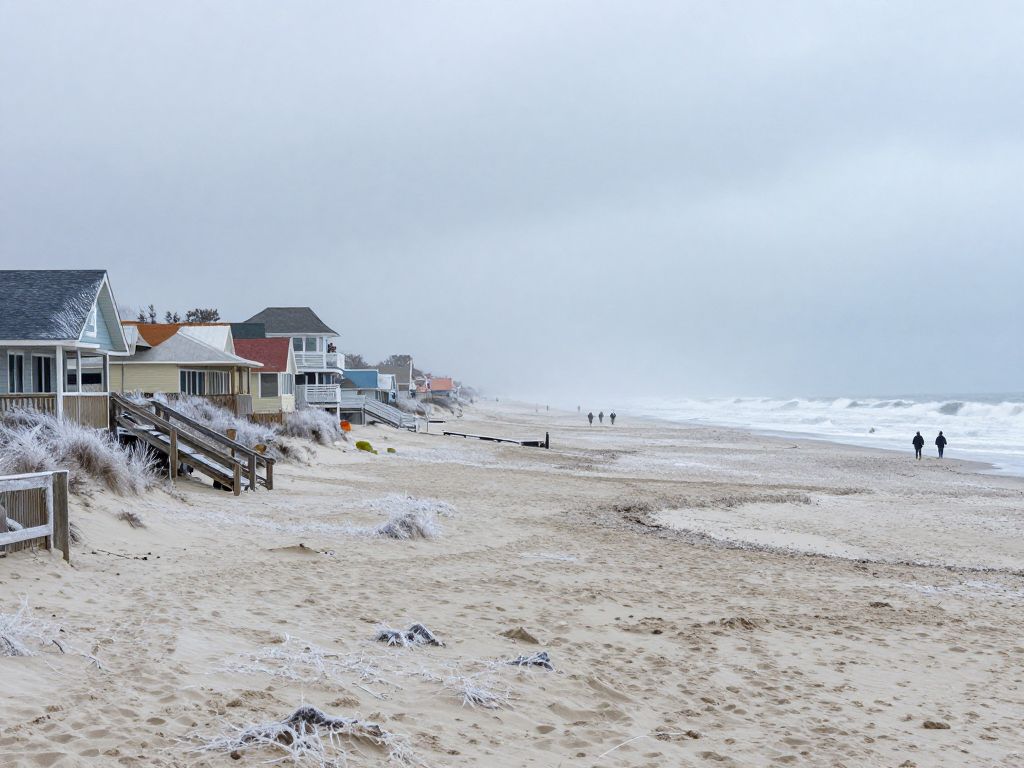
A profound chill has settled upon the Myrtle Beach area, bringing with it a notable drop in temperatures that will see readings plunge into the teens. This significant meteorological event, driven by a recent surge of Arctic air, marks a distinct shift from the milder conditions experienced just last week, which offered a brief reprieve. Residents are advised to prepare for conditions that will feel acutely cold, necessitating careful attention to personal well-being and property, as the profound shift in weather demands a thoughtful and coordinated response from individuals and communities alike.
Immediate Impact and Forecast
The expected temperature decline places the region firmly in hard freeze territory. While the exact timing of the most intense cold fronts can vary, forecasts from four days ago indicated that the drop would be substantial, with areas across the Grand Strand experiencing temperatures that demand vigilance. This ongoing cold snap has already seen temperatures fall significantly, with forecasts predicting lows in the single digits for beaches and inland areas, creating what meteorologists describe as a “brutally cold” environment that challenges the unprepared. The pervasive cold is not merely a number on a thermometer; its true impact is often amplified by accompanying winds. In regions such as Western North Carolina, these winds are known to drive wind chill values even lower, making the ambient air feel considerably colder than the numerical reading. This combined assault of low temperatures and chilling winds underscores the necessity of robust protective measures.
Historical Context and Regional Patterns
This current period of intense cold, while perhaps sharp in its immediate impact, echoes broader historical patterns. The region has contended with similar conditions before, recalling instances where extremely cold air, with temperatures in the teens, has settled over coastal areas including Charleston, Myrtle Beach, and Wilmington. A notable example is the Christmas coastal snowstorm of 1989, which brought snow with air temperatures already in the teens, illustrating the periodic return of such formidable winter weather. Such events are characteristic of broader atmospheric movements that occasionally deliver powerful blasts of Arctic air across the Southern United States, transforming familiar landscapes and posing unique challenges to infrastructure and daily life. Beyond the immediate coastal plain, other parts of the South have recently contended with parallel struggles against the cold. Western North Carolina, for instance, has experienced low temperatures in the single digits to teens, accompanied by severe wind chill factors, demonstrating a regional vulnerability to these cold air masses. Similarly, in past years, the onset of new years has seen strong cold air masses push into Florida, leading to freezing temperatures, particularly in the Panhandle, and resulting in significantly low average temperatures when these blasts occur. These recurring patterns remind us that while each cold snap is unique in its particularities, the overarching phenomenon of Arctic air intrusions is a recurrent, powerful force shaping the winter experience across the southern latitudes.
Community Preparedness
With temperatures expected to remain in the lower ranges for the foreseeable future, a cold weather advisory has been anticipated, urging residents to take proactive measures. These protective steps are not merely practical but reflect a deep human instinct for care: securing exposed pipes to prevent costly damage, protecting sensitive vegetation from the frost’s bite, and ensuring adequate shelter for pets and livestock, whose well-being is often tied to human foresight. Emphasis is placed on minimizing outdoor exposure, especially for vulnerable populations such as the elderly or very young, and checking on neighbors who may require assistance. The collective response of the community in ensuring safety and warmth becomes paramount during such periods, transforming a meteorological event into a testament to shared responsibility and a quiet strength in communal care amidst the natural world’s stark demands. These moments, while challenging, often reveal the best of human attentiveness and mutual support.
***
Frequently Asked Questions
- What temperatures are expected in the Myrtle Beach area?
- The Myrtle Beach area is expected to experience a blast of cold, with temperatures dropping into the teens.
- What type of weather advisory is anticipated for the Myrtle Beach area?
- A cold weather advisory has been anticipated in the Myrtle Beach area.
- Has the Myrtle Beach area experienced similar cold weather before?
- Yes, the Myrtle Beach area has experienced extremely cold air with temperatures in the teens, notably during the Christmas coastal snowstorm of 1989.
- How will the wind affect the perceived temperature in Western North Carolina?
- In Western North Carolina, low temperatures in the single digits to teens will feel even colder with wind.
- What caused the cold blast in the Southern United States?
- A powerful winter storm, fueled by a whirling mass of Arctic air, brought much of the Sun Belt to a standstill and plunged temperatures into extremes.
Key Features of the Cold Blast
| Feature | Details | Scope |
|---|---|---|
| Expected Temperatures | Dropping into the teens | Myrtle Beach Area |
| Advisory Status | Cold weather advisory anticipated | Myrtle Beach Area |
| Previous Conditions | Warming in the last week, now over | Grand Strand |
| Wind Chill Effect | Low temperatures in single digits to teens feel even colder with wind | Western North Carolina |
| Historical Comparison | Similar to 1989 Christmas coastal snowstorm with air temperatures in the teens | Charleston, Myrtle Beach, Wilmington |
| Underlying Cause | Powerful winter storm fueled by a whirling mass of Arctic air | Sun Belt (Nationwide/Regional) |
Deeper Dive: News & Info About This Topic
HERE Resources
Myrtle Beach Welcomes New Mayor Mark Kruea
Myrtle Beach Reports Surge in Tourist Visits
Navigating the MLK Day Parade in Myrtle Beach
Costco’s Big Switch: What It Means for Shoppers
Burn Ban Lifted: New Opportunities for Horry County
Myrtle Beach Breaks Ground on Vietnam Veterans Memorial
Riding the Tides: Strategies for Myrtle Beach Businesses Beyond Peak Tourism
Heroic Act in Myrtle Beach: Man Dies Saving Wife from Fire
Myrtle Beach: WonderWorks Invites Local Residents for Discovery
Myrtle Beach Enhances Downtown Public Safety Amid Crime Concerns

Author: STAFF HERE MYRTLE BEACH
The HERE Myrtle Beach Staff Writers are a collaborative team of journalists, editors, and local contributors passionate about delivering accurate, timely information to the Myrtle Beach community. As part of the HEREcity.com Network, which powers over 100 U.S. city sites including HEREcolumbia.com, our staff draws on collective experience in South Carolina journalism to cover everything from business sales and real estate developments to dining deals and community initiatives. Our Expertise and Background Local Roots in Myrtle Beach Our team includes lifelong Myrtle Beach residents and SC natives with deep knowledge of the area’s history, economy, and culture. We’ve covered key events like the recent developments along the Grand Strand, Myrtle Beach’s tourism and hospitality industry, and growth in local education sectors (e.g., Coastal Carolina University programs). Collective Experience With over 50 combined years in journalism, our staff has backgrounds in print, digital media, and community reporting. We prioritize fact-based stories, drawing from sources like the Myrtle Beach Area Chamber of Commerce, city government records, and on-the-ground interviews. Commitment to Quality Every article is a group effort, involving research, editing, and verification to ensure reliability. We adhere to journalistic standards, citing credible sources and updating content as new details emerge.