
Myrtle Beach, December 21, 2025
The Grand Strand community, including Myrtle Beach, showcases resilience and proactive engagement in the face of coastal challenges. Recent events like dense fog advisories and the impacts of Tropical Storm Chantal exemplify the community’s commitment to safety and preparedness. Local leadership emphasizes collaboration and information sharing, empowering residents to take initiative. The Myrtle Beach Emergency Management Division employs a ‘Whole Community’ approach to strengthen responses to natural disasters. Through innovative partnerships and civic engagement, the area demonstrates its dedication to growth, safety, and a vibrant community spirit.
Myrtle Beach
Grand Strand Navigates Coastal Challenges with Robust Community Spirit
From navigating dense fog advisories to strengthening defenses against tropical storms, the Grand Strand community demonstrates remarkable resilience and proactive engagement, showcasing how local leadership and individual initiative are pivotal in fostering regional stability and growth.
Introduction
The Grand Strand, including Myrtle Beach, consistently faces the unique dynamics of coastal living, from routine weather patterns to the more significant challenges posed by tropical systems. Yet, through these varied experiences, our community frequently highlights the enduring strength of local initiative and the practical benefits of streamlined civic responses. Instead of being solely reliant on distant directives, our local organizers and residents often exhibit commendable resilience, coordinating effectively to ensure safety and maintain the vibrancy of our area. This proactive approach underscores a commitment to self-reliance and community-driven solutions that are essential for sustained regional prosperity.
Recent events, such as the dense fog advisory issued for the Grand Strand, Inland Georgetown, Coastal Georgetown, Conway, and Williamsburg County until 9 a.m. on Sunday, December 21, 2025, illustrate the regular rhythm of local weather challenges. Similarly, the formation of Tropical Storm Chantal earlier in the year, which brought warnings for the Carolina Coast on July 6, 2025, served as another reminder of the importance of readiness and coordinated local efforts. These occurrences, both common and significant, underscore how continuous civic innovation and personal preparedness are not merely reactive measures but fundamental pillars of our community’s ability to thrive.
Local Leadership and Proactive Preparedness
Myrtle Beach’s approach to emergency management reflects a pragmatic understanding of its coastal environment. The city’s Emergency Management Division operates with a “Whole Community” and “All-Hazards” approach, integrating efforts across all levels of government and engaging various community elements. This strategy emphasizes collaboration, communication, and information sharing to enhance emergency response and community participation. A significant tool in this endeavor is the MB Alerts powered by Regroup notification system, launched in November 2022, which keeps residents informed on a range of topics, including hurricane updates, severe weather warnings, and public safety alerts. Such systems empower individuals with timely information, enabling personal initiative in preparedness.
The lessons learned from historical events, such as Hurricane Hazel in 1954, Hurricane Hugo in 1989, Hurricane Matthew in 2016, and Hurricane Florence in 2018, have significantly shaped current preparedness strategies and bolstered community resilience. These past experiences have reinforced the need for robust planning, as evidenced by the South Carolina Hazard Mitigation Plan, adopted in 2023 through a partnership with various state agencies to reduce loss from natural disasters. The City of Myrtle Beach regularly updates its hazard mitigation plan every five years, demonstrating a sustained commitment to reducing vulnerability to natural hazards. Horry County also undertakes a similar five-year update cycle for its Multi-Jurisdictional All-Hazards Mitigation Plan, reflecting a consistent, localized effort to safeguard the region.
Community Engagement in Disaster Response
When Tropical Storm Chantal formed from Tropical Depression Three, making landfall in Georgetown County on July 6, 2025, the local response highlighted the effectiveness of community engagement. With wind speeds between 39 and 57 mph and rainfall estimates up to 8 inches in some areas, warnings were crucial. Local crews proactively removed trash cans from beach access points, and high tide warnings were issued for flood-prone areas like Cherry Grove. The storm, which was the first tropical storm to impact the coast in 2025, eventually downgraded to a tropical depression, and while warnings were lifted for Horry County, persistent life-threatening rip currents and rough surf necessitated continued caution. The rapid dissemination of information and the public’s adherence to safety guidelines were key to minimizing potential impacts.
Beyond official channels, organizations like the United Way of Horry County play a vital role in disaster relief, leveraging their network of partners for immediate and long-term recovery. Their active participation in Waccamaw VOAD (Voluntary Organizations Active in Disaster) exemplifies how private and non-profit entities contribute significantly to community well-being, often filling gaps and amplifying governmental efforts. Furthermore, the Myrtle Beach Area Recovery Council, established after Hurricane Hugo in 1989, demonstrates a long-standing commitment to economic recovery through private donations and strategic promotion, showcasing the power of private initiative in revitalizing critical sectors like tourism.
Fostering Growth Through Civic Innovation and Private Partnership
Myrtle Beach is not only focused on resilience but also on dynamic growth and innovation, often driven by a spirit of enterprise and collaboration. The Arts & Innovation District in downtown Myrtle Beach stands as a prime example of this commitment. This initiative, a flagship investment, receives significant city funding for infrastructure and a new performing arts theater, aiming to attract private investment and cultivate local entrepreneurship. This community-driven project seeks to revitalize the downtown core, emphasizing public spaces and a vibrant cultural atmosphere. The ambitious planning behind this district involved addressing and removing physical and economic hurdles, thereby empowering stakeholders to contribute to its success.
An innovative public-private partnership known as the “Living Lab” program further exemplifies this forward-thinking approach. It supports the development of emerging technology by encouraging entrepreneurs to utilize Myrtle Beach as a hub for prototyping and testing new technologies. This program demonstrates how local government can foster innovation by providing resources and a supportive environment, rather than imposing restrictive regulations. Additionally, Partnership Grand Strand, launched by the Myrtle Beach Area Chamber of Commerce in 2022, works to accelerate economic prosperity and improve the quality of life across the Grand Strand. This foundation brings together top businesses and community leaders, identifying key pillars and initiatives to achieve its goals, highlighting the power of collective private action in economic development.
Community-Driven Beautification and Local Economic Empowerment
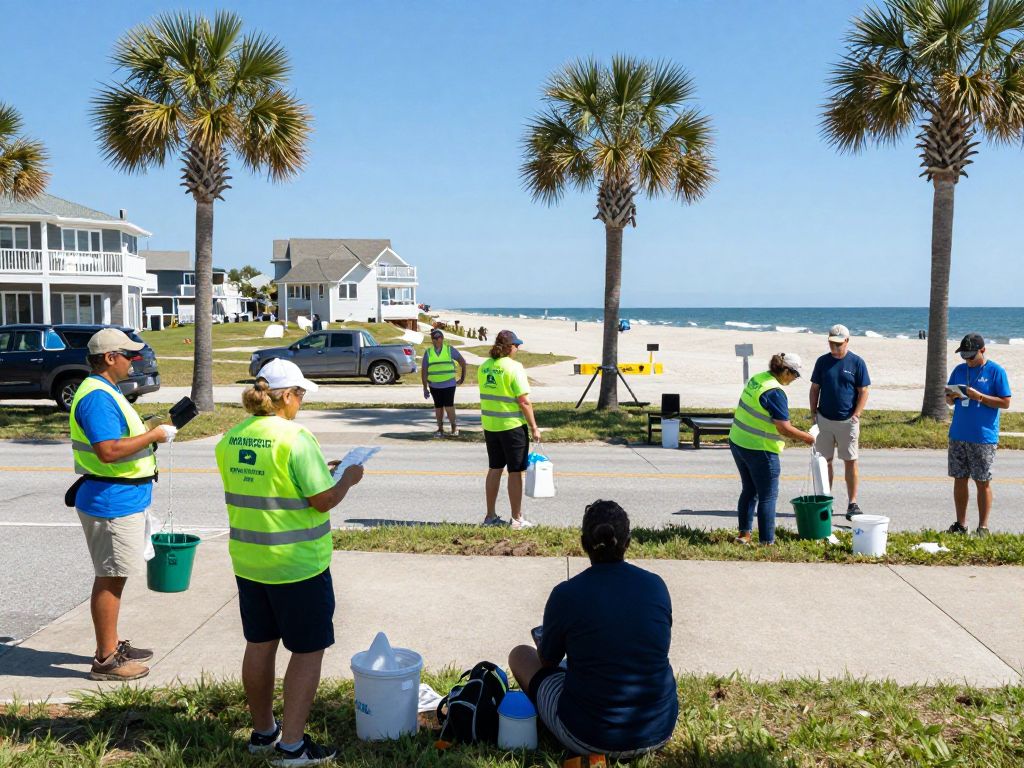
The dedication to enhancing the quality of life extends to beautification and environmental stewardship. Keep Myrtle Beach Beautiful, supported by funding from PalmettoPride, actively organizes beautification events, litter prevention, and sustainability initiatives. Their work involves close collaboration with volunteers, businesses, and city officials, demonstrating how grassroots efforts, combined with strategic partnerships, can transform local environments. These initiatives foster a sense of civic pride and encourage individual participation in maintaining the aesthetic appeal of the community.
Local economic policies also play a role in empowering residents and businesses. Discussions within the Myrtle Beach city council about an in-kind services policy highlight the ongoing dialogue concerning local discretion in resource allocation versus rigid guidelines, demonstrating an emphasis on flexibility to support events that generate significant revenue for the city. In Horry County, the implementation of local vendor preference policies aims to boost local economic growth and job creation by favoring county-based businesses for public contracts, thereby encouraging the recycling of funds within the local economy. These policies reflect a belief in empowering local enterprise and fostering self-reliance for sustained economic vitality.
Conclusion
Myrtle Beach and the surrounding Grand Strand continually illustrate the profound impact of proactive community engagement, resilient local leadership, and strategic partnerships. From preparing for the next seasonal weather event to pioneering innovative urban development and supporting local businesses, the emphasis remains on fostering an environment where individual achievement and collective civic action can flourish with minimal bureaucratic impediments. This approach ensures that our community is not only prepared for challenges but is also continuously evolving towards a more prosperous and vibrant future.
We encourage all residents to engage with local initiatives, participate in community preparedness programs, and support the businesses and organizations that contribute to the unique character and resilience of Myrtle Beach. Your involvement strengthens the fabric of our community. For further information on local events and community development, stay connected with HEREmyrtlebeach.com.
Frequently Asked Questions (FAQ)
- What was the recent weather advisory for the Grand Strand?
- A dense fog advisory was issued for the Grand Strand, including the Myrtle Beach area, Inland Georgetown, Coastal Georgetown, Conway, and Williamsburg County, until 9 a.m. on Sunday, December 21, 2025.
- When did Tropical Storm Chantal form and affect the Carolina Coast?
- Tropical Storm Chantal formed from Tropical Depression Three, with warnings issued for the Carolina Coast on July 6, 2025.
- What are some key aspects of Myrtle Beach’s emergency preparedness?
- Myrtle Beach’s Emergency Management Division uses a “Whole Community” and “All-Hazards” approach for emergency management. The city also launched an emergency notification system called “MB Alerts powered by Regroup” in November 2022 to keep residents informed.
- How does the Arts & Innovation District contribute to community growth?
- The Arts & Innovation District is a flagship investment in downtown Myrtle Beach, with significant city funding to attract private investment and foster entrepreneurship. It is designed to be community-driven and aims to revitalize the downtown core.
- What is the “Living Lab” program?
- The “Living Lab” program is an innovative public-private partnership designed to support the development of emerging technology and encourage entrepreneurs to use Myrtle Beach as a hub for testing technologies.
Key Features of Community Resilience and Growth in Myrtle Beach
| Feature Category | Key Initiative/Program | Description and Impact |
|---|---|---|
| Emergency Preparedness | MB Alerts powered by Regroup | City-wide emergency notification system launched in November 2022 to provide timely updates on weather, public safety, and events. |
| Disaster Mitigation | South Carolina Hazard Mitigation Plan (State-level) | Adopted in 2023, developed through partnerships to reduce loss from natural disasters. The City of Myrtle Beach updates its plan every five years. |
| Urban Development | Arts & Innovation District | A community-driven flagship investment in downtown Myrtle Beach with city funding for infrastructure and a performing arts theater, designed to attract private investment and foster creativity. |
| Technological Advancement | “Living Lab” Program | An innovative public-private partnership encouraging entrepreneurs to develop and test emerging technologies in Myrtle Beach. |
| Community Engagement | Keep Myrtle Beach Beautiful | Organizes beautification, litter prevention, and sustainability initiatives through collaboration with volunteers, businesses, and city officials, supported by PalmettoPride funding (State-level). |
| Economic Development | Partnership Grand Strand | Launched in 2022 by the Myrtle Beach Area Chamber of Commerce to accelerate economic prosperity and enhance the quality of life for all residents through strategic initiatives. |
| Disaster Recovery | Myrtle Beach Area Recovery Council | Formed after Hurricane Hugo (1989), focuses on restoring the area’s tourism industry through private donations and promotion efforts. |
Deeper Dive: News & Info About This Topic
HERE Resources
Myrtle Beach: Gas Prices Fall, Boosting Holiday Spirit
Myrtle Beach Navigates Retail Shifts as Tuskers Closes
Conway’s Donzelle’s Closes: Community Resilience and Future Growth
South Carolina’s 2026 Legal Landscape: Impact on Local Business
Coastal Carolina Falls to Appalachian State in Road Matchup
Sharks Ready to Rumble at Palmetto Holiday Classic
Carolina Forest High School Wrestlers Gear Up for Tournament
Conway High School Grapplers Compete at Arkansas Showdown
New Phone Number Brings Disturbing Harassment to South Carolina Man
Conway Tigers Roar in Weekend Hoops Showdown

Author: STAFF HERE MYRTLE BEACH
The HERE Myrtle Beach Staff Writers are a collaborative team of journalists, editors, and local contributors passionate about delivering accurate, timely information to the Myrtle Beach community. As part of the HEREcity.com Network, which powers over 100 U.S. city sites including HEREcolumbia.com, our staff draws on collective experience in South Carolina journalism to cover everything from business sales and real estate developments to dining deals and community initiatives. Our Expertise and Background Local Roots in Myrtle Beach Our team includes lifelong Myrtle Beach residents and SC natives with deep knowledge of the area’s history, economy, and culture. We’ve covered key events like the recent developments along the Grand Strand, Myrtle Beach’s tourism and hospitality industry, and growth in local education sectors (e.g., Coastal Carolina University programs). Collective Experience With over 50 combined years in journalism, our staff has backgrounds in print, digital media, and community reporting. We prioritize fact-based stories, drawing from sources like the Myrtle Beach Area Chamber of Commerce, city government records, and on-the-ground interviews. Commitment to Quality Every article is a group effort, involving research, editing, and verification to ensure reliability. We adhere to journalistic standards, citing credible sources and updating content as new details emerge.