
Myrtle Beach, February 13, 2026
Myrtle Beach businesses are tapping into the potential of international student workers to cope with seasonal demands in the tourism sector. By leveraging programs that bring global talent to the area, local entrepreneurs can sustain economic growth while enhancing visitor experiences. This approach not only helps fill staffing gaps during peak season but also promotes cultural exchange, contributing to the vibrancy of the Myrtle Beach economy. Recent investments in housing solutions further support these initiatives, ensuring a stable workforce and community engagement.
WHAT’S HAPPENING
Why do Myrtle Beach businesses rely on international student workers?
Fulfill critical staffing needs during the bustling summer tourism season when local labor supply might be insufficient. These students align with academic calendars, arriving when demand is highest and departing at season’s end.
How do international student workers benefit the Myrtle Beach economy?
Contribute significantly to the local economy through their spending on housing, transportation, dining, and consumer goods, injecting millions annually. Their presence supports the region’s substantial tourism industry, which reached $13.2 billion in visitor spending in Horry County in 2024.
What solutions are being implemented for student worker housing in Myrtle Beach?
Address historical challenges by developing dedicated facilities, such as the International Residence Hall (IRH) which opened in May 2025, providing accommodation for hundreds of students. Additionally, some employers, particularly in hospitality, offer employer-owned housing options with amenities.
What concerns have been raised about the use of international student workers in Myrtle Beach?
Concerns include perceptions of “cheap labor,” potential for exploitation like forced overwork or wage theft, unfair housing deductions, and barriers created by shifts in immigration policies, leading to worker shortages.
How important are international student workers to the overall success of Myrtle Beach’s tourism?
Play a vital role in enabling Myrtle Beach businesses to meet peak demand and provide high-quality experiences to millions of tourists annually. Their contribution ensures the sustainability of the tourism industry, supports economic growth, and adds cultural diversity to the workforce.
Myrtle Beach
Streamlining Summer: How Myrtle Beach Businesses Thrive with Global Talent
Local entrepreneurs in Myrtle Beach are strategically leveraging international student workers to meet seasonal demand, ensuring continued economic vitality and exceptional visitor experiences.
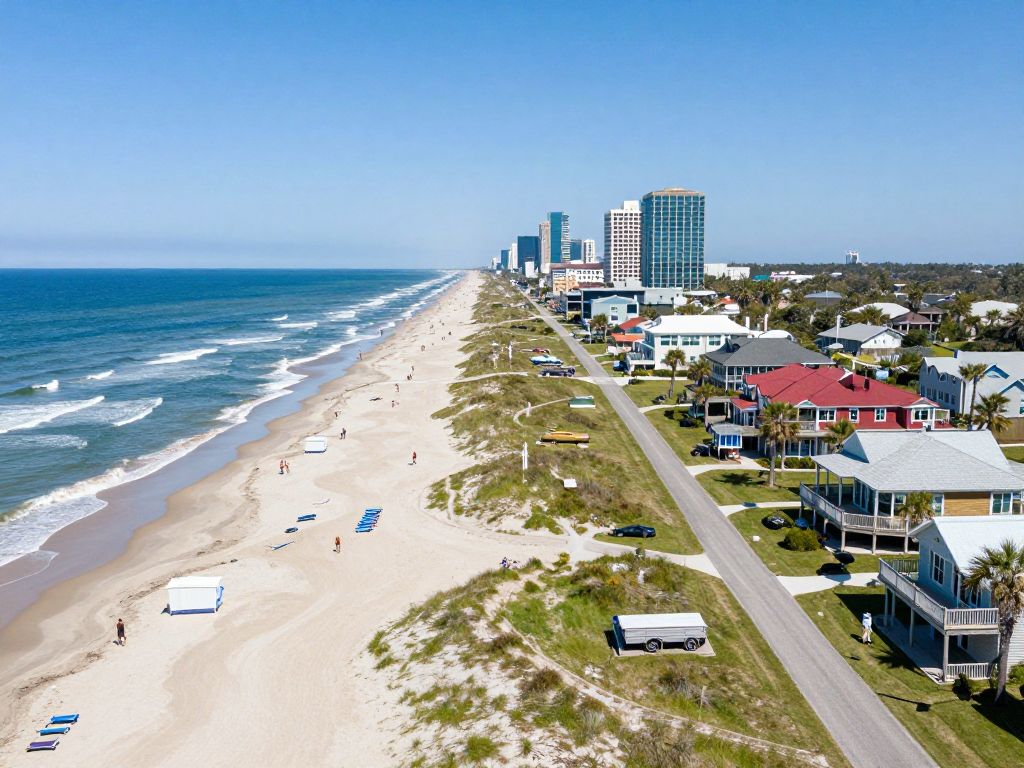
Myrtle Beach, a jewel of the South Carolina coast, thrives on the vibrant energy of its tourism industry. The entrepreneurial spirit of local businesses is a cornerstone of this success, constantly seeking innovative solutions to seasonal demands. As summer approaches, the perennial challenge of staffing a booming hospitality sector emerges. In response, many businesses have found a pragmatic and mutually beneficial partnership with international student workers, a testament to the resilience and adaptability of the Myrtle Beach SC business community.
This approach highlights how local enterprises, with minimal red tape, can access the workforce needed to sustain economic growth. By embracing programs that bring global talent to the Grand Strand, businesses not only fill critical roles but also contribute to a dynamic exchange of cultures, enriching the entire Myrtle Beach economy.
The Vital Role of International Student Workers
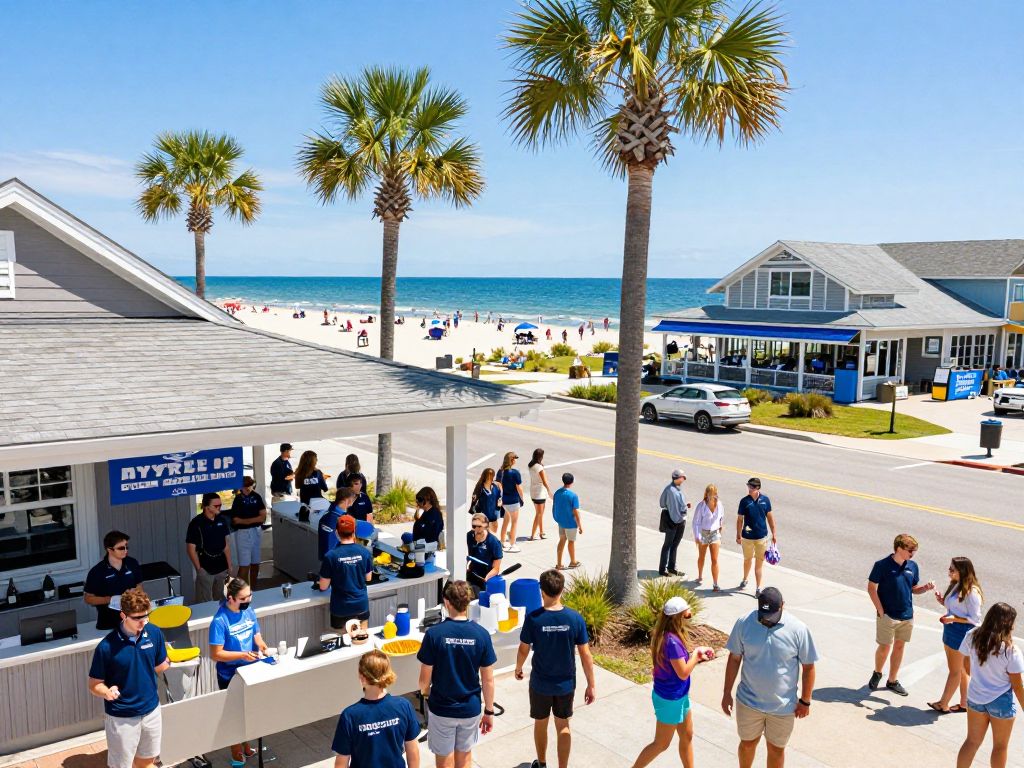
The tourism industry in Myrtle Beach experiences significant seasonal fluctuations, with peak demand during the summer months. To meet the surge in visitors, businesses require a flexible and robust workforce. International students, often participating in programs like the J-1 BridgeUSA Summer Work Travel, provide essential staffing during these busy periods. These programs are designed to align with the academic calendars of international students, meaning they typically arrive when businesses need them most and depart at the season’s end [cite: original context]. This allows local business owners to maintain a consistent full-time staff year-round while effectively scaling up for the summer rush [cite: original context]. Business owners in Myrtle Beach indicate that their operations would be significantly impacted without this seasonal support, making these workers essential for effective peak season operations.
Fueling the Local Economy: Beyond Just Labor
The contribution of international student workers extends beyond simply filling labor gaps; it significantly bolsters the Myrtle Beach economy. These students contribute to local economies through their spending on housing, transportation, dining, and consumer goods. This direct spending injects millions of dollars annually into the community, supporting local businesses and fostering broader economic activity. Tourism is the largest industry sector in the Grand Strand area, which includes Myrtle Beach, supporting over 82,000 jobs directly and indirectly. In 2024, visitor spending in Horry County, where Myrtle Beach is located, reached $13.2 billion, marking a 5.3 percent increase from 2023. This substantial economic activity is critical for the region’s 14 communities, sustaining public services and supporting local schools.
Innovative Housing Solutions and Community Support
Historically, securing adequate and safe housing for seasonal workers has been a challenge in many seasonal economies, including Myrtle Beach [cite: original context, 2, 9]. However, significant private sector investments and community initiatives are addressing this need. The International Residence Hall (IRH) in Myrtle Beach, for instance, opened in May 2025, offering accommodation for hundreds of residents. This development was planned to include multiple phases, with the potential to house up to 1,200 J-1 cultural exchange students upon completion. Such dedicated housing facilities play a crucial role in ensuring that international students have safe and affordable places to stay, which remains a top priority for the community. Additionally, some employers, particularly within the hospitality sector, provide employer-owned housing options, which can include amenities like furniture, utilities, and Wi-Fi, making Myrtle Beach an attractive destination for these workers.
Navigating Challenges and Diverse Perspectives
While the benefits of international student worker programs are widely acknowledged, the system also presents various challenges and elicits diverse perspectives. Some commentators have raised concerns, suggesting that J-1 workers may be perceived as “cheap labor,” potentially impacting local wage scales. Critics also argue that the J-1 visa program, intended as a cultural exchange, might at times be primarily utilized to meet labor demands, leading to situations where workers could face exploitative conditions such as forced overwork, wage theft, or unfair housing deductions. Furthermore, shifts in immigration policies, including increased visa denials and crackdowns, have been reported to create barriers for legal immigration and contribute to worker shortages in the South Carolina tourism industry. These challenges underscore the importance of vigilant oversight and ethical practices by businesses and program sponsors to ensure the welfare and fair treatment of all participants.
The Entrepreneurial Spirit and Future Growth
The ongoing reliance on international student workers in Myrtle Beach is a testament to the innovative spirit of local entrepreneurs who continually adapt to meet market demands. Businesses are leveraging a global talent pool to ensure that the Myrtle Beach small business sector remains competitive and capable of providing high-quality experiences to millions of tourists annually. The diverse perspectives and unique skills that international students bring contribute to a more dynamic and culturally rich workforce. Private investments in infrastructure, such as purpose-built housing, are critical for sustaining this workforce and fostering long-term economic stability and growth within the community. As Myrtle Beach looks to the future, a balanced approach that supports both business needs and worker welfare will be key to continuing its trajectory of economic success.
Key Features of International Student Worker Programs in Myrtle Beach
| Feature | Description | Scope |
|---|---|---|
| Purpose | To provide seasonal staffing for businesses during peak tourism months and offer cultural exchange opportunities for international students. | Local |
| Economic Impact | Students contribute to the local economy through spending on housing, goods, and services. Tourism generated $13.2 billion in visitor spending in Horry County in 2024. | Local |
| Staffing Solution | Fills critical labor shortages in the hospitality and tourism sectors that local workers may not consistently fill. | Local, Nationwide |
| Housing | Increasing availability of dedicated housing, such as the International Residence Hall which opened in May 2025, to address historical overcrowding. Some employers also provide housing. | Local |
| Benefits for Businesses | Access to a motivated workforce, reduced turnover, and a culturally diverse staff. | Local |
| Challenges | Concerns about worker exploitation, low wages, potential for visa denials, and the need for adequate, safe, and affordable housing. | Local, Nationwide |
Conclusion
International student workers play a multifaceted and increasingly vital role in supporting the Myrtle Beach economy, especially during the demanding summer season. Their presence not only addresses critical staffing needs for local businesses but also injects significant economic activity into the community. While the programs are not without their challenges, the entrepreneurial drive of Myrtle Beach businesses, coupled with innovative housing solutions and a commitment to responsible practices, demonstrates a path toward sustainable growth.
We encourage all readers to support local businesses, which are the backbone of our community. Staying informed and engaged in the ongoing discussions about our economic future ensures that Myrtle Beach remains a vibrant and prosperous place for both residents and visitors alike.
Deeper Dive: News & Info About This Topic
HERE Resources
New Bakery Boosts Myrtle Beach Small Business
Coastal Carolina University Receives Significant Donations for Growth
Rock N Roll Murder Mystery Dinner Theatre in Myrtle Beach
Community Comes Together for Galentine’s Sip & Paint Night
Igniting Community Spirit in North Myrtle Beach
Myrtle Beach Welcomes ‘Hot Jersey Nights’ Live Performance
Myrtle Beach Hosts Major Hardware Market
Rock N’ Soul Revue Showcases Myrtle Beach’s Entertainment Spirit
Time Warp Show Brings Nostalgic Music to Myrtle Beach
Caring Senior Service Expands: A Boost for North Myrtle Beach’s Economy

Author: STAFF HERE MYRTLE BEACH
The HERE Myrtle Beach Staff Writers are a collaborative team of journalists, editors, and local contributors passionate about delivering accurate, timely information to the Myrtle Beach community. As part of the HEREcity.com Network, which powers over 100 U.S. city sites including HEREcolumbia.com, our staff draws on collective experience in South Carolina journalism to cover everything from business sales and real estate developments to dining deals and community initiatives. Our Expertise and Background Local Roots in Myrtle Beach Our team includes lifelong Myrtle Beach residents and SC natives with deep knowledge of the area’s history, economy, and culture. We’ve covered key events like the recent developments along the Grand Strand, Myrtle Beach’s tourism and hospitality industry, and growth in local education sectors (e.g., Coastal Carolina University programs). Collective Experience With over 50 combined years in journalism, our staff has backgrounds in print, digital media, and community reporting. We prioritize fact-based stories, drawing from sources like the Myrtle Beach Area Chamber of Commerce, city government records, and on-the-ground interviews. Commitment to Quality Every article is a group effort, involving research, editing, and verification to ensure reliability. We adhere to journalistic standards, citing credible sources and updating content as new details emerge.