
Myrtle Beach, SC, January 29, 2026
News Summary
The Grand Strand region’s economic vitality is significantly enhanced by its higher education institutions, including Coastal Carolina University and Horry-Georgetown Technical College. These colleges not only provide academic rigor and workforce training but also contribute substantial economic benefits, estimated at $566 million from CCU alone. The collaboration between educational entities and local businesses fosters innovation and prepares students for future careers, reinforcing the community’s social and economic framework.
Myrtle Beach, SC — The economic vitality and future prosperity of the Grand Strand region are significantly bolstered by its robust higher education institutions. These academic pillars serve not only as centers of learning and research but also as powerful engines driving local and state economies, fostering innovation, and developing essential leadership for the community.
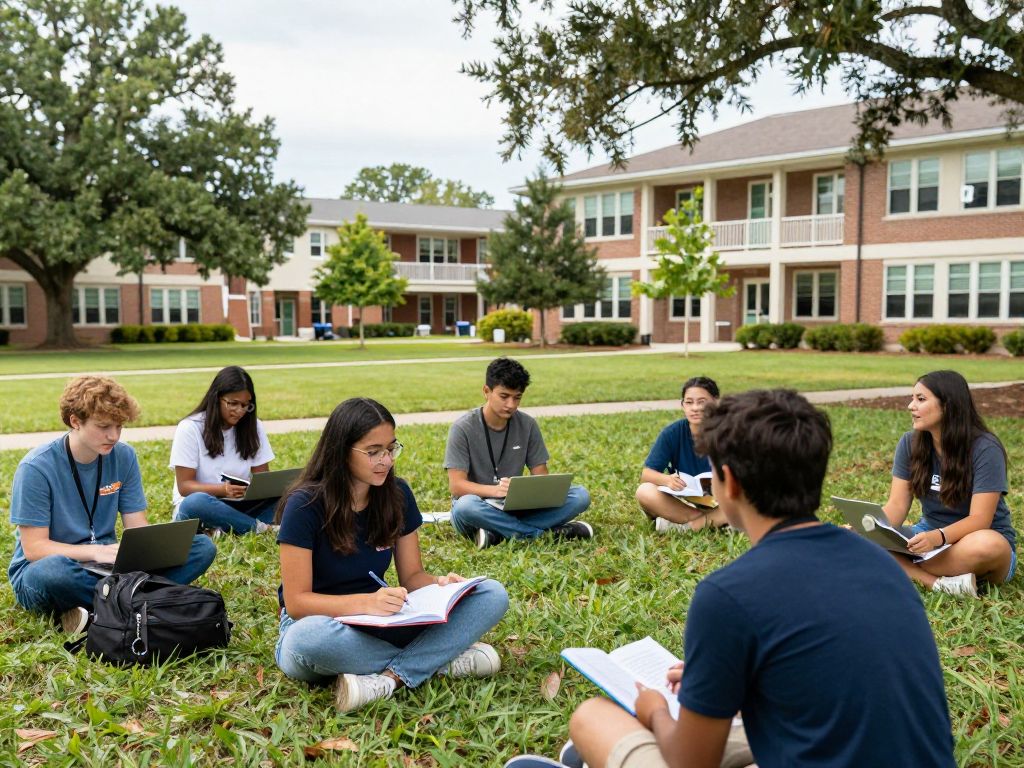
The presence of dynamic universities and colleges in the Myrtle Beach area underscores a commitment to academic rigor and student growth. Institutions like Coastal Carolina University and Horry-Georgetown Technical College play a pivotal role in shaping the educational landscape, preparing a skilled workforce, and contributing substantial economic benefits that resonate throughout South Carolina. This sustained investment in higher education directly translates into enhanced opportunities for students and a more resilient economic environment for all residents.
Higher Education: Anchor Institutions of Regional Economies
For over three decades, higher education institutions, alongside hospitals, have been widely acknowledged as critical anchor institutions within regional economies nationwide. These entities provide stability, employment, and a consistent demand for local goods and services, cementing their status as indispensable components of community development. In the Grand Strand, this dynamic is clearly visible, with local colleges and universities serving as foundational elements of the region’s economic and social fabric.
Coastal Carolina University’s Significant Economic Footprint
Coastal Carolina University (CCU), located just minutes from Myrtle Beach in Conway, stands as a premier example of an institution deeply intertwined with regional prosperity. CCU makes a substantial economic impact, contributing $566 million to the economy of South Carolina and the Grand Strand. This financial contribution extends beyond direct spending, influencing various sectors through job creation, student and faculty expenditures, and the indirect support of local businesses. The university’s role in challenging students to lead boldly and inspiring them to make a difference directly contributes to the development of future leaders who will further drive economic growth.
Horry-Georgetown Technical College: Building a Skilled Workforce
Complementing the university system, Horry-Georgetown Technical College (HGTC) serves as a vital resource for workforce development across the Grand Strand. As a two-year community/technical college, HGTC offers a diverse range of programs across its three campus locations, including one in Myrtle Beach. The college is instrumental in providing accessible postsecondary skill development for area residents, equipping them with the practical expertise required by local industries. This focus on vocational and technical training ensures a continuous supply of skilled professionals, which is crucial for attracting new businesses and supporting existing ones, thereby reinforcing the region’s economic stability and growth.
Elevating Earning Power and Community Impact
The investment in higher education directly translates into increased earning power for individuals, which, in turn, boosts the overall regional economy. Graduates of institutions like CCU and HGTC enter the workforce with elevated skills and qualifications, contributing more to the tax base and stimulating local commerce. Horry County also emphasizes robust educational pathways starting from its school system, offering specialty high school options that prepare students for either direct entry into technical careers or for further collegiate studies. This comprehensive approach to education from an early age ensures a pipeline of talent that is ready to contribute meaningfully to the economy.
Collaboration and Regional Development
The Myrtle Beach Regional Economic Development Corporation (MBREDC) consistently highlights the critical role of higher education institutions in the region’s economic strategy. The collaboration between academic bodies and economic development organizations ensures that educational offerings are aligned with the needs of the local job market. This strategic partnership is essential for fostering innovation, supporting entrepreneurship, and maintaining a competitive regional economy. The presence of these institutions acts as a significant draw for both residents seeking educational advancement and businesses looking for a skilled, educated workforce. The city of Myrtle Beach’s comprehensive plan also acknowledges the role of these institutions in readying students for their future.
Academic Freedom and Personal Responsibility in Education
Beyond economic metrics, the institutions in the Grand Strand uphold principles of academic freedom and personal responsibility. They provide environments where intellectual inquiry is encouraged, and students are empowered to take ownership of their educational journey and future careers. This commitment to holistic development ensures that graduates are not only professionally competent but also critically thinking, responsible citizens prepared to lead with integrity. This emphasis on character and self-reliance is a hallmark of strong educational systems and contributes to a more disciplined and innovative community.
Looking Ahead: Sustaining Growth Through Education
The continuous growth and evolution of higher education in the Myrtle Beach area are fundamental to sustaining the region’s economic momentum. By fostering academic excellence, promoting research, and developing a skilled workforce, institutions like Coastal Carolina University and Horry-Georgetown Technical College serve as vital assets. Their contributions extend far beyond the campus borders, profoundly impacting local families, businesses, and the broader South Carolina economy. Readers are encouraged to explore the diverse programs offered by these institutions, attend campus events, and remain engaged with the dynamic advancements happening within Myrtle Beach’s college community.
Keywords: University of South Carolina, Myrtle Beach SC college news, South Carolina higher education, USC research, Grand Strand economy.
Frequently Asked Questions About Higher Education in Myrtle Beach
Q: What is the economic impact of Coastal Carolina University on the Grand Strand?
A: Coastal Carolina University has a $566 million economic impact on South Carolina and the Grand Strand.
Q: How do higher education institutions contribute to regional economies?
A: Higher education institutions, alongside hospitals, are widely recognized as anchors of regional economies nationwide, providing stability, employment, and a consistent demand for local goods and services.
Q: What role does Horry-Georgetown Technical College play in the Myrtle Beach area?
A: Horry-Georgetown Technical College is a two-year community/technical college with three campus locations, including one in Myrtle Beach, offering postsecondary skill development for area residents.
Q: How does education in Horry County contribute to workforce development?
A: Higher education institutions contribute to elevating the earning power of individuals through education, impacting the region’s economy. Horry County Schools also offer specialty high school options that can lead students directly into technical careers or provide pathways to college.
Q: Does the city of Myrtle Beach recognize the importance of local higher education?
A: Yes, the city of Myrtle Beach’s comprehensive plan acknowledges the many higher education institutions within the County and City that ready students for their futures.
| Institution/Category | Key Contribution/Impact | Scope |
|---|---|---|
| Coastal Carolina University | $566 million economic impact on South Carolina and the Grand Strand. | State/Regional |
| Horry-Georgetown Technical College | Provides postsecondary skill development; 3 campus locations including Myrtle Beach. | Regional |
| Higher Education Institutions (General) | Recognized as anchor institutions of regional economies. | Nationwide |
| Higher Education Institutions (General) | Elevate earning power, contributing to regional economy. | Regional |
| Horry County Schools | Offers specialty high school options for technical careers or college. | Local |
Deeper Dive: News & Info About This Topic
HERE Resources
Myrtle Beach Sees Boost in Senior Care Services
Georgetown’s Root Restaurant Closes Amid Economic Shifts
South Carolina Faces Largest Measles Outbreak in Decades
Fire Triggers Evacuation at Horry-Georgetown Technical College
New Coaching Leadership in Horry County High Schools
Horry-Georgetown Technical College Enhances Safety Protocols
Art Festival Energizes Myrtle Beach Community
Myrtle Beach Enhances Downtown Safety with New Lighting
Conway Charts a Course for Fiscal Future with Proposed Budget
Myrtle Beach’s Coastal Expansion: A Hub for Innovation and Growth

Author: STAFF HERE MYRTLE BEACH
The HERE Myrtle Beach Staff Writers are a collaborative team of journalists, editors, and local contributors passionate about delivering accurate, timely information to the Myrtle Beach community. As part of the HEREcity.com Network, which powers over 100 U.S. city sites including HEREcolumbia.com, our staff draws on collective experience in South Carolina journalism to cover everything from business sales and real estate developments to dining deals and community initiatives. Our Expertise and Background Local Roots in Myrtle Beach Our team includes lifelong Myrtle Beach residents and SC natives with deep knowledge of the area’s history, economy, and culture. We’ve covered key events like the recent developments along the Grand Strand, Myrtle Beach’s tourism and hospitality industry, and growth in local education sectors (e.g., Coastal Carolina University programs). Collective Experience With over 50 combined years in journalism, our staff has backgrounds in print, digital media, and community reporting. We prioritize fact-based stories, drawing from sources like the Myrtle Beach Area Chamber of Commerce, city government records, and on-the-ground interviews. Commitment to Quality Every article is a group effort, involving research, editing, and verification to ensure reliability. We adhere to journalistic standards, citing credible sources and updating content as new details emerge.