

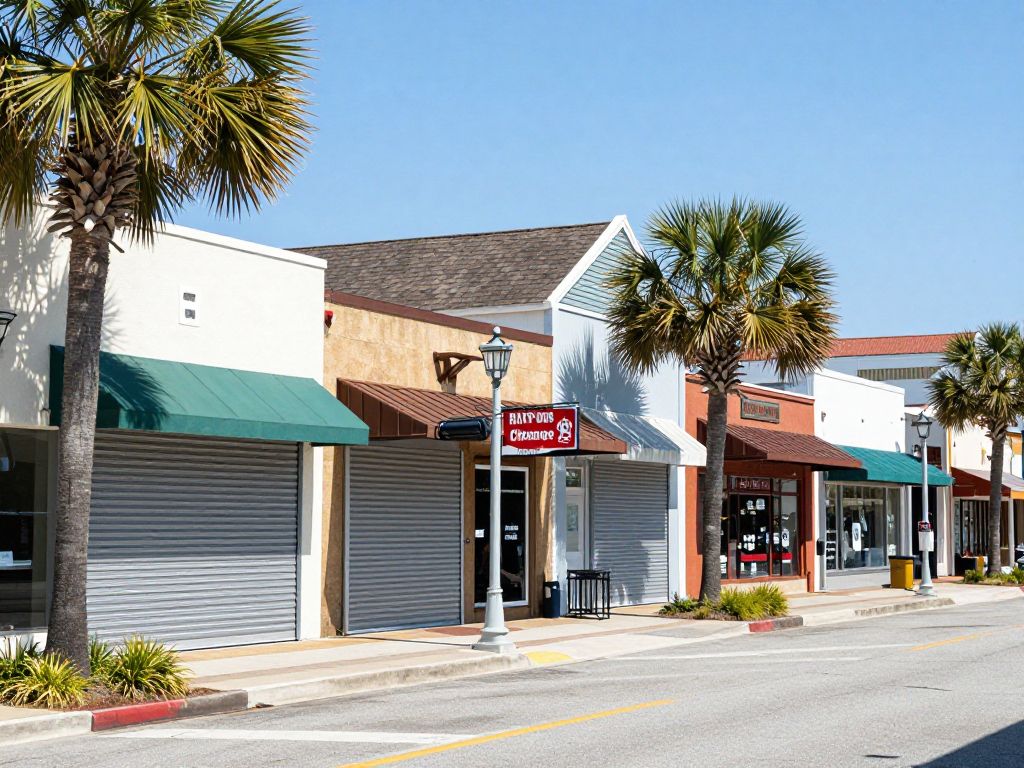
Myrtle Beach, SC, December 20, 2025
The closure of Tuskers, a well-known furniture store, points to significant shifts in Myrtle Beach’s retail landscape, emphasizing the importance of innovation and community resilience. As local businesses face challenges from national trends, opportunities arise for entrepreneurs to adapt and thrive, contributing to sustained economic growth in the area.
Myrtle Beach, SC
Myrtle Beach Navigates Retail Shifts as Tuskers Closes
The recent closure of the popular furniture store brand Tuskers, updated on December 20, 2025, marks a significant moment in the evolving retail landscape. While the absence of a bankruptcy filing suggests a deliberate wind-down, this event underscores the need for continued entrepreneurial innovation and small-business resilience within the Myrtle Beach SC business community.
In a dynamic economy, business closures, even without formal bankruptcy proceedings, can create ripple effects, impacting employment and local tax revenues nationwide. However, such shifts also present opportunities for nimble local businesses and South Carolina entrepreneurs to adapt, innovate, and contribute to sustained Midlands economic growth. Myrtle Beach, a vibrant hub for commerce, has consistently demonstrated its capacity for economic adaptation, driven by a spirit of free enterprise and community involvement.
Understanding the Business Landscape: Beyond a Single Closure
The decision by Tuskers to close without filing for bankruptcy, updated on December 20, 2025, at 6:56 PM, highlights a strategic approach to business cessation. Closing a business outside of bankruptcy can offer advantages such as cost-effectiveness, greater management control over the process, and potentially less reputational damage compared to a public bankruptcy filing. This type of wind-down involves carefully balancing the need for quick execution with maximizing asset recovery for creditors. For business owners, winding down without bankruptcy often requires prioritizing payments for debts for which officers are personally liable, such as certain leases or credit cards, and ensuring fair market value for all assets sold to satisfy creditors.
Nationwide, the retail sector is undergoing rapid strategic shifts influenced by factors such as tariffs, technological advancements, and a move toward nearshoring. The U.S. implemented a universal 10% levy on all imports in April 2025, with targeted duties reaching 145% on goods from China, leading to substantial cost pressures across various retail categories nationwide. These broader economic currents necessitate that businesses, large and small, remain agile and proactive in their operations. While large store closures can reduce foot traffic for neighboring establishments and impact local economies, they also open doors for new ventures and specialized retailers to capture market share.
Myrtle Beach’s Entrepreneurial Spirit and Economic Resilience
Myrtle Beach and the broader Horry County area have a proven track record of economic growth and entrepreneurial spirit. Horry County is recognized as one of South Carolina’s fastest-growing counties, offering a diverse mix of sites and buildings from industrial parks to business centers, supported by modern infrastructure, a skilled workforce, and access to higher education. The Myrtle Beach Regional Economic Development Corporation (MBREDC) actively works to attract, retain, and grow sustainable businesses that create jobs, fostering an environment where small businesses, which constitute 94% of all businesses in Horry County, can thrive. These local efforts are crucial in mitigating the potential negative spillover effects that can occur when larger retail establishments close, such as reduced foot traffic and a decline in consumer spending.
South Carolina’s retail market, while experiencing national retailer closures, has generally maintained an uneasy stability. In the first quarter of 2025, strong population growth rates helped offset declining consumer confidence and national bankruptcies, with many former spaces being quickly reoccupied or returned to active use. This State-level trend suggests a robust underlying demand and adaptability within the commercial real estate sector. The resilience of Myrtle Beach small business owners is further demonstrated by their continuous adaptation to changes, such as shifts in retail supply chains and new regulatory environments. Local entrepreneurs are embracing innovation through strategic sourcing and technological integration to ensure sustained economic growth.
Opportunities Emerge: Innovation and Community Support
The departure of a large retailer like Tuskers, while challenging, creates a vacuum that can be filled by entrepreneurial innovation. This is an opportune moment for Myrtle Beach small business owners to explore new avenues, diversify offerings, and leverage partnerships to build resilience. The focus on local innovation and leadership directly contributes to job creation and business success, reinforcing the importance of community involvement in economic development. For instance, a shopping center anchored by Lowes Foods was recently sold in Myrtle Beach, illustrating an encouraging evolution in the retail scene, reflecting ongoing redevelopment in the city’s retail sector.
New business trends nationwide, such as the growth of secondhand and vintage goods resellers, especially for furniture, present viable models for new ventures. This trend, driven by sustainability concerns and a love for unique items, is projected to be a significant market in the coming years. Additionally, the shift towards digital integration and hybrid models combining physical shops with e-commerce is essential for modern retail success. The Myrtle Beach Economic Development Office actively promotes Opportunity Zones and creates economic incentive programs to support business growth and revitalization, particularly in the Central Business District. Tools like ZoomProspector are also available to assist entrepreneurs in identifying prime real estate opportunities within the city.
Fostering Growth Through Limited Regulation
A business environment that embraces limited regulation can significantly foster economic growth by reducing barriers for entrepreneurs and allowing businesses to innovate and adapt more freely. South Carolina’s favorable business climate, which ranked second overall in Area Development Magazine’s 2024 “Top States for Doing Business” for its available real estate, business incentive programs, speed of permitting, and workforce development, provides a strong foundation for local businesses. Such a supportive framework empowers South Carolina entrepreneurs to navigate challenges and seize new opportunities without excessive red tape hindering their progress.
Moving Forward: Supporting Our Local Economy
The closure of Tuskers, while a notable event, should be viewed within the broader context of a dynamic and evolving retail sector. For Myrtle Beach, it serves as a reminder of the enduring strength found in entrepreneurial innovation, small-business resilience, and strategic community support. The ability of local businesses to adapt to changing consumer demands and market conditions, often through creative solutions and diversification, is paramount.
We encourage all residents to continue to support our Myrtle Beach small business community and stay engaged in the ongoing narrative of economic growth in our beloved Grand Strand. By investing in local enterprises, embracing new business models, and fostering an environment of innovation and limited regulation, we can collectively ensure that Myrtle Beach remains a vibrant and prosperous hub for commerce and opportunity.
Frequently Asked Questions (FAQ)
What is the latest news regarding Tuskers furniture store?
The popular furniture store brand Tuskers has closed down, without filing for bankruptcy, updated on December 20, 2025, at 6:56 PM.
What does it mean for a business to close without filing for bankruptcy?
Closing a business without filing for bankruptcy, also known as a wind-down, means the company strategically ceases operations outside of formal court proceedings. This can offer advantages such as being more cost-effective, allowing management to retain control during the process, and potentially mitigating reputational damage compared to a public bankruptcy filing. The process typically involves selling assets to address liabilities and fulfilling obligations.
How does a large retail closure impact a local economy like Myrtle Beach?
The closure of big box stores nationwide can have a multifaceted impact on the economy, including potential job losses, reduced local tax revenue, and shifts in consumer spending patterns. Such closures can also reduce foot traffic for neighboring businesses. However, they also create opportunities for smaller businesses and online retailers to capture market share and for vacant spaces to be redeveloped or revitalized.
What is the current state of the retail market in South Carolina?
The South Carolina retail market has shown an uneasy stability in the first quarter of 2025. This is due to a combination of national retail bankruptcies, low availability of quality inventory, and declining consumer confidence being met with strong population growth rates. Many former spaces from national retailer bankruptcies were quickly backfilled or returned to active use.
How are Myrtle Beach businesses demonstrating resilience and innovation?
Myrtle Beach entrepreneurs and small businesses are demonstrating remarkable resilience and innovation by bracing for significant shifts in retail supply chains in 2026, driven by tariffs, technological advancements, and a move towards nearshoring. Local businesses are proactively reshaping their operations, embracing innovation through strategic sourcing and technological integration to ensure sustained economic growth.
What resources are available to support small businesses and economic growth in Myrtle Beach?
The Myrtle Beach Regional Economic Development Corporation (MBREDC) is a key resource for location and expansion assistance for new and existing employers, aiming to attract, retain, and grow sustainable businesses that create jobs. The City of Myrtle Beach Economic Development Office also works to facilitate revitalization, promote Opportunity Zones, create economic incentive programs, and provides tools like ZoomProspector to help businesses find real estate opportunities.
Key Aspects of Tuskers’ Closure and Myrtle Beach’s Economic Environment
| Feature | Description | Scope |
|---|---|---|
| Tuskers Closure Status | Closed down without filing for bankruptcy, updated on December 20, 2025, at 6:56 PM. | Nationwide |
| Closure Method | Strategic wind-down, which can be cost-effective and allow for management control. | Nationwide |
| Impact on Local Economies | Can lead to job losses, reduced local tax revenue, and shifts in consumer spending. Also creates opportunities for smaller businesses. | Nationwide |
| Myrtle Beach Business Resilience | Entrepreneurs and small businesses adapt to supply chain shifts, tariffs, and technological advancements. | Myrtle Beach, SC |
| South Carolina Retail Market Stability | Maintained uneasy stability in Q1 2025 despite national bankruptcies, with spaces often reoccupied. | State-level |
| Economic Growth Drivers in Myrtle Beach | Entrepreneurial innovation, community involvement, modern infrastructure, skilled workforce, and economic development initiatives. | Myrtle Beach, SC |
| Support for Local Businesses | MBREDC and City’s Economic Development Office offer assistance, incentives, and tools for growth and revitalization. | Myrtle Beach, SC |
| Retail Trends | Growth in secondhand/vintage goods, digital integration, and hybrid physical/e-commerce models. | Nationwide |
Deeper Dive: News & Info About This Topic
HERE Resources
Myrtle Beach Hotels Land $85M: A Boost for Local Economy
Murrells Inlet: A Hub of Opportunity on Highway 707
Owls Prepare for Bowl Showdown in Myrtle Beach
2025 Myrtle Beach Bowl: Western Michigan vs. Kennesaw State
North Myrtle Beach Farmers Market Opens for Local Produce
Harmony on the Grand Strand: Local Theatres Foster Community Spirit
2025 Myrtle Beach Bowl Features Conference Champions
Myrtle Beach Businesses Adapt to a Redefined Supply Chain
Sparking Joy: How Community Lights Up Myrtle Beach
Myrtle Beach Airport Expansion Progresses

Author: STAFF HERE MYRTLE BEACH
The HERE Myrtle Beach Staff Writers are a collaborative team of journalists, editors, and local contributors passionate about delivering accurate, timely information to the Myrtle Beach community. As part of the HEREcity.com Network, which powers over 100 U.S. city sites including HEREcolumbia.com, our staff draws on collective experience in South Carolina journalism to cover everything from business sales and real estate developments to dining deals and community initiatives. Our Expertise and Background Local Roots in Myrtle Beach Our team includes lifelong Myrtle Beach residents and SC natives with deep knowledge of the area’s history, economy, and culture. We’ve covered key events like the recent developments along the Grand Strand, Myrtle Beach’s tourism and hospitality industry, and growth in local education sectors (e.g., Coastal Carolina University programs). Collective Experience With over 50 combined years in journalism, our staff has backgrounds in print, digital media, and community reporting. We prioritize fact-based stories, drawing from sources like the Myrtle Beach Area Chamber of Commerce, city government records, and on-the-ground interviews. Commitment to Quality Every article is a group effort, involving research, editing, and verification to ensure reliability. We adhere to journalistic standards, citing credible sources and updating content as new details emerge.