
Myrtle Beach Sticks with Shade Ban: What It Means for Summer Fun
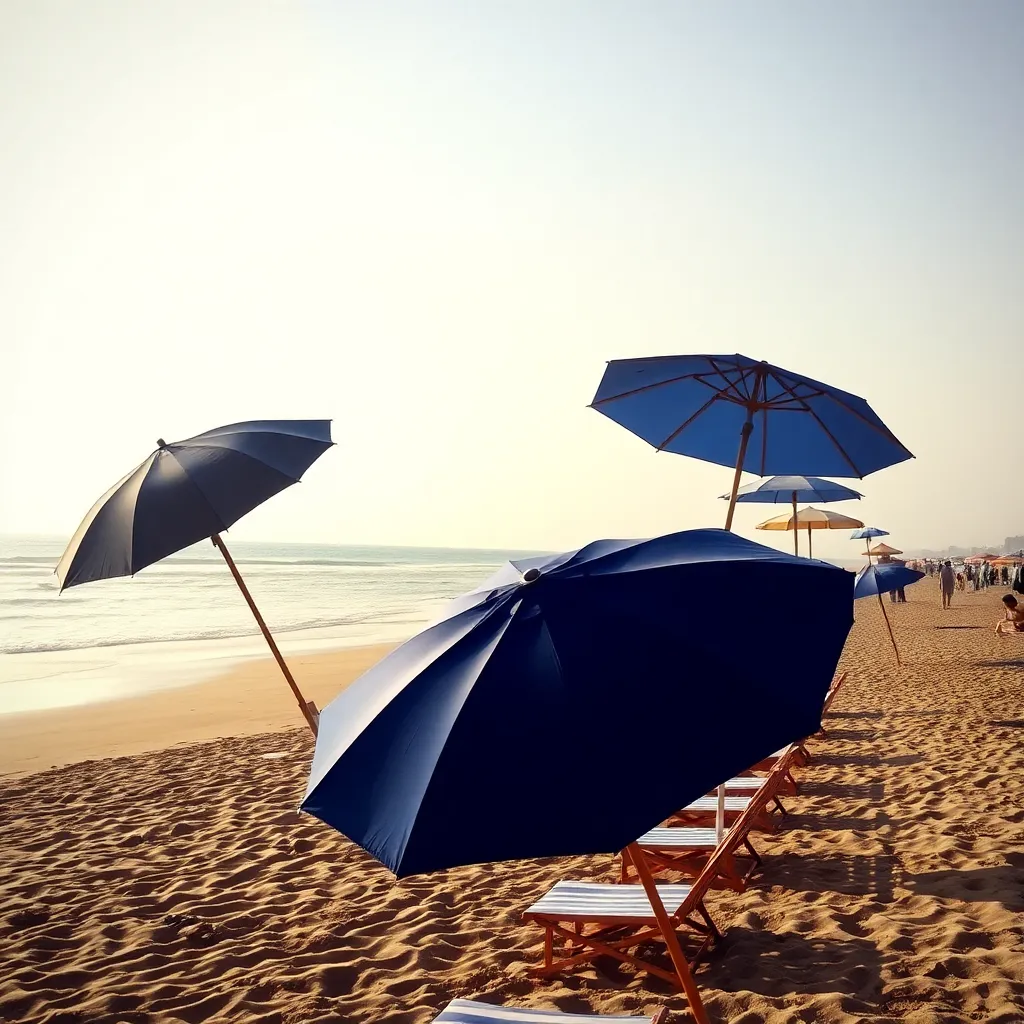
MYRTLE BEACH — Get ready for another summer of sun, sand, and, unfortunately, no wind-driven beach shades like Shibumi Shade or Solbello. That’s right, if you were hoping to lounge under one of those trendy shading devices at Myrtle Beach next year, think again! Following a recent city council meeting, the decision is official: the ban on these alternatives will stay in place during the busy tourist season.
Why No Windy Shades?
This decision comes after a thorough two-hour discussion with public safety officials on November 5. The beach advisory committee, chaired by Steven Taylor, aims to maintain a safe, clean, and orderly beach for everyone. Taylor stated, “Our goal is to ensure that the beach is safe for all citizens and visitors.”
The council had originally considered changing its 2014 ordinance banning tents but ultimately decided against allowing wind-driven shades after hearing from safety officials. Mayor Brenda Bethune added, “We do not vote in workshops, but we do operate by consensus, and the majority would like to keep things as they are.”
Understanding the Risk
Proponents of these windshades argue that they are a safer alternative to traditional umbrellas, which can become dangerous projectiles when the wind picks up. Just imagine a scenario where an umbrella was left unsecured! In fact, a tragic incident in 2022 involved a 63-year-old woman from Garden City, who lost her life due to an unsteady umbrella. But city officials are worried that allowing these shades could obscure the view for first responders—definitely a major concern when there are loads of people packed onto the sandy shores.
It’s Not Year-Round
Don’t forget, this ban isn’t a permanent fixture! It only lasts from Memorial Day to Labor Day, so winter beachgoers can still enjoy the benefits of shading devices. According to Assistant City Manager Joshua Bruegger, “It’s pretty straightforward as it is right now.”
What Have Officials Been Saying?
Interestingly, the committee has discussed the idea of allowing these wind-driven shades multiple times in the last four years. However, every time they kept arriving at the same conclusion. Dane Barnes, co-founder of Shibumi Shade, highlighted, “Shibumi Shades are allowed on every beach from Maryland to Mexico year-round.” He emphasized that things are quite different here on the Grand Strand.
What About a Trial Run?
At one point, the council even considered a trial period to test out wind-driven beach shades, but safety officials warned that such a move could lead to confusion. So that plan was quickly scrapped. As of now, most council members remain unyielding on this decision.
Hope for Change
Even with the unfavorable decision, Barnes holds onto hope. “Along with thousands of Myrtle Beach residents and guests, we are disappointed with the council’s decision,” he stated. “But we are confident that Shibumi Shades will eventually be allowed at the Grand Strand in the summertime, when beachgoers need it most.”
So there you have it, Myrtle Beach. As summer draws near, you’ll need to cozy up under your trusty beach umbrella or seek shelter under rented cabanas instead. Fingers crossed that there’s a change in the future—because who doesn’t love a little bit of shade while soaking up the sun?


Author: STAFF HERE MYRTLE BEACH
The HERE Myrtle Beach Staff Writers are a collaborative team of journalists, editors, and local contributors passionate about delivering accurate, timely information to the Myrtle Beach community. As part of the HEREcity.com Network, which powers over 100 U.S. city sites including HEREcolumbia.com, our staff draws on collective experience in South Carolina journalism to cover everything from business sales and real estate developments to dining deals and community initiatives. Our Expertise and Background Local Roots in Myrtle Beach Our team includes lifelong Myrtle Beach residents and SC natives with deep knowledge of the area’s history, economy, and culture. We’ve covered key events like the recent developments along the Grand Strand, Myrtle Beach’s tourism and hospitality industry, and growth in local education sectors (e.g., Coastal Carolina University programs). Collective Experience With over 50 combined years in journalism, our staff has backgrounds in print, digital media, and community reporting. We prioritize fact-based stories, drawing from sources like the Myrtle Beach Area Chamber of Commerce, city government records, and on-the-ground interviews. Commitment to Quality Every article is a group effort, involving research, editing, and verification to ensure reliability. We adhere to journalistic standards, citing credible sources and updating content as new details emerge.