

North Myrtle Beach, January 11, 2026
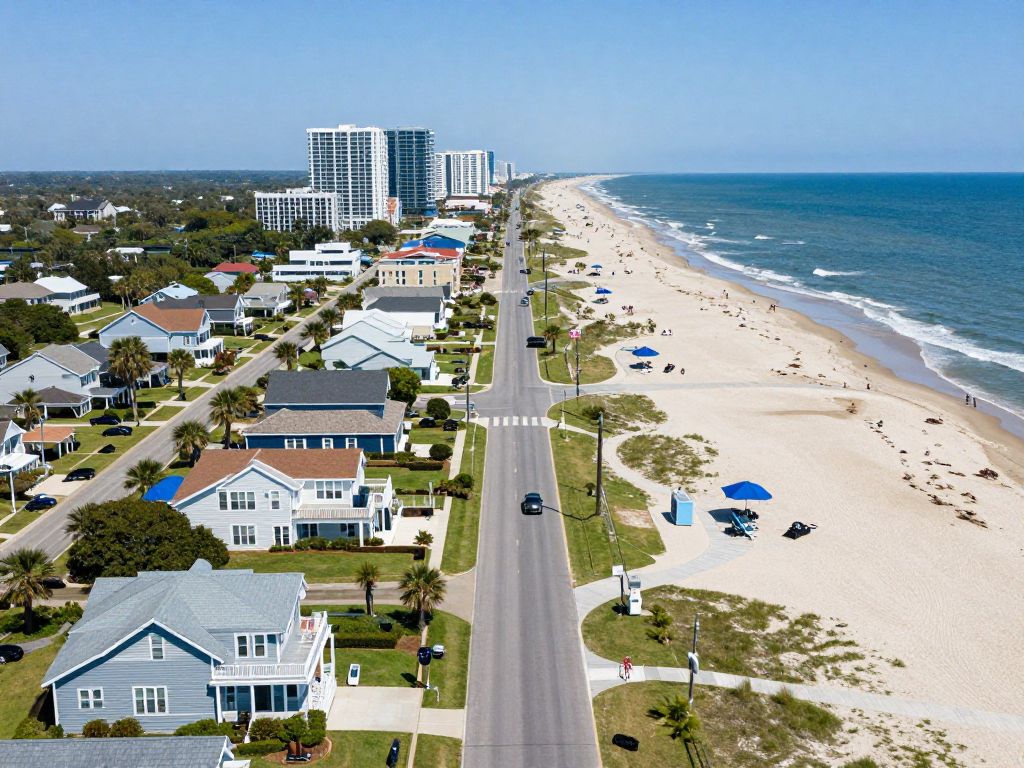
North Myrtle Beach is actively discussing new regulations to manage community concerns while supporting economic growth. A proposed ordinance aims to address disruptive gatherings, referred to as ‘nuisance parties’. These measures reflect the city’s commitment to maintaining a high quality of life for residents amidst rising short-term rental numbers. The initiative seeks to balance the interests of both property owners and long-term residents, ensuring a harmonious living environment. As the city navigates these challenges, it draws inspiration from similar approaches in other tourist destinations.
North Myrtle Beach
NMB Eyes New Rules: Balancing Community and Growth
North Myrtle Beach, a vibrant hub of coastal living and tourism, is currently at the forefront of discussions surrounding new civic approaches to managing community concerns while fostering a robust local economy. This ongoing dialogue underscores the city’s commitment to thoughtful governance and maintaining its unique charm.
The city’s leadership is actively considering a new ordinance designed to address “out-of-control parties,” a topic that has generated considerable discussion as of today, January 11, 2026. This initiative is a clear indicator of the community’s desire to uphold a high quality of life for its residents.
These current discussions build upon previous efforts by the North Myrtle Beach city manager and City Council, who have been exploring regulations for short-term rentals since at least April 2025. This proactive stance highlights the city’s dedication to civic innovation and ensuring that growth is managed responsibly, balancing the economic benefits of tourism with the peace and well-being of residential areas.
Addressing Community Concerns: The Proposed Nuisance Party Ordinance
The proposed ordinance aims to give law enforcement greater authority to manage disruptive gatherings that impact public safety and neighborhood peace. Currently, the city’s code addresses nuisances and noise, but this new measure specifically targets gatherings that spill into public rights-of-way, block streets, or continue late into the night. Such conditions can delay emergency response, create unsafe traffic and pedestrian environments, and place an undue burden on surrounding residents.
Nuisance parties, as defined in the proposed ordinance, include gatherings with issues such as disorderly conduct, public indecency, noise violations, property damage without owner consent, public urination or defecation, illegal littering, alcohol infractions, illegal substance use, and traffic problems. This proactive approach seeks to provide clear definitions and enforcement authority, enabling law enforcement to address unsafe gatherings more effectively while aligning with existing city regulations.
The ordinance would hold owners, tenants, occupants, or other individuals in control of the premises responsible for nuisance parties. It would also empower police to break up such parties and remove non-residents if the gathering poses a risk to public safety or neighborhood peace.
Navigating Short-Term Rental Realities: An Evolving Landscape
The discussions surrounding “out-of-control parties” are closely linked to the ongoing dialogue about short-term rental (STR) regulations in North Myrtle Beach. The city has seen significant growth in its STR market, with approximately 5,400 registered STRs. However, about 1,700 of these properties reportedly lack a designated local responsible party, leading to challenges in managing issues such as noise disturbances, parking violations, and waste management.
As early as April 13, 2025, the North Myrtle Beach city manager and City Council began proposing strict new regulations on short-term rentals. These proposals have included requirements for annual permits, the designation of a responsible local agent (RLA) available 24/7 to respond to issues, and compliance with business licensing and tax obligations. The RLA must be able to physically arrive at the rental within one hour when necessary.
These measures are designed to enhance accountability and ensure that STR operations align with community standards. Property owners residing within a 30-mile radius of North Myrtle Beach may serve as their own RLA; otherwise, they must appoint a licensed property manager or brokerage firm. The city intends to maintain a publicly accessible registry of all licensed STRs, including the contact information of the RLA.
Lessons from Other Communities: A Broader Perspective
North Myrtle Beach is not alone in addressing the complexities that come with a thriving short-term rental market and related community impacts. Other popular destinations across the Nation have implemented similar ordinances to maintain a balance between tourism and residential quality of life. Hilton Head Island, for example, introduced its original STR law in 2023 and has continued to amend its regulations, with new rules going into effect in May 2026.
Hilton Head Island’s regulations include requirements for STR permit numbers in advertisements, a maximum of six vehicles allowed to park in STR driveways, and specific fire safety and propane detection requirements for larger properties. Operators must obtain a permit and a business license, be available by telephone 24 hours a day, and respond to complaints on-site within an hour. They also face escalating penalties for repeat violations.
These examples illustrate a broader trend where local leadership takes proactive steps to protect community standards while acknowledging the economic contributions of the tourism sector. This civic innovation often involves a careful consideration of various stakeholder perspectives to craft effective and fair solutions.
Finding the Balance: Property Rights and Community Well-being
The discussions in North Myrtle Beach highlight the ongoing effort to balance the rights of property owners to utilize their investments, including offering short-term rentals, with the rights of long-term residents to enjoy peaceful neighborhoods. The proposed ordinances aim not to stifle individual enterprise but to ensure it operates within a framework that preserves collective community well-being.
Effective local governance strives to create clear guidelines that are easily understood and fairly enforced, minimizing unnecessary bureaucracy while maximizing positive community outcomes. This approach encourages personal responsibility among property owners and visitors, fostering an environment where everyone can thrive.
Beyond Regulation: Fostering Personal Initiative and Civic Engagement
While ordinances provide a necessary framework, community growth is also significantly propelled by personal initiative and civic engagement. Residents and property owners can play a crucial role in creating solutions that extend beyond formal regulations. This includes establishing voluntary “good neighbor” agreements, fostering open communication channels within neighborhoods, and supporting local initiatives that promote responsible conduct.
When individuals take personal responsibility for their properties and engage actively in community dialogues, it can lead to more nuanced and effective outcomes. These grassroots efforts often complement governmental regulations, creating a more robust and resilient community environment. Such partnerships between citizens and local government exemplify civic innovation at its best, demonstrating how limited bureaucracy can be more effective when supported by an engaged populace.
Moving Forward: Collaborative Growth for North Myrtle Beach
North Myrtle Beach is demonstrating its commitment to thoughtful governance by actively engaging in discussions to refine its approach to tourism and residential life. The proposed ordinance concerning nuisance parties and the ongoing efforts to regulate short-term rentals reflect a desire for sustainable community growth.
Maintaining a vibrant local economy while preserving the quality of life for residents is a delicate balance, requiring continuous dialogue and adaptive solutions. By embracing civic innovation and encouraging personal initiative, North Myrtle Beach can continue to be a premier destination that offers both visitors and residents an exceptional experience. This collaborative spirit ensures that the city grows in a way that benefits all.
North Myrtle Beach SC events, community growth, short-term rental regulations, local governance, and civic innovation are all interwoven as the city shapes its future.
Conclusion
As North Myrtle Beach continues to navigate the complexities of managing a popular tourist destination, its commitment to civic innovation and community well-being remains steadfast. The ongoing discussions around nuisance party ordinances and short-term rental regulations underscore a proactive approach to fostering a balanced and harmonious environment. By valuing individual achievement and community choice, the city aims for solutions that bolster local growth while preserving its unique character.
We encourage all residents and property owners to engage with your local governance, stay informed on these discussions, and continue to be an active part of North Myrtle Beach’s bright future.
Frequently Asked Questions about North Myrtle Beach Ordinances
- What new ordinance is North Myrtle Beach considering?
- North Myrtle Beach is considering a new ordinance to address “out-of-control parties,” a topic that has generated discussion today, January 11, 2026.
- When did North Myrtle Beach begin discussing strict new regulations on short-term rentals?
- The North Myrtle Beach city manager and City Council have been proposing strict new regulations on short-term rentals since at least April 13, 2025.
- What kind of issues does the proposed nuisance party ordinance aim to address?
- The proposed ordinance specifically targets gatherings with nuisances including disorderly conduct, public indecency, noise violations, property damage without owner consent, public urination or defecation, illegal littering, alcohol infractions, illegal substance use, and traffic issues, such as parked vehicles impeding traffic flow and emergency access.
- What are some key provisions of the proposed strict new regulations on short-term rentals?
- Key provisions of the proposed regulations for short-term rentals include requiring property owners to obtain an annual permit, designating a Responsible Local Agent (RLA) available 24/7 to respond to issues within one hour, and complying with business licensing and tax obligations.
- Have other popular destinations implemented similar short-term rental regulations?
- Yes, other popular destinations across the Nation, such as Hilton Head Island, have implemented similar ordinances to regulate short-term rentals, with measures including permits, business licenses, and responsible agent requirements.
Key Features of North Myrtle Beach’s Proposed Ordinances
| Ordinance Focus | Key Features | Scope |
|---|---|---|
| Nuisance Parties Ordinance |
|
Local (North Myrtle Beach) |
| Short-Term Rental (STR) Regulations |
|
Local (North Myrtle Beach) |
| Comparison to Other Destinations |
|
Nationwide (referencing Hilton Head Island, SC) |
Deeper Dive: News & Info About This Topic
HERE Resources
SCHSL Appeals Loom for Over 10 Schools
North Myrtle Beach Strengthens Stance Against Disruptive Gatherings
Unveiling the Winter Charm of Myrtle Beach
NMB Chiefs Cap Basketball Season with Key Wins
Safety First: Upholding Integrity in High School Wrestling
South Carolina’s 2026 Legal Landscape: Impact on Local Business
Myrtle Beach High Addresses Athletic Compliance and Leadership Changes
Myrtle Beach Golf: A Top Dog-Friendly Vacation Destination for 2026
Horry County: A Hidden Gem for Homebuyers and Golf Enthusiasts
Experience Luxury Golf Living in Myrtle Beach Penthouse

Author: STAFF HERE MYRTLE BEACH
The HERE Myrtle Beach Staff Writers are a collaborative team of journalists, editors, and local contributors passionate about delivering accurate, timely information to the Myrtle Beach community. As part of the HEREcity.com Network, which powers over 100 U.S. city sites including HEREcolumbia.com, our staff draws on collective experience in South Carolina journalism to cover everything from business sales and real estate developments to dining deals and community initiatives. Our Expertise and Background Local Roots in Myrtle Beach Our team includes lifelong Myrtle Beach residents and SC natives with deep knowledge of the area’s history, economy, and culture. We’ve covered key events like the recent developments along the Grand Strand, Myrtle Beach’s tourism and hospitality industry, and growth in local education sectors (e.g., Coastal Carolina University programs). Collective Experience With over 50 combined years in journalism, our staff has backgrounds in print, digital media, and community reporting. We prioritize fact-based stories, drawing from sources like the Myrtle Beach Area Chamber of Commerce, city government records, and on-the-ground interviews. Commitment to Quality Every article is a group effort, involving research, editing, and verification to ensure reliability. We adhere to journalistic standards, citing credible sources and updating content as new details emerge.