
North Myrtle Beach, January 17, 2026
North Myrtle Beach police have alerted residents about an increase in scams, particularly those impersonating the DMV and PayPal. These fraudulent schemes, reflecting a nationwide trend, often leverage urgency and trust to extract personal information from victims. The police emphasize caution and verifying the legitimacy of unsolicited communications to combat these deceptive practices that have risen notably in recent years.
North Myrtle Beach
Recent Surge in Scams Prompts Police Caution
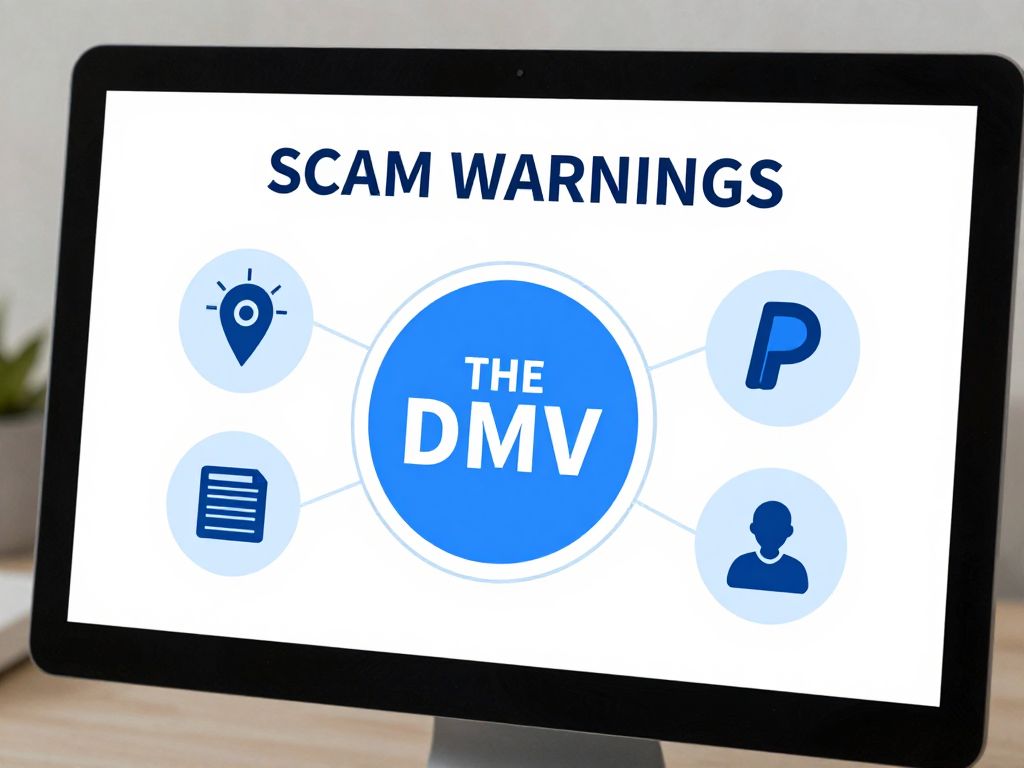
North Myrtle Beach police have issued a cautionary alert to residents regarding a recent increase in deceptive practices, specifically targeting individuals through schemes impersonating the Department of Motor Vehicles (DMV) and PayPal. The warning underscores a broader, Nationwide trend of escalating fraudulent activities, often preying on trust and urgency, that has seen a noticeable uptick in recent years.
Understanding the Threat: DMV and PayPal Impersonations
The core of these recent advisories centers on fraudsters meticulously crafting scenarios that mimic official communications from both the DMV and PayPal. These scams often manifest through various digital channels, including emails, text messages, and phone calls, designed to appear legitimate. The aim is invariably to extract sensitive personal information, such as social security numbers, bank account details, or login credentials, under false pretenses. For instance, a common tactic in DMV-related scams involves urgent demands for payment to avoid penalties for purported infractions or to renew licenses, often containing links to fraudulent websites that mirror official government portals. Similarly, PayPal scams frequently involve notifications of unauthorized account activity or requests to confirm personal details, directing recipients to deceptive pages where their login information is harvested. The ease with which digital identities can be fabricated renders these approaches particularly insidious, as the distinction between a genuine inquiry and a malicious ploy becomes increasingly difficult for the unsuspecting eye.
These deceptive practices, while employing modern digital tools, often rely on methods that are remarkably similar to those used by traditional con artists, leveraging human vulnerabilities such as fear of legal repercussions or the desire to resolve financial anomalies quickly. The quiet resolve required to scrutinize every unexpected communication, to question its authenticity, becomes a vital shield against such machinations.
A Broader Landscape of Fraud: Nationwide Trends
The vigilance now called for in North Myrtle Beach reflects a wider pattern observed across the nation. The 2024 National Money Laundering Risk Assessment (NMLRA), released on February 1, 2024, highlighted a significant increase in the prevalence of various scams. This comprehensive assessment noted that many of the methods employed by contemporary scammers echo traditional fraudulent techniques, adapted for the digital age. The NMLRA further indicated that the period coinciding with the COVID-19 pandemic saw a notable surge in the number of these deceptive schemes. This sustained elevation in fraudulent activity points to an evolving threat landscape where individuals and their financial well-being are consistently targeted.
The report’s findings illuminate a persistent challenge, suggesting that while the immediate context for these warnings is local, the underlying forces driving such criminal endeavors are systemic and Nationwide. The quiet erosion of trust, the subtle pressures exerted by these scams, touch upon a fundamental human need for security and order in one’s personal affairs. The broader increase in these activities, as documented, suggests a persistent, often unseen, battle waged in the digital shadows, affecting individuals who may simply be trying to navigate their daily lives.
Protecting Personal Information and Financial Security
In light of these persistent threats, both local and Nationwide, authorities universally emphasize a few fundamental principles for safeguarding oneself. It is consistently advised to exercise extreme caution when receiving unsolicited communications that request personal or financial information. Verifying the legitimacy of such requests through official, independently obtained contact information—rather than numbers or links provided in the suspicious message itself—is paramount. For instance, if a message purports to be from the DMV or PayPal, contacting the respective organization directly via their official website or a publicly listed phone number is the surest way to confirm its authenticity. Awareness and a measured skepticism, rather than hasty reaction, serve as the most dependable defenses in an age where digital interactions often mask unseen intentions. The quiet strength found in patient verification can prevent moments of hurried decision from leading to lasting regret.
Frequently Asked Questions (FAQ)
What is the primary warning issued by North Myrtle Beach police?
North Myrtle Beach police are cautioning residents about an increase in scams, specifically those related to the DMV and PayPal.
What types of scams are increasing in North Myrtle Beach?
The police are specifically warning about scams related to the DMV and PayPal.
Is the increase in scams a local phenomenon or a broader trend?
The increase in scams in North Myrtle Beach reflects a broader, Nationwide trend, as highlighted by the 2024 National Money Laundering Risk Assessment (NMLRA).
When was the 2024 National Money Laundering Risk Assessment (NMLRA) released?
The 2024 National Money Laundering Risk Assessment (NMLRA) was released on February 1, 2024.
What did the NMLRA note about scam methods?
The NMLRA noted that many of the methods used by these scammers are similar to those used by traditional methods.
Did the COVID-19 pandemic impact scam activity?
Yes, the 2024 NMLRA observed that the COVID-19 pandemic saw an increase in the number of scams.
Key Features of Current Scam Landscape
| Feature | Description | Scope |
|---|---|---|
| Primary Concern in North Myrtle Beach | Increase in scams specifically related to the DMV and PayPal. | Local |
| Broader Trend (NMLRA 2024) | Significant increase in various scams, noting similar methods to traditional ones. | Nationwide |
| Impact of COVID-19 Pandemic | Observed increase in the number of scams during the pandemic. | Nationwide |
| Common Scam Tactics | Impersonation of official entities (DMV, PayPal), urgent requests for personal/financial data, fraudulent links/websites. | General/Nationwide |
| Recommended Prevention | Exercise caution with unsolicited requests, verify legitimacy through official channels, avoid links in suspicious messages. | General |
Deeper Dive: News & Info About This Topic
HERE Resources
Three Arrested in Dorchester County for Lottery Fraud
South Carolina Man Arrested for COVID-19 Fraud Scheme
Charleston Roofing Company Leaves Homeowners High and Dry
Teen Arrested After High-Speed Police Chase in Horry County
Joyful Shopping Awaits in Myrtle Beach This Holiday Season
Holiday Markets in the Grand Strand for Gift Shopping

Author: STAFF HERE MYRTLE BEACH
The HERE Myrtle Beach Staff Writers are a collaborative team of journalists, editors, and local contributors passionate about delivering accurate, timely information to the Myrtle Beach community. As part of the HEREcity.com Network, which powers over 100 U.S. city sites including HEREcolumbia.com, our staff draws on collective experience in South Carolina journalism to cover everything from business sales and real estate developments to dining deals and community initiatives. Our Expertise and Background Local Roots in Myrtle Beach Our team includes lifelong Myrtle Beach residents and SC natives with deep knowledge of the area’s history, economy, and culture. We’ve covered key events like the recent developments along the Grand Strand, Myrtle Beach’s tourism and hospitality industry, and growth in local education sectors (e.g., Coastal Carolina University programs). Collective Experience With over 50 combined years in journalism, our staff has backgrounds in print, digital media, and community reporting. We prioritize fact-based stories, drawing from sources like the Myrtle Beach Area Chamber of Commerce, city government records, and on-the-ground interviews. Commitment to Quality Every article is a group effort, involving research, editing, and verification to ensure reliability. We adhere to journalistic standards, citing credible sources and updating content as new details emerge.