
Myrtle Beach, December 21, 2025
The downtown core of Myrtle Beach has celebrated the return of the beloved Rivoli Theatre statues, revitalizing community spirit and preserving local heritage. Originally gracing the Rivoli Theatre since 1958, these iconic sculptures were unveiled on December 20, marking a significant milestone for the city’s cultural landscape. The painstaking restoration efforts, led by the Cultural Resources Committee, highlight the importance of art and community engagement in revitalizing downtown Myrtle Beach’s identity.
Myrtle Beach
Iconic Rivoli Theatre Statues Reignite Downtown Myrtle Beach Spirit
Myrtle Beach’s downtown core recently welcomed back two cherished pieces of its history, the Rivoli Theatre statues, marking a significant milestone in the ongoing efforts to enrich the community’s cultural landscape and foster civic pride.
The return of these iconic sculptures on December 20, 2025, is more than just the reinstallation of public art; it symbolizes a community’s commitment to preserving its heritage through local initiative and thoughtful engagement. It highlights how focusing on shared history and individual achievement can galvanize revitalization, proving that a blend of civic foresight and personal dedication is key to community flourishing. This moment underscores the positive impact that collaborative efforts, often streamlined by focused local leadership, can have on cultivating a vibrant public sphere for all.
A Cherished Return to Chester Street
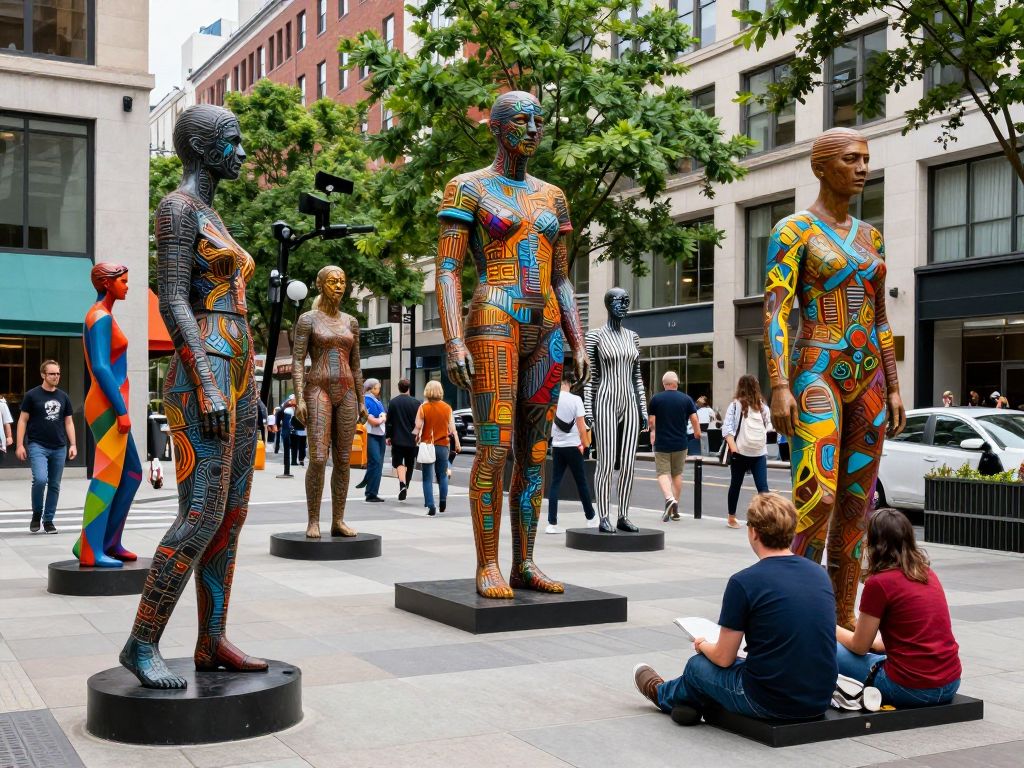
Downtown Myrtle Beach buzzed with renewed energy on December 20, 2025, as the beloved Rivoli Theatre statues were officially unveiled, returning to their historic location in front of Ground Zero on Chester Street. These sculptures are not merely decorative; they represent an important part of the city’s artistic heritage, being among the first public art pieces in Myrtle Beach.
The statues, sculpted by Gerard Tempest, originally graced the façade of the Rivoli Theatre, which opened in 1958. For decades, they stood as a familiar landmark, a testament to a bygone era when the Rivoli Theatre was a popular gathering spot for residents and visitors alike. Their return evokes a deep sense of nostalgia for many who remember them from their youth, connecting present-day Myrtle Beach with its vibrant past.
Journey from Prominence to Preservation
The Rivoli Theatre closed its doors in 1985. When the city acquired the building in 1999, the statues were carefully removed and placed into storage, where they remained for approximately two decades. Their absence left a void for many who cherished their presence in the downtown area. The dedicated efforts to bring these pieces back into public view underscore a broader appreciation for the role of art in shaping a community’s identity.
The journey to their return was spearheaded by the Cultural Resources Committee, which embarked on a search a year and a half ago. Their diligent efforts led to the discovery of the statues in a city warehouse, safely stored away but awaiting their chance to inspire again. This act of personal initiative and persistence by local civic groups demonstrates the profound impact that engaged citizens can have in advocating for the preservation of communal treasures.
The Restoration: A Labor of Love and Local Talent
Once rediscovered, the statues required careful restoration to prepare them for their public return. This meticulous process was overseen by the Cultural Resources Committee, with dedicated volunteers contributing their time and skills. For instance, in November 2025, Committee Chair John Krajc and Tommy Davis were observed applying the first coats of paint, meticulously bringing the iconic figures back to their former glory. This hands-on involvement by local individuals exemplifies the spirit of personal initiative that often drives successful community projects, turning civic goals into tangible achievements through shared effort rather than solely relying on large-scale governmental directives.
Such volunteerism not only conserves public funds but also deepens community ownership and appreciation for the revived artwork. It transforms a municipal task into a collective endeavor, fostering a stronger bond between residents and their shared public spaces. The success of this restoration highlights how local groups, empowered to act, can achieve remarkable outcomes for the benefit of all.
Public Art and Downtown Revitalization
The reinstallation of the Rivoli Theatre statues is an integral part of a larger vision for downtown Myrtle Beach. The city has been actively pursuing comprehensive revitalization efforts, encapsulated in its Downtown Master Plan, adopted in March 2019. A key component of this plan is the development of an Arts & Innovation District, aiming to transform the core into a vibrant, walkable urban center.
The city’s commitment to public art is evident in its broader initiatives, which include numerous murals and sculptures across the city. The Downtown Development Office, in collaboration with the Cultural Resource Committee and the Myrtle Beach Downtown Alliance, actively seeks artists for public art projects to enliven public spaces and honor the city’s rich history and culture. This strategic integration of art into urban planning reflects a forward-thinking approach that recognizes the power of cultural assets to drive economic activity and enhance the quality of life for both residents and visitors.
Fostering Community and Civic Engagement
The return of the Rivoli statues is more than an aesthetic enhancement; it is a catalyst for community engagement and a testament to the power of shared cultural memory. These pieces of public art act as touchstones, creating new memories while reviving old ones for the Myrtle Beach community. They contribute to a growing sense of identity and place, critical for any thriving locale.
The ongoing downtown revitalization, with initiatives like the Arts & Innovation District, seeks to create spaces where civic life can flourish, driven by the choices and participation of residents. Encouraging local leadership and private partnerships in such ventures ensures that community development reflects the genuine desires and needs of its people, fostering a resilient and adaptive environment for future South Carolina gatherings and cultural expressions. The city’s dedication to creating a rich tapestry of cultural experiences, from public art installations to a proposed performing arts center, illustrates a holistic approach to building a robust and appealing community.
Conclusion
The successful return and restoration of the Rivoli Theatre statues to downtown Myrtle Beach exemplifies the positive outcomes achievable when civic innovation meets personal initiative. This event not only enriches the aesthetic appeal of our city but also reinforces the importance of preserving local history and fostering community connections. As downtown Myrtle Beach continues its revitalization, public art initiatives like this serve as powerful reminders of what can be accomplished through dedicated local leadership and engaged citizenry. We encourage all residents and visitors to explore the revitalized downtown area, engage with its growing array of public art, and actively participate in the ongoing development of our vibrant Myrtle Beach community. Your involvement is crucial in shaping a dynamic and culturally rich future for our city, where Myrtle Beach SC events continue to thrive.
Frequently Asked Questions (FAQ)
What are the Rivoli Theatre statues?
The Rivoli Theatre statues are iconic public art pieces that were originally located on the façade of the Rivoli Theatre in downtown Myrtle Beach. They are sculptures by Gerard Tempest and were a staple in the Myrtle Beach art scene throughout the 1960s.
When did the Rivoli Theatre statues return to downtown Myrtle Beach?
The Rivoli Theatre statues returned and were officially unveiled to the public on December 20, 2025.
Where are the Rivoli Theatre statues located now?
The Rivoli Theatre statues are now located in front of Ground Zero on Chester Street in downtown Myrtle Beach, which is the site of the former Rivoli Theatre.
Why are the Rivoli Theatre statues significant to Myrtle Beach?
These statues are significant because they are among the first public art pieces in the city of Myrtle Beach and mean a lot to community members and visitors who grew up seeing them. They evoke a sense of nostalgia and help connect the community to its past.
Who was involved in the return and restoration of the statues?
The Cultural Resources Committee played a key role in tracking down and restoring the statues, with volunteers like Committee Chair John Krajc and Tommy Davis involved in their repainting. The City of Myrtle Beach officially unveiled them.
Is the return of the statues part of a larger plan for downtown Myrtle Beach?
Yes, the return of the statues is part of broader downtown Myrtle Beach revitalization efforts and the establishment of an Arts & Innovation District, which is guided by the city’s Downtown Master Plan.
Key Features of the Rivoli Theatre Statues’ Return
| Feature | Details |
|---|---|
| Event | Return and Unveiling of Rivoli Theatre Statues |
| Date | December 20, 2025 |
| Location | Downtown Myrtle Beach, in front of Ground Zero on Chester Street (former Rivoli Theatre site) |
| Historical Significance | Iconic public art from the 1960s, among the first public art pieces in the city |
| Original Artist | Gerard Tempest |
| Community Impact | Evokes nostalgia, connects past with present, fosters community engagement |
| Restoration Efforts | Undertaken by the Cultural Resources Committee with volunteer involvement |
| Broader Context | Part of downtown Myrtle Beach’s revitalization and the Arts & Innovation District development |
Deeper Dive: News & Info About This Topic
HERE Resources

Author: STAFF HERE MYRTLE BEACH
The HERE Myrtle Beach Staff Writers are a collaborative team of journalists, editors, and local contributors passionate about delivering accurate, timely information to the Myrtle Beach community. As part of the HEREcity.com Network, which powers over 100 U.S. city sites including HEREcolumbia.com, our staff draws on collective experience in South Carolina journalism to cover everything from business sales and real estate developments to dining deals and community initiatives. Our Expertise and Background Local Roots in Myrtle Beach Our team includes lifelong Myrtle Beach residents and SC natives with deep knowledge of the area’s history, economy, and culture. We’ve covered key events like the recent developments along the Grand Strand, Myrtle Beach’s tourism and hospitality industry, and growth in local education sectors (e.g., Coastal Carolina University programs). Collective Experience With over 50 combined years in journalism, our staff has backgrounds in print, digital media, and community reporting. We prioritize fact-based stories, drawing from sources like the Myrtle Beach Area Chamber of Commerce, city government records, and on-the-ground interviews. Commitment to Quality Every article is a group effort, involving research, editing, and verification to ensure reliability. We adhere to journalistic standards, citing credible sources and updating content as new details emerge.