

South Carolina School Districts Working Towards Cellphone Ban
Increased Restrictions to Improve Classroom Environment
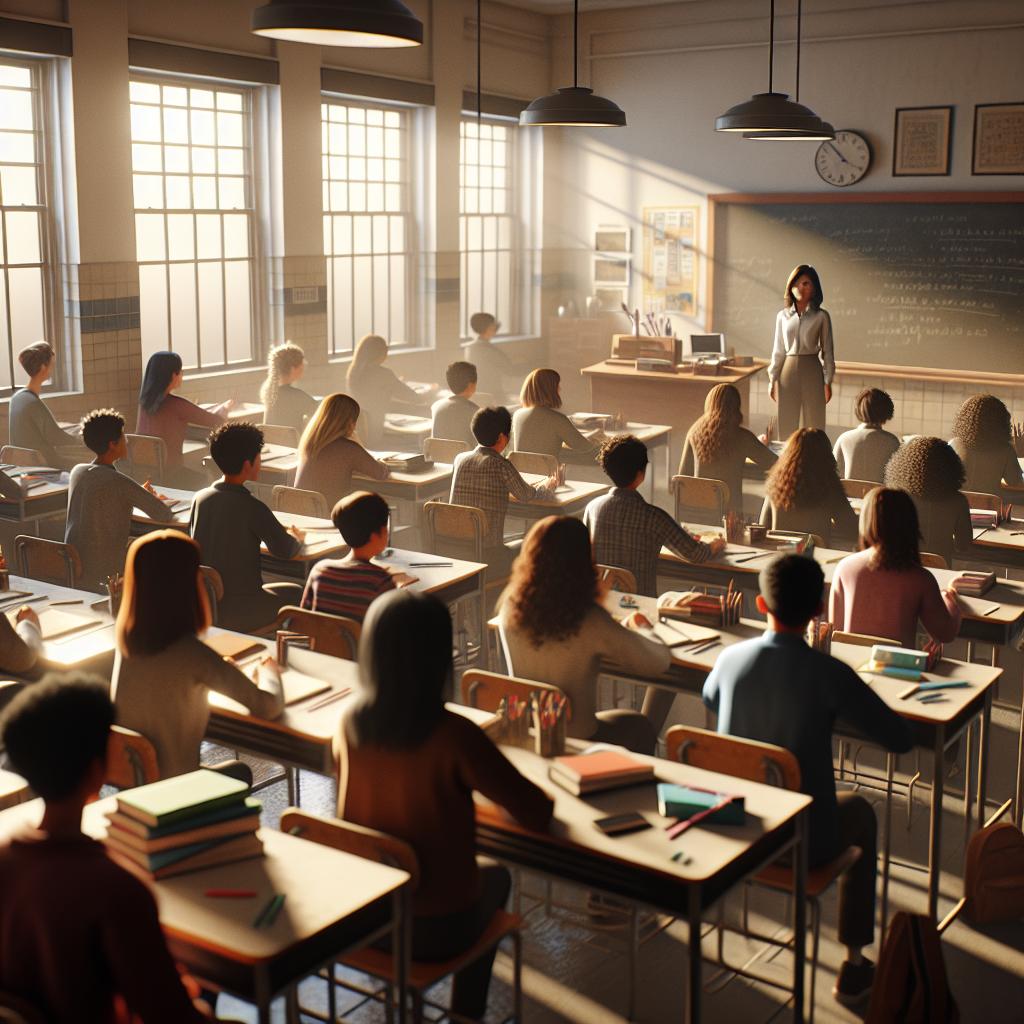
In efforts to minimize distractions and enhance the teaching and learning experience, lawmakers in South Carolina have proposed banning personal electronic devices, including cellphones, during direct instructional time in classrooms. The specifics of these restrictions are currently being deliberated upon by educational leaders across the state.
This provision, temporarily included within the state budget, instructs school districts to implement a rule that prohibits the use of personal electronic devices during instructional times. Failure to comply with this directive could put state funding for these districts at risk.
State Board of Education Steps In
The State Board of Education is currently in the process of approving a model policy for this directive. If the districts choose to implement their own local policies, they would need to be as strict, if not stricter, than the state’s policy. Deputy State Superintendent Matthew Ferguson said, “It sets the floor and not the ceiling. It implies the policy’s minimum standards and allows individual districts to build upon it and add their own local nuances and regulations.”.
The Department of Education has fleshed out a policy for the State Board to consider. This policy, given initial approval on a recent Tuesday, disallows the use of personal devices during the school day unless expressly approved by the district superintendent. This includes but is not limited to cellphones, smart watches, tablets, and gaming devices.
Exceptions and Discretion in the Policy
The policy provides exceptions for students with Individualized Education Program (IEP) plans and medical plans, where the device may be required for educational or medical purposes. Students who serve as volunteer firefighters or are part of other emergency organizations can also gain permission from their district superintendent to use their devices.
Students will have to store their devices in lockers, backpacks, or any location deemed appropriate by the district. The policy provides districts with the capability to outright prohibit students from bringing the devices on campus. The policy, however, does not strictly cover time spent on school buses, field trips, or during athletic events. It leaves discretion for these scenarios to individual districts.
Addressing Teacher Concerns and Potential Consequences
A summertime survey conducted by the Department of Education gathered responses from over 9,000 South Carolina K-12 public school teachers. The survey indicated strong support for some form of classroom cellphone restriction due to it causing distractions and impacting classroom management. The potential disciplinary actions for violations of the policy, however, have raised concerns about its impact on student engagement and learning.
The State Board of Education voiced their overall support for this policy. Board members decided to pause the final approval of the policy to work out finer details. They look forward to their next meeting in September where they hope to finalize the policy to plan for statewide implementation by January.
Next Steps for Districts
This timeline provides local school boards with the opportunity, during the fall, to deliberate and decide on the rule they plan to enforce. Some districts may have already instituted their own policies before the statewide implementation.


Author: STAFF HERE MYRTLE BEACH
The HERE Myrtle Beach Staff Writers are a collaborative team of journalists, editors, and local contributors passionate about delivering accurate, timely information to the Myrtle Beach community. As part of the HEREcity.com Network, which powers over 100 U.S. city sites including HEREcolumbia.com, our staff draws on collective experience in South Carolina journalism to cover everything from business sales and real estate developments to dining deals and community initiatives. Our Expertise and Background Local Roots in Myrtle Beach Our team includes lifelong Myrtle Beach residents and SC natives with deep knowledge of the area’s history, economy, and culture. We’ve covered key events like the recent developments along the Grand Strand, Myrtle Beach’s tourism and hospitality industry, and growth in local education sectors (e.g., Coastal Carolina University programs). Collective Experience With over 50 combined years in journalism, our staff has backgrounds in print, digital media, and community reporting. We prioritize fact-based stories, drawing from sources like the Myrtle Beach Area Chamber of Commerce, city government records, and on-the-ground interviews. Commitment to Quality Every article is a group effort, involving research, editing, and verification to ensure reliability. We adhere to journalistic standards, citing credible sources and updating content as new details emerge.