

AP African American Studies Course Will No Longer be Offered in South Carolina Public Schools
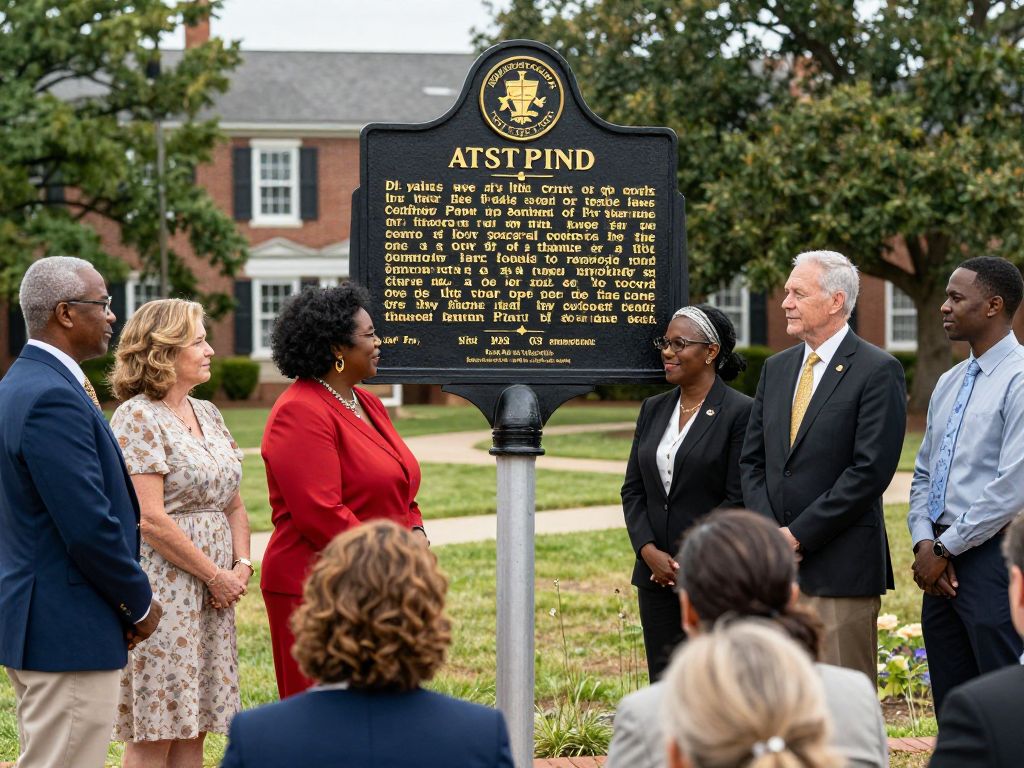
In a move that has resulted in widespread dissent, it has been announced that the South Carolina Department of Education will no longer offer the AP (Advanced Placement) African American Studies course in state schools. This decision has come as a revelation following a two-year pilot scheme, implemented across districts such as the Greenville County Schools, for the AP course.
The Importance of the Course
Composed by College Board, a nonprofit education organization, the course serves as a comprehensive study into the diversity of black communities within the United States. Dr. Jerret Fite, a professor at Clinton College, expressed how the class provides students with practical college-level experience while still in high school and aids in making the transition from high school to college smoother for them.
Controversy Surrounding the Decision
According to a decree issued to school districts by Deputy Superintendent Matthew Ferguson, the course has been steeped in significant controversy. The announcement has been met with vocal frustration from teachers and students within the Greenville County school district, who believe that the course is a necessary inclusion at AP level.
African American studies professors within local communities have expressed concern over the potential implications this decision could have on students’ preparation for college. “Students are aware of the implication of decisions like this,” says Dr. Jim Neighbors, a professor at Wofford College. “They understand that when a state makes a decision like this, it’s establishing a priority, a kind of hierarchy of what’s important. So when they see that African American studies are not part of the AP curriculum then they think it’s just not important.”
The Underlying Issues
Debate surrounding the possible cessation of funding for subjects such as AP African American studies was held in Columbia in an education transparency bill discussion. The controversy surrounding the course was not mentioned; instead, the issue was framed as a deficit in funding.
Local professors have highlighted the necessity of these types of classes being prioritized. Particularly pertinent was the statement made by Dr. Fite: “The issue you have with removing the AP-level courses and giving those communities an opportunity is number one, you rob this intellectual student that at a high school level, can reach potential to help them with their future. If they are on their way or on track to go to college, these courses on a high school level gives them college credit so that it expedites their education in college. If they come from an impoverished family it cuts the time down that they’re in school which also cuts the potential debt down.”
A Ray of Hope
In a somewhat consolatory move, the Department of Education has declared that districts can offer the course content through a locally-approved honors course. Following the announcement of the course withdrawal, Greenville County Schools issued a statement: “The District received official notification that the African American Studies AP course will not be available for the school year. Some high schools within Greenville County had this course scheduled for the spring, which provides the District time to consider the appropriate path moving forward.”


Author: STAFF HERE MYRTLE BEACH
The HERE Myrtle Beach Staff Writers are a collaborative team of journalists, editors, and local contributors passionate about delivering accurate, timely information to the Myrtle Beach community. As part of the HEREcity.com Network, which powers over 100 U.S. city sites including HEREcolumbia.com, our staff draws on collective experience in South Carolina journalism to cover everything from business sales and real estate developments to dining deals and community initiatives. Our Expertise and Background Local Roots in Myrtle Beach Our team includes lifelong Myrtle Beach residents and SC natives with deep knowledge of the area’s history, economy, and culture. We’ve covered key events like the recent developments along the Grand Strand, Myrtle Beach’s tourism and hospitality industry, and growth in local education sectors (e.g., Coastal Carolina University programs). Collective Experience With over 50 combined years in journalism, our staff has backgrounds in print, digital media, and community reporting. We prioritize fact-based stories, drawing from sources like the Myrtle Beach Area Chamber of Commerce, city government records, and on-the-ground interviews. Commitment to Quality Every article is a group effort, involving research, editing, and verification to ensure reliability. We adhere to journalistic standards, citing credible sources and updating content as new details emerge.