

Myrtle Beach, SC, February 8, 2026
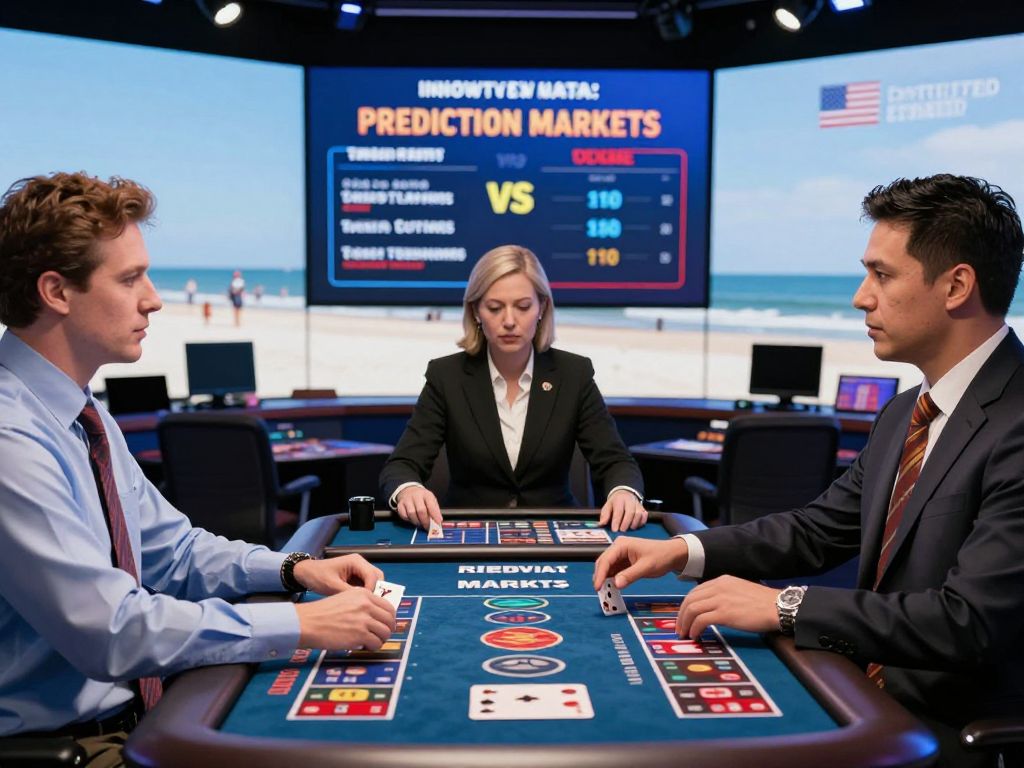
A significant clash is emerging in the betting industry as innovative prediction markets challenge traditional casinos. This battle raises important economic questions and highlights the role of regulation in fostering or hindering innovation. With states like New Jersey and Nevada grappling with the implications of these new platforms, local businesses in Myrtle Beach must stay informed of national trends that impact the economic landscape. The outcomes of these regulatory battles could shape the future of wagering and entrepreneurship.
WHAT’S HAPPENING
What is the main conflict happening in the betting world?
A significant battle is unfolding between innovative prediction markets, which claim to be financial instruments, and the established casino industry, which views them as unregulated gambling and a threat. This dispute centers on the classification and regulation of platforms like Kalshi and Polymarket.
How do prediction markets operate differently from traditional sports betting?
Prediction markets allow individuals to buy and sell “contracts” based on the likelihood of future events, similar to financial exchanges, arguing they are not subject to traditional gambling laws. In contrast, traditional sports betting, offered by casinos, operates under strict gambling regulations and taxes.
Why is the traditional casino industry opposing prediction markets?
Casinos fear unfair competition and the erosion of their regulated revenue streams, contending that prediction markets offering sports-related contracts are essentially engaging in sports betting without the same strict laws, taxes, and oversight. They are concerned these platforms could expand into casino-style games.
What legal and legislative efforts are underway regarding prediction markets?
Legislators are pushing for amendments like a “PROHIBITION ON CERTAIN EVENT CONTRACTS INVOLVING SPORTS AND CASINO-STYLE GAMES” in the Commodity Exchange Act, while legal battles have seen some prediction markets, like Kalshi, achieve temporary favorable rulings against state regulators. Native American Tribes and Nevada regulators are also actively fighting these new rivals.
What are the broader implications of this dispute for the economy and consumers?
This conflict highlights the tension between fostering innovation and maintaining regulatory control, raising questions about consumer protection due to the “blending” of betting and investing. The outcome will shape future wagering and offer lessons for industries facing disruption, impacting economic growth in areas like Myrtle Beach, SC.
Myrtle Beach, SC –
Innovation vs. Regulation: Betting’s New Frontier
A fascinating battle is unfolding in the world of wagering, pitting innovative prediction markets against the established casino industry. This high-stakes dispute over sports betting raises crucial questions about economic freedom, technological advancement, and the role of regulation in fostering or hindering new ventures. For Myrtle Beach, SC business leaders and South Carolina entrepreneurs, understanding these national trends is vital as they shape the broader economic landscape.
At the heart of this conflict lies the classification of prediction markets. Companies like Kalshi and Polymarket argue that their platforms, where users bet on future events including sports, are not subject to traditional gambling laws and their associated taxes. This stance represents a bold entrepreneurial move, challenging existing frameworks and seeking to carve out a new space in a highly regulated industry. The casino industry, long accustomed to strict oversight, views these new entrants as a significant threat and is actively lobbying to bring them under the same regulatory umbrella.
The Rise of Prediction Markets
Prediction markets operate on principles that resemble financial exchanges, allowing individuals to buy and sell “contracts” based on the likelihood of a future event occurring. These platforms have seen rapid expansion, particularly in sports-related contracts. In New York State, the volume of sports wagering on regulated platforms has been quickly overshadowed by the volume on prediction markets offering similar bets. This surge in popularity suggests a demand for novel ways to engage with sports events, reflecting a spirit of consumer choice and technological adaptation.
The appeal of prediction markets often stems from their perceived innovation and lower regulatory burden, which can enable quicker development and offer different experiences to users. This dynamism is a hallmark of effective small business innovation and entrepreneurship, demonstrating how new ideas can disrupt established sectors and create new opportunities for economic growth.
Casino Industry’s Stance and Regulatory Pushback
The traditional casino industry, including major sportsbooks, has taken notice of this explosive growth and is concerned about the competitive imbalance. They contend that prediction markets offering bets on sports contests are, in essence, engaging in sports betting and should be subject to the same strict gambling laws, taxes, and oversight that casinos adhere to. This perspective emphasizes fairness and the protection of existing regulatory frameworks designed to ensure integrity and generate state revenue.
Legislative efforts are underway to address this perceived loophole. A proposed amendment to the Commodity Exchange Act aims for a “PROHIBITION ON CERTAIN EVENT CONTRACTS INVOLVING SPORTS AND CASINO-STYLE GAMES”. This move underscores the ongoing tension between fostering innovation and maintaining regulatory control over established industries. Regulators, such as those in Nevada, have expressed concerns that prediction markets could eventually expand into casino-style games, and Nevada has stated it will remain “steadfast” in its opposition to sports betting prediction markets.
Legal Battles and State-Level Scrutiny
The conflict is not confined to legislative halls; it’s also playing out in courtrooms. A significant development occurred when a New Jersey Federal Court sided with Kalshi, a prediction market, temporarily blocking the New Jersey Division of Gaming Enforcement from taking action as a broader legal fight continues. This legal victory highlights the complex interpretations of existing laws and the challenges faced by states attempting to regulate these new platforms. The outcome of such legal challenges could set precedents that significantly impact the future of both industries Nationwide.
Native American Tribes, who operate many casinos and often rely on revenue from gambling, are also actively engaged in this fight against sports betting rivals, including prediction markets. Their long-established system of casinos, horse racing, and sports betting represents a substantial economic foundation, and they are committed to protecting it from unregulated competition.
The Blending of Betting and Investing
A key point of contention is the “blending” of sports betting and investing within financial services, a phenomenon highlighted by industry experts. This blurring of lines raises questions about consumer protection and the appropriate regulatory oversight for platforms that may be perceived differently by users. The debate touches on whether these markets encourage genuine investment or simply offer another form of gambling, requiring careful consideration from lawmakers and regulators. With sports betting now legal in over 39 states, and more than half of college-age students reporting having bet on sports at least once Nationwide, the stakes are undeniably high.
Key Features of the Prediction Market vs. Casino Battle
| Aspect | Prediction Markets | Casino Industry & Allies |
|---|---|---|
| Nature of Offering | Claim to be financial instruments, not gambling; offer contracts on future events including sports. | Offers traditional sports betting and casino games; operates under specific gambling laws. |
| Regulatory Stance | Argue existing gambling laws and taxes do not apply to them. | Lobby to subject prediction markets to the same gambling laws and taxes. |
| Key Concerns | Seek legal clarity and freedom to innovate without excessive regulation. | Fear unfair competition, expansion into casino games, and erosion of existing revenue streams. |
| Legal Actions/Legislative Efforts | Have seen favorable rulings (e.g., New Jersey Federal Court siding with Kalshi). | Push for legislative changes like the Commodity Exchange Act amendment to prohibit certain event contracts. |
| Impact on Volume | Rapidly overshadowing regulated sports wagering volume in some areas (e.g., New York State). | Concerned about the shift in wagering volume away from regulated platforms. |
| Geographic Scope | Nationwide growth and legal battles. | Nationwide regulatory efforts and opposition (e.g., Nevada). |
Looking Ahead: Implications for Economic Growth
The ongoing clash between prediction markets and the casino industry is a microcosm of broader economic trends, illustrating the tension between entrepreneurial spirit and established regulatory frameworks. For communities like Myrtle Beach, fostering an environment that encourages South Carolina entrepreneurs and supports economic growth often involves navigating these complex issues. While strict regulations can provide stability, a balanced approach that also allows for innovation and the emergence of new market solutions can unlock significant potential.
The outcome of this national debate will undoubtedly shape the future of wagering and could offer valuable lessons for other industries facing disruption. It highlights the need for clear, fair, and forward-thinking policies that protect consumers while still allowing space for innovative businesses to thrive. We encourage our readers to stay informed and engaged with these developments, as they reflect the dynamic nature of our economy and the ongoing pursuit of new opportunities.
Deeper Dive: News & Info About This Topic
HERE Resources
2025 Myrtle Beach Bowl Features Conference Champions
LSU Tigers vs Coastal Carolina Chanticleers in NCAA Championship Showdown
Mark Your Calendars: Top Golf Weekends in 2025
Florida Atlantic and Oklahoma State Set for High-Stakes College Basketball Showdown in Charleston
Crimson Tide Faces Gamecocks in Critical SEC Clash Amidst Recent Struggles
South Carolina Gamecocks Claim Week 4 Victory Over Akron in College Football Showdown

Author: STAFF HERE MYRTLE BEACH
The HERE Myrtle Beach Staff Writers are a collaborative team of journalists, editors, and local contributors passionate about delivering accurate, timely information to the Myrtle Beach community. As part of the HEREcity.com Network, which powers over 100 U.S. city sites including HEREcolumbia.com, our staff draws on collective experience in South Carolina journalism to cover everything from business sales and real estate developments to dining deals and community initiatives. Our Expertise and Background Local Roots in Myrtle Beach Our team includes lifelong Myrtle Beach residents and SC natives with deep knowledge of the area’s history, economy, and culture. We’ve covered key events like the recent developments along the Grand Strand, Myrtle Beach’s tourism and hospitality industry, and growth in local education sectors (e.g., Coastal Carolina University programs). Collective Experience With over 50 combined years in journalism, our staff has backgrounds in print, digital media, and community reporting. We prioritize fact-based stories, drawing from sources like the Myrtle Beach Area Chamber of Commerce, city government records, and on-the-ground interviews. Commitment to Quality Every article is a group effort, involving research, editing, and verification to ensure reliability. We adhere to journalistic standards, citing credible sources and updating content as new details emerge.