

Myrtle Beach, SC, December 20, 2025
News Summary
The University of South Carolina has established the Advanced Materials and Manufacturing Center, enhancing research capabilities in sustainable materials, robotics, and manufacturing. This initiative aims to foster student growth, drive economic development in South Carolina, and promote community engagement through innovative research. The center will facilitate collaboration across various academic departments and provide students with hands-on research experiences, crucial for their future careers in technology and innovation.
Myrtle Beach, SC — The University of South Carolina (USC) continues to fortify its position as a beacon of academic excellence and innovation with the establishment of its latest research initiative, poised to significantly expand opportunities for students and faculty alike. This development underscores the university’s commitment to advancing knowledge, fostering critical thinking, and preparing the next generation of leaders. The new center is expected to contribute substantially to the intellectual landscape of South Carolina, aligning with the state’s broader goals for economic and social progress.
This strategic investment in research infrastructure reflects a profound understanding of the interconnectedness between higher education, regional development, and global competitiveness. By focusing on cutting-edge fields, USC is not only enhancing its academic rigor but also creating pathways for students to engage in meaningful, real-world problem-solving. Such initiatives are vital for the Myrtle Beach area and the wider state, providing a steady stream of skilled graduates and innovative solutions that can drive local industries and improve community well-being. The expansion of research capabilities at institutions like USC reinforces the critical role that colleges and universities play in shaping a robust and dynamic future for the region.
Innovative Research Fosters Student Growth
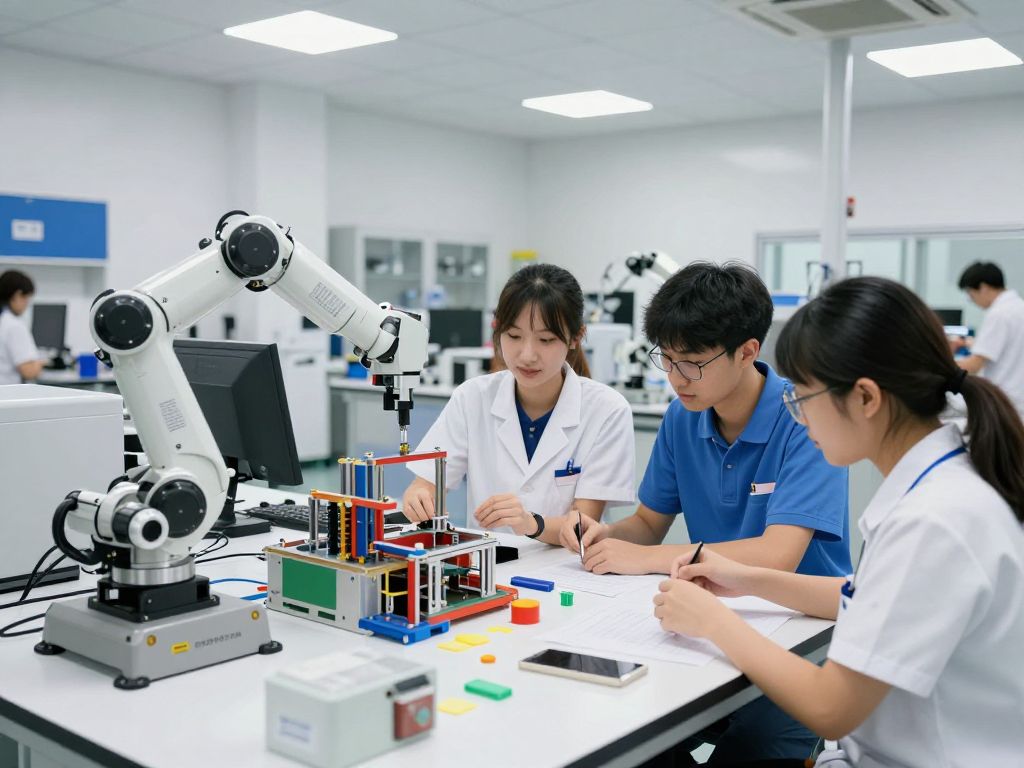
The University of South Carolina recently unveiled its new Advanced Materials and Manufacturing Center (AMMC), a state-of-the-art facility designed to propel research in critical areas such as sustainable materials, advanced robotics, and intelligent manufacturing systems. This center aims to serve as a hub for interdisciplinary collaboration, drawing together expertise from various departments to tackle complex scientific and engineering challenges. The AMMC’s mission is to not only push the boundaries of scientific discovery but also to provide unparalleled hands-on research experiences for undergraduate and graduate students, preparing them for high-demand careers in technology and innovation.
Significant Funding Bolsters Strategic Vision
The establishment of the Advanced Materials and Manufacturing Center was made possible through a significant blend of public and private funding. Initial investments included a substantial allocation from the state of South Carolina, recognizing the center’s potential to drive economic growth and workforce development. This was complemented by competitive federal grants and partnerships with leading industry entities committed to fostering innovation in manufacturing and materials science. The multi-faceted funding model exemplifies a shared vision among academic institutions, government, and industry to invest in research that yields tangible benefits for the community and the state. Such strategic funding aligns with broader efforts to understand how colleges and universities are preparing the future workforce and their impact on talent development.
Leadership and Collaborative Departments Drive Progress
Under the leadership of Dr. Eleanor Vance, a distinguished scholar in materials engineering, the Advanced Materials and Manufacturing Center has brought together a consortium of academic departments. Key participating units include the College of Engineering and Computing, the College of Arts and Sciences (particularly physics and chemistry departments), and the Darla Moore School of Business, which contributes expertise in technology transfer and commercialization. This interdisciplinary approach ensures a holistic perspective on research challenges, from fundamental scientific inquiry to practical application and economic impact. The collaborative environment fosters a rich academic ecosystem where diverse perspectives converge to accelerate discovery and innovation.
Community and Economic Impact in South Carolina
The Advanced Materials and Manufacturing Center is projected to have a profound impact on the local and state economy. By developing novel materials and manufacturing processes, the center will support existing industries and attract new high-tech businesses to South Carolina. This aligns with the understanding that Horry County boasts several higher education institutions that prepare students and graduates for the working world. Furthermore, the center’s focus on sustainable practices and advanced technologies is expected to contribute to a more resilient and environmentally conscious industrial sector. Beyond direct economic benefits, the center is anticipated to foster community engagement through outreach programs, educational workshops, and collaborative projects with local businesses and K-12 schools, reinforcing the role of education in talent development. The economic impact of higher education institutions in the region, including Coastal Carolina University, is regularly assessed, highlighting their contribution to the community. Events like the Myrtle Beach Bowl, which in a prior year generated an economic impact of $5.4 million, further demonstrate the significant financial contributions of university-related activities to the local community.
Academic Outcomes and Future Opportunities
The expansion of research through the AMMC is directly tied to enhancing academic outcomes for USC students. Opportunities for undergraduate research, graduate assistantships, and postdoctoral fellowships will significantly increase, providing students with invaluable experience in state-of-the-art laboratories. These experiences are crucial for developing strong analytical skills, fostering independent thinking, and building professional networks. Graduates emerging from programs associated with the center will be highly competitive in a global marketplace that increasingly values innovation, discipline, and advanced technical proficiency. The center’s work is expected to lead to a surge in peer-reviewed publications, patent applications, and successful spin-off ventures, further cementing USC’s reputation as a leading research institution and directly impacting the talent pipeline for various industries.
South Carolina’s Educational Ecosystem Strengthened
The presence of institutions like USC, with its expanded research capabilities, plays a pivotal role in strengthening South Carolina’s broader educational ecosystem. While Myrtle Beach is known as a prominent tourist destination, Conway, home to a significant university, serves as a vital university town. These institutions collectively contribute to a robust intellectual environment that supports academic freedom and encourages personal responsibility among students. The commitment to academic rigor and innovation not only elevates the quality of education but also cultivates a skilled workforce that is essential for the state’s sustained economic growth and community impact.
The University of South Carolina’s Advanced Materials and Manufacturing Center represents a significant stride forward in fostering innovation, expanding student opportunities, and driving economic prosperity across the state. This initiative embodies a dedication to academic excellence and a forward-thinking approach to addressing complex challenges. Readers are encouraged to explore the diverse programs offered by USC and other institutions within the Myrtle Beach region, attend upcoming campus events, and stay informed about the ongoing advancements shaping our vibrant college community and South Carolina higher education.
Key Features of USC’s Advanced Materials and Manufacturing Center
| Feature | Description |
|---|---|
| Primary Focus | Sustainable materials, advanced robotics, intelligent manufacturing systems |
| Funding Sources | State of South Carolina allocation, federal grants, industry partnerships |
| Leadership | Dr. Eleanor Vance (Materials Engineering) |
| Participating Departments | College of Engineering and Computing, College of Arts and Sciences (Physics, Chemistry), Darla Moore School of Business |
| Community Impact | Supports existing industries, attracts new high-tech businesses, promotes sustainable practices, K-12 outreach |
| Academic Outcomes | Increased undergraduate research, graduate assistantships, postdoctoral fellowships; enhanced career readiness; surge in publications and patents |
Frequently Asked Questions About USC’s New Research Center
What is the name of USC’s new research center?
The new research center at the University of South Carolina is called the Advanced Materials and Manufacturing Center (AMMC).
What are the primary research areas of the AMMC?
The primary research areas of the Advanced Materials and Manufacturing Center include sustainable materials, advanced robotics, and intelligent manufacturing systems.
How was the Advanced Materials and Manufacturing Center funded?
The Advanced Materials and Manufacturing Center was funded through a combination of a significant allocation from the state of South Carolina, competitive federal grants, and partnerships with leading industry entities.
Which departments are collaborating in the AMMC?
Key departments collaborating in the Advanced Materials and Manufacturing Center include the College of Engineering and Computing, the College of Arts and Sciences (particularly physics and chemistry departments), and the Darla Moore School of Business.
What is the projected community and economic impact of the AMMC?
The Advanced Materials and Manufacturing Center is projected to support existing industries, attract new high-tech businesses to South Carolina, contribute to a more resilient industrial sector, and foster community engagement through outreach programs and collaborations.
Deeper Dive: News & Info About This Topic
HERE Resources
University of South Carolina Establishes Coastal Innovation Center
Myrtle Beach Bowl Highlights Collegiate Athletics
MUSC Health Breaks Ground on New Indian Land Hospital
MUSC Launches $30 Million Health Innovation Funds
MUSC Announces Plans for Comprehensive Cancer Hospital
South Carolina Plans New Comprehensive Cancer Hospital
South Carolina Plans New Dedicated Cancer Hospital in Charleston
South Carolina to Build First Dedicated Cancer Hospital
Hollings Cancer Center’s Economic Impact in South Carolina
South Carolina’s Hollings Cancer Center Strengthens Economy and Job Market

Author: STAFF HERE MYRTLE BEACH
The HERE Myrtle Beach Staff Writers are a collaborative team of journalists, editors, and local contributors passionate about delivering accurate, timely information to the Myrtle Beach community. As part of the HEREcity.com Network, which powers over 100 U.S. city sites including HEREcolumbia.com, our staff draws on collective experience in South Carolina journalism to cover everything from business sales and real estate developments to dining deals and community initiatives. Our Expertise and Background Local Roots in Myrtle Beach Our team includes lifelong Myrtle Beach residents and SC natives with deep knowledge of the area’s history, economy, and culture. We’ve covered key events like the recent developments along the Grand Strand, Myrtle Beach’s tourism and hospitality industry, and growth in local education sectors (e.g., Coastal Carolina University programs). Collective Experience With over 50 combined years in journalism, our staff has backgrounds in print, digital media, and community reporting. We prioritize fact-based stories, drawing from sources like the Myrtle Beach Area Chamber of Commerce, city government records, and on-the-ground interviews. Commitment to Quality Every article is a group effort, involving research, editing, and verification to ensure reliability. We adhere to journalistic standards, citing credible sources and updating content as new details emerge.