
How Virtual Reality is Revolutionizing Workforce Training in South Carolina
The Growing Use of VR in Workforce Training
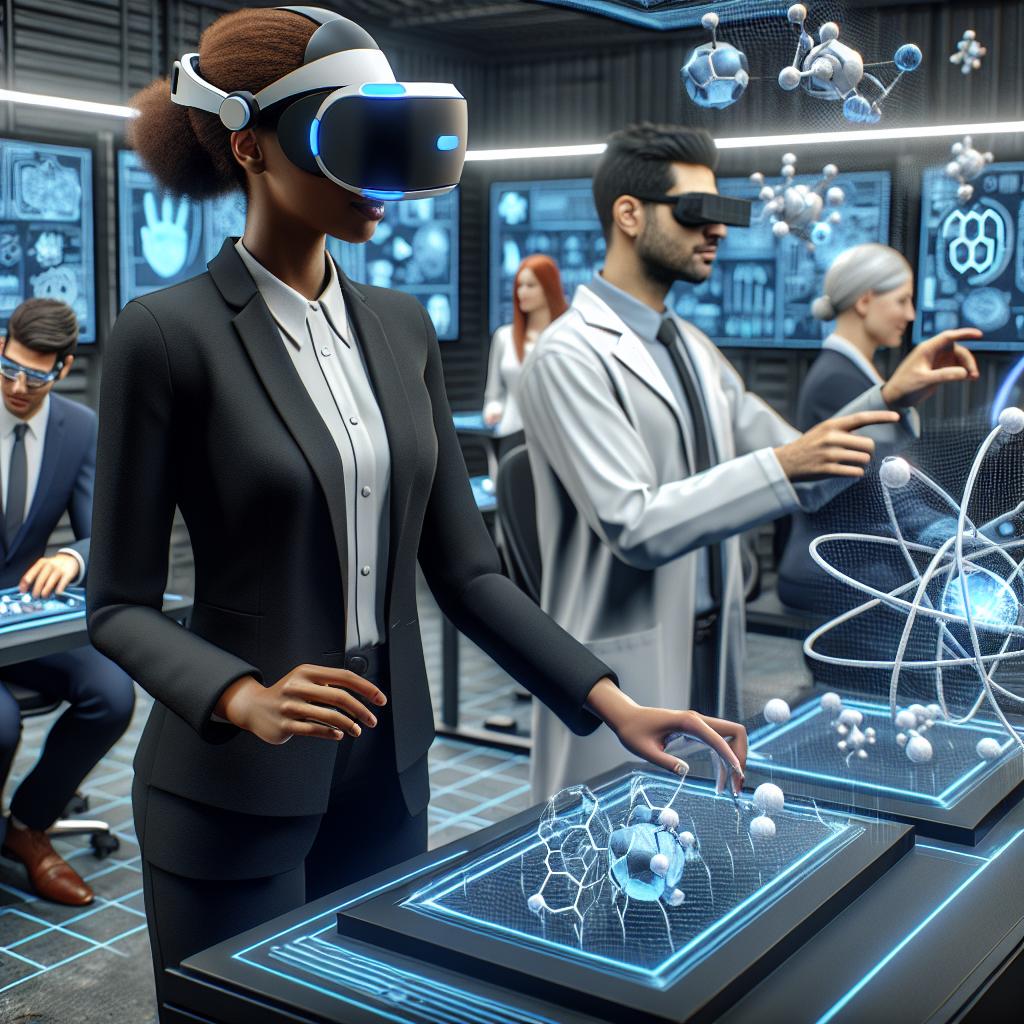
In the quaint rural surroundings of Lexington County, utility worker Larry Nipper dons a pair of white virtual reality goggles and steps into a simulated world. His mission is to address a downed power line safely, using an approach known among linemen as lockout-tagout. Despite being in a relaxed classroom, Nipper experiences training scenarios eerily close to real-life conditions. Welcome to the brave new world of workforce training in South Carolina – a world mediated by virtual and augmented reality (VR and AR).
A New Wave of Skills Training
Several companies and educational institutions across South Carolina are increasingly leveraging VR and AR in workforce development. These technologies are meeting an urgent need for safer, affordable, and effective skills preparing workers mainly in blue-collar sectors.
The increasing adoption of VR training correlates with South Carolina’s ongoing industrial evolution, particularly in advanced manufacturing. Government officials are giving emphasis to workforce training and investing in the state’s technical college system to develop human resources to meet evolving industry challenges.
BMW Plant: Leading the VR Training Revolution
The BMW Plant in Spartanburg is an excellent example of how corporations are integrating technology into training programs. Typically, workers are trained with new procedures and assembly-line processes through an iPhone screen. The device captures real-life scenarios and superposes virtual instructions and tools. This AR approach allows BMW to promptly update and train employees on constantly evolving technologies and processes.
Onboarding with Virtual Reality
Regardless of how sophisticated and affordable VR gets, it’s yet a supplement, not a replacement, for hands-on training. Some experts believe VR technology plays a crucial part in reducing trainee apprehension during onboarding. It delivers the foundational knowledge that empowers workers to be more confident and proficient in their roles.
Midlands Technical College is one of many institutions using VR in training programs. Two programs that use VR simulations include heating, ventilation, and air conditioning (HVAC) systems and heavy equipment operation. These VR training programs save the college resources and allow trainees to make mistakes in a safe environment before operating expensive equipment.
Advantages of VR-based Workforce Training
VR technology has several advantages in workforce training. For one, it expedites training processes. The South Carolina Ports Authority reduced its training period from a year to six months through its simulators. Moreover, with VR technology, training doesn’t have to wait for equipment to be available or repaired.
Targeting the Youths
A blue-lettered semi-truck- “Be Pro Be Proud”- is a familiar sight at high schools across South Carolina. The truck houses VR simulators for various trade and manufacturing processes, introducing students to myriad career paths in these sectors. The drive targets students unsure of their career choices, perhaps convincing some to pursue a career in industry.
Conclusion
As South Carolina continues to attract investments such as the upcoming $2 billion Scout Motors electric vehicle plant in northern Richland County, the urgent question is how to provide adequately trained manpower to meet the job requirements of these industries. The answer lies in harnessing VR and AR technology effectively in workforce training. This approach, complemented by initiatives to encourage younger generations to consider trades, is crucial for South Carolina to become a leader in advanced manufacturing.


Author: STAFF HERE MYRTLE BEACH
The HERE Myrtle Beach Staff Writers are a collaborative team of journalists, editors, and local contributors passionate about delivering accurate, timely information to the Myrtle Beach community. As part of the HEREcity.com Network, which powers over 100 U.S. city sites including HEREcolumbia.com, our staff draws on collective experience in South Carolina journalism to cover everything from business sales and real estate developments to dining deals and community initiatives. Our Expertise and Background Local Roots in Myrtle Beach Our team includes lifelong Myrtle Beach residents and SC natives with deep knowledge of the area’s history, economy, and culture. We’ve covered key events like the recent developments along the Grand Strand, Myrtle Beach’s tourism and hospitality industry, and growth in local education sectors (e.g., Coastal Carolina University programs). Collective Experience With over 50 combined years in journalism, our staff has backgrounds in print, digital media, and community reporting. We prioritize fact-based stories, drawing from sources like the Myrtle Beach Area Chamber of Commerce, city government records, and on-the-ground interviews. Commitment to Quality Every article is a group effort, involving research, editing, and verification to ensure reliability. We adhere to journalistic standards, citing credible sources and updating content as new details emerge.