

Myrtle Beach, December 18, 2025
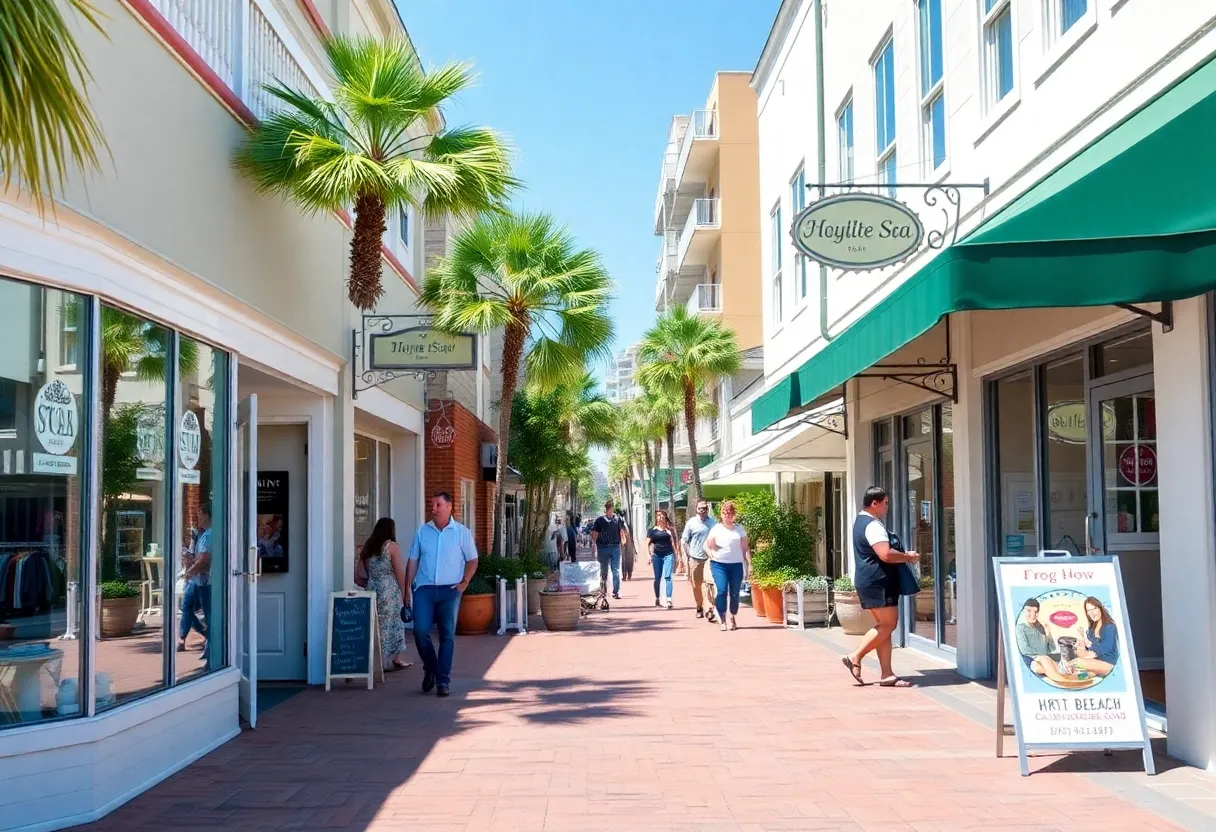
Myrtle Beach’s local economy thrives on a diverse array of small businesses, from boutiques to spas, which contribute significantly to the area’s charm and economic strength. Adhering to health and safety standards is crucial for maintaining consumer trust and fostering a vibrant entrepreneurial environment. Recent regulatory discussions emphasize the balancing act between compliance and business freedom, ensuring that local businesses can innovate while prioritizing public health. As the community supports these ventures, maintaining rigorous sanitary practices is vital for their resilience and success.
Myrtle Beach
Upholding Standards: Essential for Myrtle Beach’s Thriving Small Business and Service Sector
Myrtle Beach, a beacon of entrepreneurial spirit along the Grand Strand, owes much of its vitality to a diverse tapestry of local businesses. From bustling boutiques to serene spas, these ventures are the backbone of our community’s economic strength and charm. Ensuring a vibrant and trustworthy environment for both businesses and consumers is paramount for sustained growth. This commitment to excellence, particularly in health and safety standards, safeguards not just individual well-being but also the collective reputation that allows our local economy to flourish.
The entrepreneurial landscape in Myrtle Beach thrives on innovation and the dedication of small business owners. Many invest their dreams and livelihoods into providing quality services, understanding that their success is intrinsically linked to public trust and adherence to established operational guidelines. This dedication is a testament to personal achievement and the drive that characterizes a robust local economy.
The Foundation of Trust: South Carolina’s Sanitation Framework
In South Carolina, the operation of personal care establishments, including spas and salons, is guided by specific sanitary and safety rules set forth by the Board of Cosmetology. These regulations are designed to provide a clear framework for businesses, ensuring a baseline of safety and hygiene for clients. According to state law, both the holders of salon licenses and the individuals in charge are responsible for implementing and maintaining these sanitary rules within their establishments. All licensed professionals, including nail technicians, are also individually accountable for adhering to applicable sanitary standards.
To ensure compliance, designated representatives of the Board have the authority to access and inspect salon and school premises at any time when cosmetology and related professions are being practiced. Failure to allow an inspection or interference with one can lead to disciplinary action. Similarly, neglecting to observe sanitation rules or to maintain adequate precautionary measures for public protection and safety may result in disciplinary action, potentially including license revocation. State regulations also stipulate requirements such as providing hot and cold running water, maintaining proper toilet facilities, and ensuring potable drinking water. Facilities must keep floors, walls, and furnishings clean and in good repair. Specific protocols cover hand washing, the disposal of porous materials after use, and the disinfection of non-electrical instruments and equipment. These guidelines underscore the importance of maintaining a clean and safe environment for every patron.
Balancing Effective Oversight and Entrepreneurial Freedom
The regulatory environment for the personal care industry is dynamic, with ongoing efforts to ensure regulations remain relevant and effective without placing unnecessary burdens on small businesses. For example, in March 2025, the South Carolina Legislature’s House Regulations, Administrative Procedures, AI, and Cybersecurity Committee discussed adjustments to regulations affecting aestheticians and cosmetologists. While some laundering requirements for protective capes were relaxed after haircuts, the committee emphasized that capes must still be cleaned after chemical services to prevent cross-contamination. This measured approach reflects a commitment to adapting regulations to evolving industry practices, balancing the need for public health and safety with fostering an environment where small businesses can innovate and operate efficiently. Such responsible governance aims to create clear expectations for entrepreneurs, allowing them to focus on providing excellent services while confidently meeting health standards.
The Crucial Role of Health Standards in Consumer Trust
For any small business in Myrtle Beach, particularly those in the service sector like spas, building and maintaining consumer trust is invaluable. Adherence to rigorous health and safety standards is a critical component of this trust. When businesses prioritize the well-being of their clients, they not only meet legal obligations but also enhance their reputation, attracting repeat customers and positive word-of-mouth. This commitment becomes a powerful differentiator in a competitive market.
A strong emphasis on health and safety not only benefits clients but also fosters a positive environment for employees, leading to increased productivity and loyalty. For Myrtle Beach small business owners, proactively integrating safety measures into daily operations is an investment in their long-term success and resilience. The city’s broader economy, heavily reliant on tourism and consumer spending, directly benefits from a reputation for safe and reliable services.
Myrtle Beach’s Enduring Economic Resilience
The beauty and personal care industry is a significant contributor to the national economy, generating billions in revenue annually and providing numerous job opportunities. Most establishments in this sector are locally owned small businesses, reflecting widespread entrepreneurial innovation. While the industry faced challenges during the 2020 pandemic, it has shown remarkable resilience and is projected to see job growth that outpaces the overall economy in the coming years.
Here in Myrtle Beach, the Grand Strand economy is notably resilient. Tourism is a primary driver, with the area consistently demonstrating strength even during national economic downturns. In 2024, the total economic impact of tourism in the Myrtle Beach area was estimated at over $26 billion, with direct visitor spending reaching $13.2 billion. This robust economic activity supports approximately 82,000 jobs in Horry County across various sectors. The success of our local spas, salons, and other service-oriented businesses directly contributes to these impressive figures, highlighting the critical interconnection between individual enterprise and broader economic health.
A Call for Continued Vigilance and Support for Local Businesses
Recent events highlight the importance of diligent adherence to health and safety standards across all service industries. A lawsuit has been filed by a diabetic woman who alleges she suffered a severe foot and leg infection after receiving a pedicure at a Myrtle Beach spa, claiming the spa used contaminated water. While such allegations are serious and underscore the need for constant vigilance, they also serve as a reminder for all businesses to review and reinforce best practices.
For the community of Myrtle Beach, supporting local enterprises means recognizing their vital contribution to our economic fabric. It also means trusting that these businesses operate with the highest standards of care. For business owners, upholding these standards is not just a regulatory necessity but a commitment to the well-being of their patrons and the sustained growth of the Myrtle Beach SC business environment. By working together—consumers choosing responsible businesses, and businesses continuously striving for excellence—we can ensure that Myrtle Beach remains a vibrant, trusted, and economically thriving destination.
Frequently Asked Questions (FAQ)
What are the general sanitation requirements for spas in South Carolina?
In South Carolina, spas and salons must adhere to sanitary and safety rules established by the Board of Cosmetology. These rules cover various aspects, including ensuring hot and cold running water, proper toilet facilities, and potable drinking water. Facilities are also required to maintain clean floors, walls, and furnishings.
Who is responsible for maintaining sanitation rules in South Carolina spas?
Both the salon license holder and the person in charge of the establishment are liable for implementing and maintaining sanitary rules. Additionally, all licensed professionals, such as cosmetologists, instructors, nail technicians, and estheticians, are individually responsible for adhering to the sanitary rules applicable to their services.
Can South Carolina regulatory bodies inspect spas without prior notice?
Yes, representatives designated by the South Carolina Board of Cosmetology have the authority to access and inspect the premises of any salon or school at any time when cosmetology and related professions are being conducted to ensure compliance with laws and regulations. Refusal to permit or interference with an inspection can lead to disciplinary action.
What are the potential consequences for spas that fail to meet sanitation standards in South Carolina?
Failure to observe all rules and regulations on sanitation or to maintain adequate precautionary measures for public protection and safety can be a cause for disciplinary action, which may include the revocation of a license.
What is the economic impact of the beauty and personal care industry?
Nationwide, the beauty industry is an economic powerhouse, generating billions of dollars annually and creating numerous job opportunities. Most businesses in this sector are locally owned small businesses. In the Myrtle Beach area, tourism, which includes personal care services, contributes to an estimated total economic impact of over $26 billion in 2024.
How does consumer confidence impact the Myrtle Beach economy?
The Myrtle Beach economy is significantly dependent on tourism, and consumer confidence directly affects leisure travel and spending. High consumer confidence supports healthy consumer spending, which in turn benefits local businesses and the overall economy.
Key Aspects of Spa Sanitation and Business Impact
| Feature | Description | Scope of Fact |
|---|---|---|
| Sanitary Regulations | Rules for hot/cold water, toilet facilities, potable water, and general cleanliness of premises are mandated. | State-level |
| Licensing and Liability | Salon license holders, persons in charge, and individual licensed professionals are responsible for maintaining sanitary rules. | State-level |
| Inspections | Board representatives can conduct inspections at any time; refusal or interference can lead to disciplinary action. | State-level |
| Disciplinary Actions | Failure to meet sanitation standards or take adequate precautions can result in disciplinary actions, including license revocation. | State-level |
| Regulatory Adaptation | Recent discussions in the South Carolina Legislature demonstrate efforts to adapt regulations while maintaining hygiene standards for the evolving industry. | State-level |
| Importance of Health & Safety for Small Businesses | Adherence to standards is crucial for legal compliance, avoiding fines, enhancing reputation, building customer trust, and improving employee well-being. | Nationwide |
| Economic Impact of Beauty Industry | The beauty industry is a significant economic contributor, generating billions and providing numerous jobs, with most establishments being small, locally owned businesses. | Nationwide |
| Myrtle Beach Economic Resilience | The Myrtle Beach economy is tourism-dependent and has shown resilience, with a total economic impact of over $26 billion and $13.2 billion in direct visitor spending in 2024. | Local |
| Consumer Confidence | Consumer confidence directly impacts tourism and spending, which is vital for Myrtle Beach’s economy. | Local |